Berkshire vicar wins competition to find singers and musicians
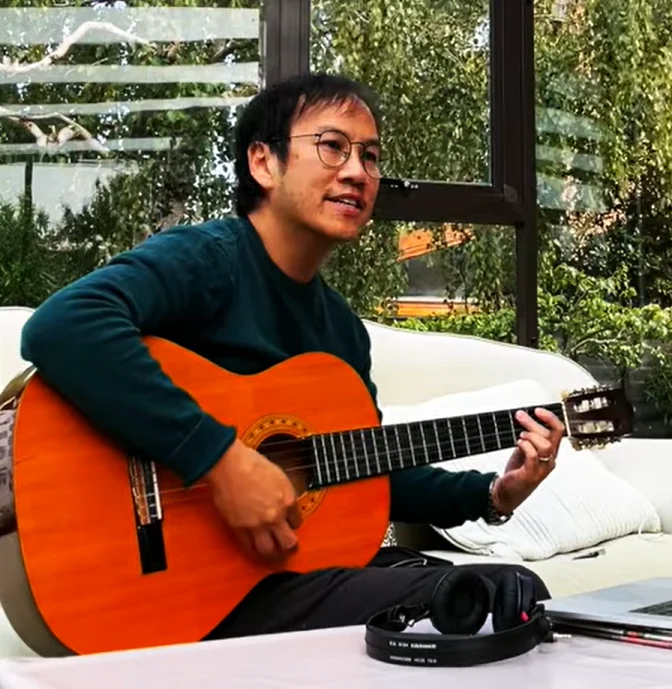
The Revd Mark Nam, vicar of St John the Evangelist in Woodley, was one of two winners of Sounds of the Church.

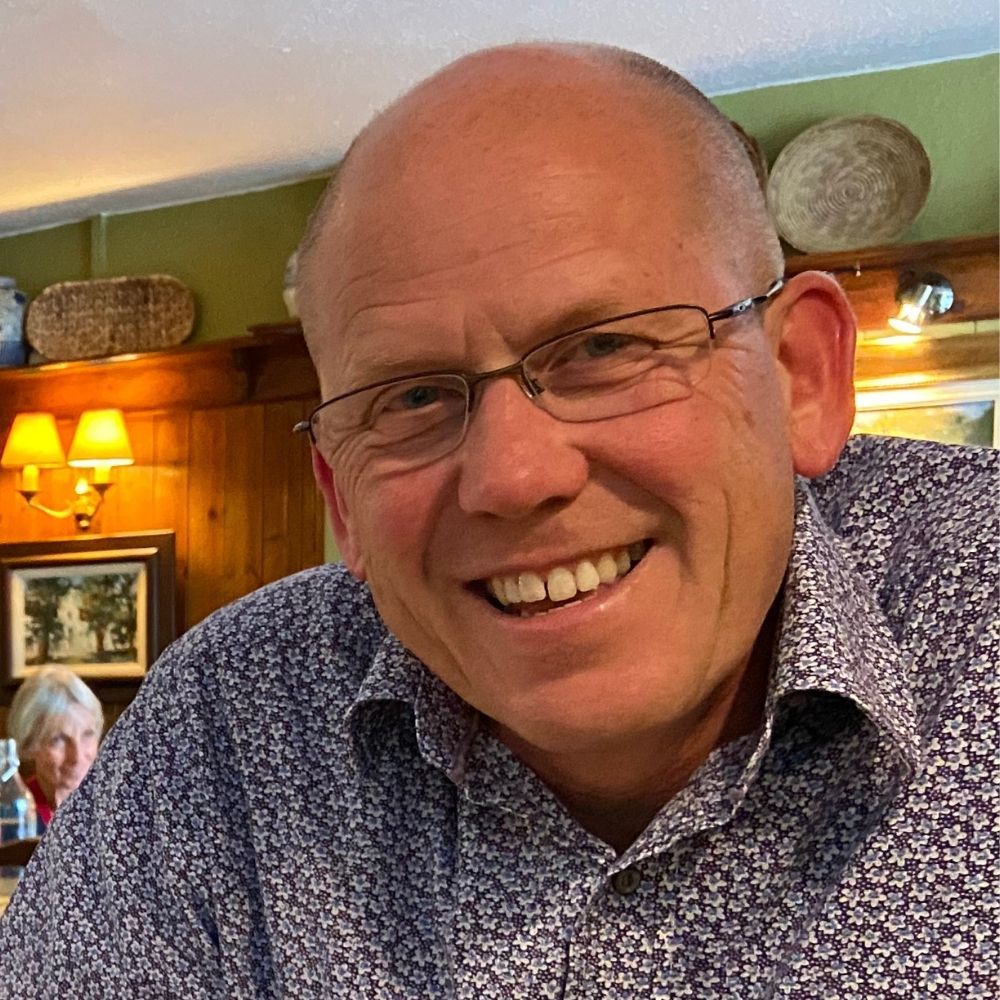
Mark Humphriss, Diocesan Secretary, looks back at his recent sabbatical, which included visits to dioceses across Canada and the UK.
Mark Humphriss, Diocesan Secretary, looks back at his recent sabbatical, which included visits to dioceses across Canada and the UK.
I spent September in Canada, mainly in Toronto, the largest Anglican diocese in the country, but also visited the dioceses of Ottawa and Niagara, and had a day in the national Church offices. This report can inevitably only scratch the surface of some of what I covered.
Gaining a sense of the indigenous ministry across the Church in Canada was fascinating, including the degree to which it is self-determining. The painful legacy of 139 residential schools is strong and was the subject of an exhibition in the Royal Ontario Museum while I was there. Awful abuse took place in these homes, in which the Church was complicit, and I met some survivors of them. Work relating to the indigenous communities is focusing on education, youth engagement and suicide awareness.
The current issues in the Church in Canada are different from our own. One is that more than 5% of Canadian deaths are now by medically assisted dying, raising significant ethical and pastoral issues, with an increasing number wanting clergy to be present at the moment of death. Another is, of course, geography, with churches being so spread out across non-urban areas (most of all in the Arctic).
I was struck by the much greater degree of secularism, which felt a salutary warning. It would be very rare for national or even local media to feature stories of the Church: whilst at times we might welcome this, on balance I’d much prefer the Church still to be regarded as relevant to the nation.
All bishops are elected by clergy and lay people of the diocese(s), even area bishops. Each of the four provinces has its own Provincial Synod. Synods all meet residentially, at most annually and are large – Toronto’s has 600 members and includes all serving clergy.
Parishes are directly responsible for the full costs of their clergy – and in most dioceses the level of stipends varies substantially, and most clergy provide their own accommodation. Variations in churchmanship were less obvious than in England.
After several decades of decline, Toronto diocese has been seeing real increases in attendance over recent years, helped by hybrid ministry. On the latter, I was struck by the two-way engagement in anything given that classification.
Wycliffe College was founded at the same time as our own Wycliffe Hall and it was good to talk with principals about theological training in Canada. Curacies have now become rare in Canada. I was struck by the number of permanent deacons, usually with an outreach ministry.
I met the Primate briefly, who with the General Secretary is leading an exercise further reducing the size of the national offices to about a quarter of the size it was about 20 years ago, and consequently focusing on resources in defined areas, rather than programmes across a wider canvas. The national indigenous archbishop sits alongside the Primate.
My second month was in the UK, starting with visiting Liverpool, Leeds and Sheffield dioceses, understanding the issues facing each and meeting a good range of people, covering their strategic and operational priorities and different patterns of mission and ministry. I later also visited Southwark diocese; and have had various insightful conversations with senior leaders in our national Church offices.
I was particularly keen to visit various parachurch organisations and will have visited six – half based within the diocese (Scripture Union, BRF Ministries and Church Mission Society) and three not (Church Army, CPAS and the Church Urban Fund). It was good to meet in each with the CEO and various members of the senior team and understand current priorities and likely trajectory and how they work, and would like to work, with dioceses and individual churches. I have long been concerned that we only do from Church House what is best done by us, and the work of parachurch organisations is a crucial part of answering this.
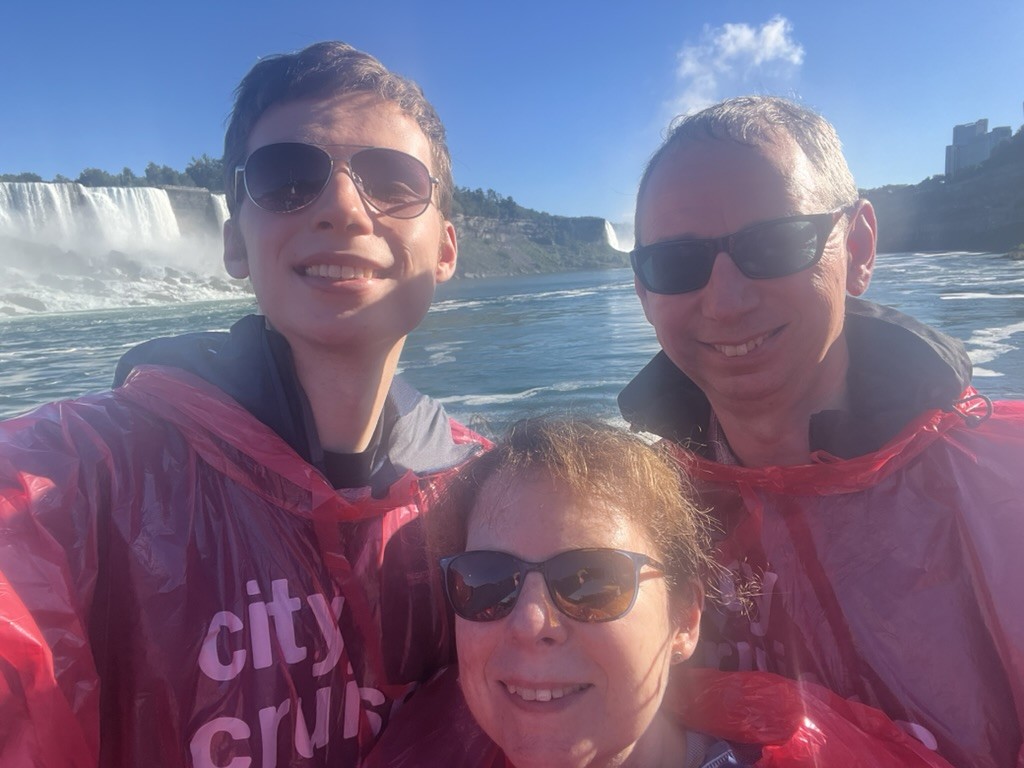
My sabbatical did include good time for sightseeing in Canada (not least the Niagara Falls) and a retreat at the wonderful haven that is Mucknell Abbey.
I am so grateful for the opportunity to have taken the sabbatical, to all those who covered my work (particularly Kim Grosvenor) and for the incredible generosity of all those I visited with their time and hospitality. I have returned enriched by a wonderful range of experiences and delighted to be working in Oxford diocese!
The Revd Mark Nam, vicar of St John the Evangelist in Woodley, was one of two winners of Sounds of the Church.
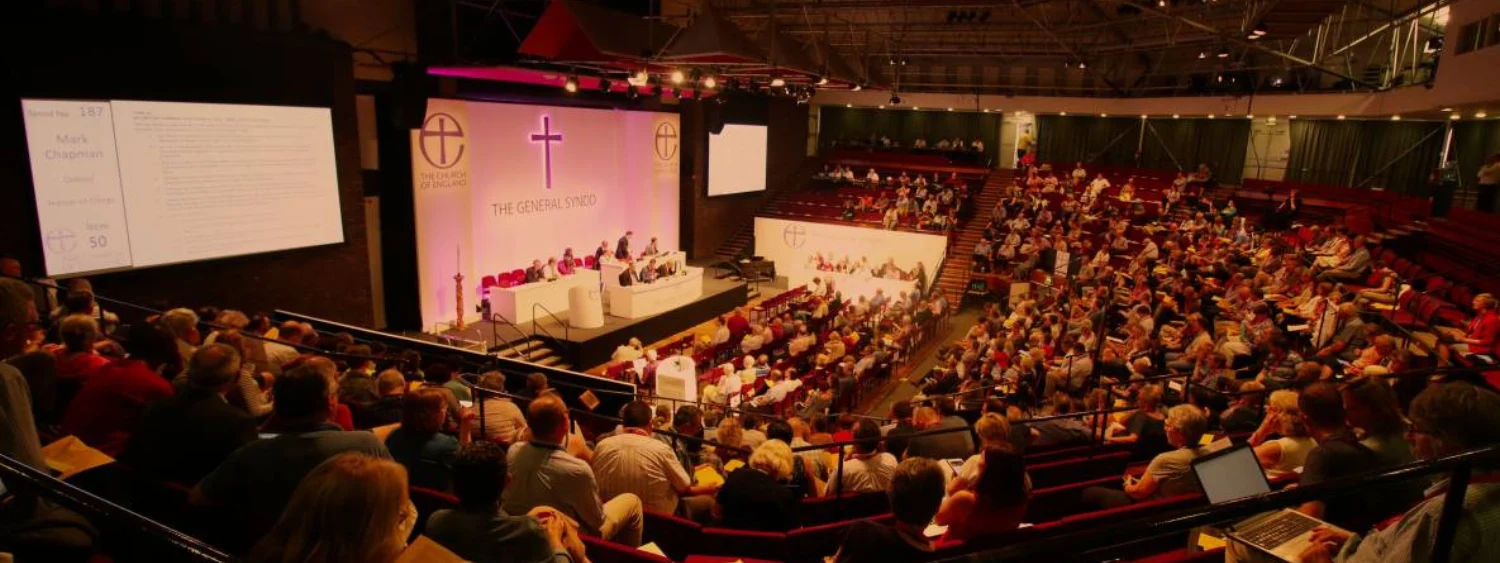
The Diocese of Oxford has elected its representatives to the Church of England's General Synod for the next five years.

Revd James Dwyer finds running helps him reflect and serve his parish better
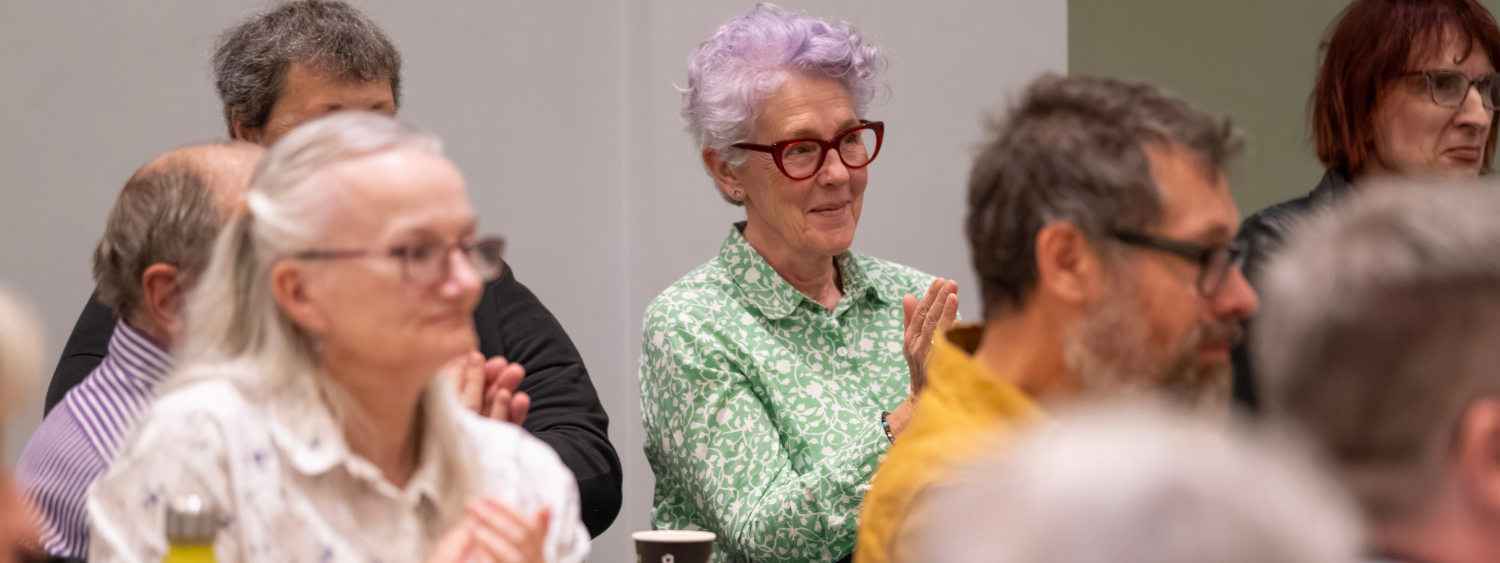
What does it mean to be called by God, and what might God be calling you to next?

The Diocese of Oxford appoints Revd Amy Cavender as Buckingham Area Director of Ordinands
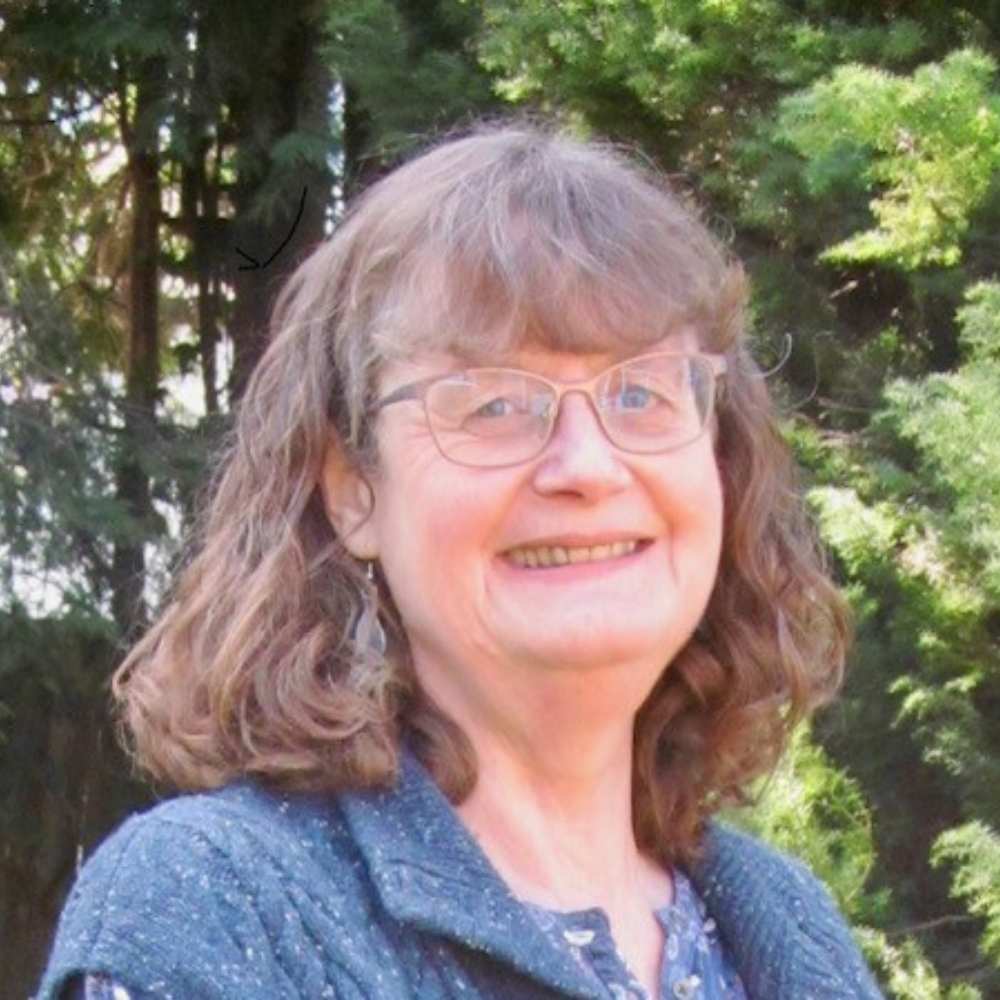
19 new deacons will be ordained at Christ Church Cathedral on 4 July. They will go on to serve their…

The Revd Cassa Messervy began her new role as the new Archdeacon of Buckingham on 1 March 2026. Her service of collation took place…
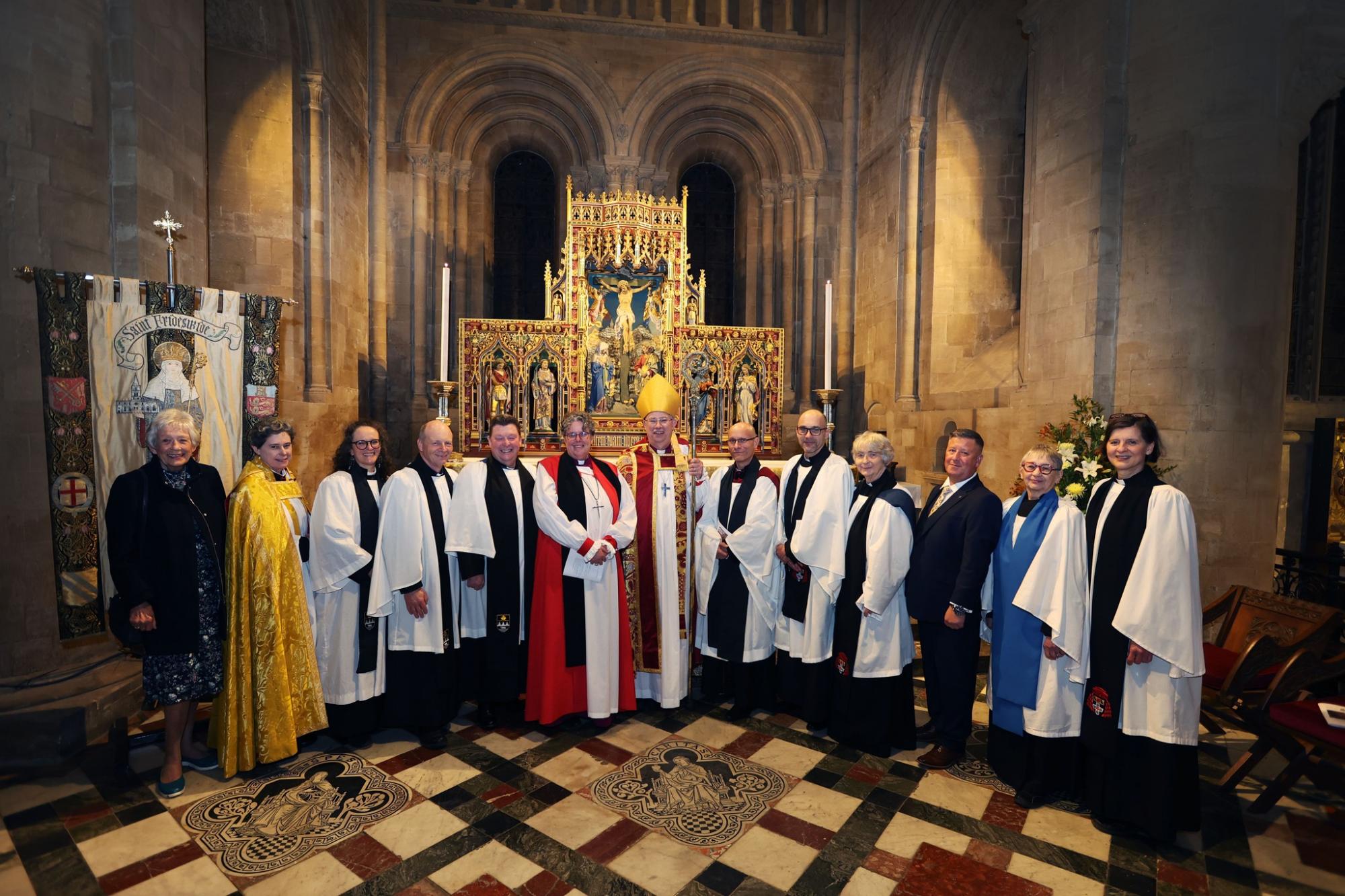
On Saturday 31 January 2026 eight people were made honorary canons and three candidates were admitted to the Order of St Frideswide during Evensong at…
Andrew Bickley will become the next Independent Chair of the Diocese of Oxford Safeguarding Panel. He comes with a wealth…

The Revd Canon William Whyte will become the next chair of the Diocese of Oxford Diocesan Advisory Committee for the…