
Low-Income Communities
The Oxford LInC Network affirms, celebrates and resources ministry in low-income communities.
Affirming, celebrating and resourcing ministry in low-income communities
The Oxford Low-Income Communities (LInC) Network exists to affirm, celebrate, and resource all those serving in low-income communities across the Diocese of Oxford.
Jump to… Events | Join the Network | Our aims
We support clergy, lay leaders, pioneers, and ministry teams whose calling is rooted in places shaped by economic hardship, social inequality, and complex community challenges. These include traditional social housing estates, areas of private rented accommodation, and neighbourhoods where low incomes, insecure work, or reliance on benefits are part of daily life. The diocese stands firmly behind those ministering in these contexts. Through the LInC Network, we work to ensure that churches serving these communities are valued, supported, and prioritised within diocesan life.
By listening carefully, sharing learning, and building strong connections, the LInC Network offers:
- Peer support and encouragement for practitioners;
- Access to practical resources, training, and funding opportunities;
- Space for theological reflection on poverty, justice, evangelism, and hope;
- A collective voice to influence diocesan strategy and resourcing.
We believe ministry in low-income communities is central to the life and mission of the Church. Together, we seek to nurture hope, dignity, and flourishing, enabling communities to thrive.
Sign up to join the Oxford LInC Network
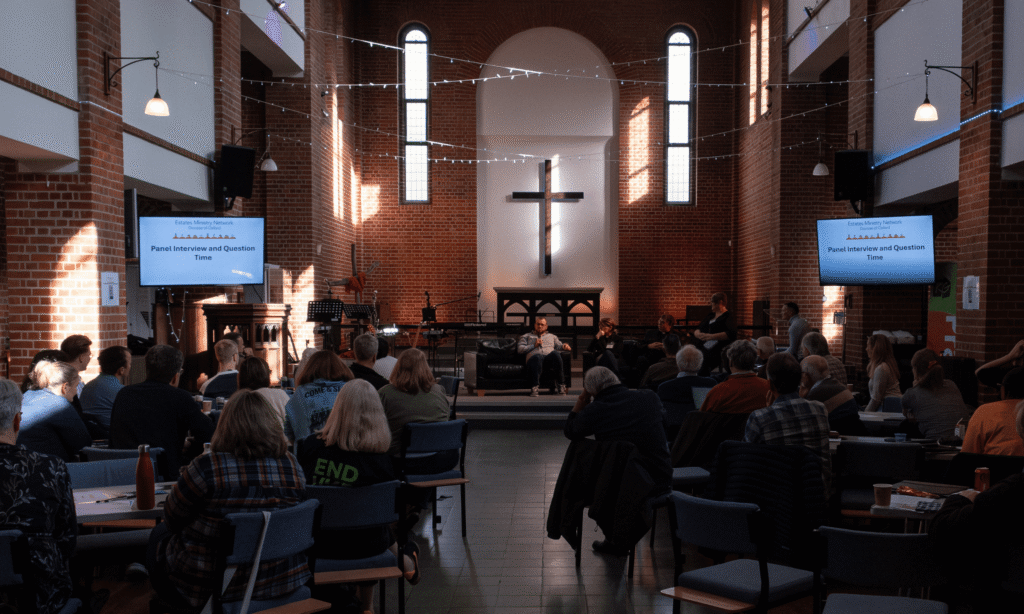
Oxford Diocese Low-Income Communities (LInC) Ministry Conference
Join us for this year’s Network Conference 22 October 2026, 10am – 4pm at Reading Gateway Church, South Reading, RG2 8DE.
The Oxford Diocese Low Income Communities (LInC) Network Conference is a day of inspiration, encouragement and practical learning for anyone passionate about serving in and alongside low-income communities.
Open to clergy, lay leaders, ministry teams, volunteers, pioneers, and children, youth and families workers, the conference will explore mission, discipleship, justice and community transformation in areas of deprivation. It’s an opportunity to learn from experienced practitioners, hear stories of hope and connect with others from across the Diocese who share a heart for seeing God’s Kingdom flourish in social housing estates and low-income neighbourhoods. A free lunch is provided as part of the day.
Keynote speakers
- The Rt Revd Mary Gregory, Bishop of Reading
The Nazareth Manifesto: Exploring Jesus’ declaration of “good news to the poor” and its implications for the Church’s mission and ministry today. - Revd Dr Cris Rogers, Church planter in East London, urban theologian, artist, maker, and Star Wars enthusiast
Who Is in Your Parish?: Understanding the culture, strengths, and challenges of low-income communities. - Rev Preb Helen Shannon, Church of England priest, estates practitioner, and church planter based in North London
Relocators and Remainers: Reflecting on the different journeys of those called to live and serve in low-income communities. - Revd Ben Woodfield, Leader of New Life Church, Bolton, and part of Every Life UK
Stories of Hope and Transformation: Inspiration and learning from churches and communities serving in areas of economic disadvantage.
Find out more and book on Eventbrite
Understanding and responding to Christian nationalism
12 Jan 2027 at Church House Oxford
How might churches respond to polarised politics, culture wars, or nationalist narratives? Join a half-day session to unpack some of the theology and ideology behind Christian Nationalism, that will help churches and leaders to recognise its influence, understand its theological roots, and navigate challenging conversations with confidence, wisdom, and compassion. This session will include space to consider your own context, and how you can strengthen healthy discipleship, rooted in the gospel and committed to the flourishing of all.
This learning event is hosted by the Social Justice (Discipleship) Team, with CMD.
Led by the Revd Dr Helen Paynter: Executive Director of the Centre for the Study of the Bible and Violence. An Old Testament scholar by training, Helen works on the interpretation of biblical violence, and the weaponisation of the Bible in a violent world. Since 2022 she has been leading a project looking at the use of Scripture and Christian imagery by far-right groups and has authored and edited several books on this issue.
Lunch is provided.
Get involved
If low-income communities are part of your ministry context, or you have a heart for this ministry, we would love you to be part of the Oxford LInC Network. Join us to connect with others, share learning, access support and resources, and help shape how the diocese listens to and invests in ministry among low-income communities.
To receive updates about LInC gatherings, training, resources, and what’s coming up, please sign up to join the Oxford LInC Network. We’ll only use your details to send LInC Network updates, and you can unsubscribe at any time.
Meet the LInC Task Group
If you would like to speak to someone, please feel free to contact one of the Team.
- Revd Canon Paul Cowan – Associate Archdeacon of Berkshire: paul.cowan@oxford.anglican.org
- Revd Nick Hill – Reading Gateway Church: nickhill@readinggateway.church
- Revd Paul Walker – All Saints Church Dedworth: revpaulwalker@icloud.com
- Revd David Whale – Chenies Benefice: rector@cheniesbenefice.org
Purpose and aims
To strengthen mission and ministry in low-income communities across the Diocese of Oxford by supporting practitioners, sharing best practice, shaping diocesan strategy, and advocating for the resources needed for the Church to flourish in the poorest areas.
1. Support, listening, learning and sharing practice
- Provide a supportive network for clergy, lay ministers, and practitioners.
- Share learning on what works, what hasn’t, and why.
- Connect with partner agencies engaged in low-income communities ministry.
2. Understanding context and identifying need
- Map areas experiencing significant deprivation across the diocese.
- Understand local challenges and opportunities, including housing patterns, income levels, and community dynamics.
- Identify structural and cultural barriers to effective local ministry.
3. Advocacy and influencing strategy
- Advocate for diocesan and national policies that prioritise ministry in low-income communities.
- Highlight areas needing change e.g. resourcing frameworks, training pathways, LICF equivalent funding, and ministry models.
- Encourage long-term diocesan commitment to these communities.
4. Resourcing and developing ministry
- Share practical resources, training pathways, and funding opportunities.
- Build a directory of supportive agencies and mission partners.
- Promote wellbeing and sustainability for ministers serving in demanding contexts.
- Encourage theological reflection on poverty, justice, evangelism, and community engagement.
5. Growing leaders contextual discipleship
- Support leadership development within low-income communities.
- Encourage vocational exploration and accessible training routes.
- Share practice in education, pioneering, detached youth work, and children & families ministry.
The Oxford LinC Network seeks to ensure that churches serving low-income and estate communities are prioritised, valued, and well-resourced, and that their practitioners are supported, equipped, encouraged, and heard.