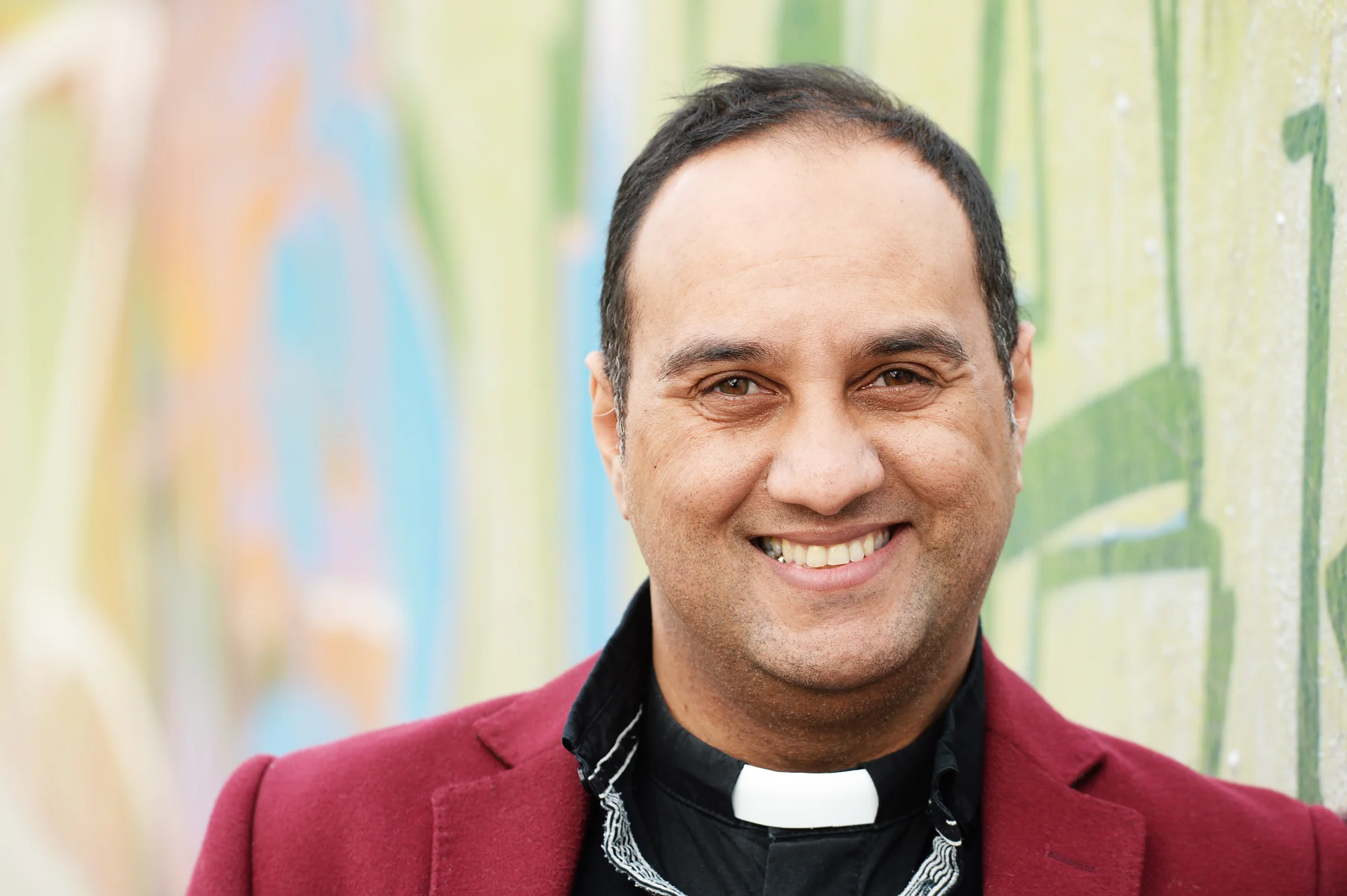
‘I wish we didn’t have Black History Month’
During Black History Month, the Revd Peterson Feital reflects on why the Church still needs to talk about race, belonging and the contributions of Black and Brown clergy.

Church leaders and volunteers gathered to explore how churches can recognise and nurture the gifts present in the communities they serve.
Church leaders and volunteers from across the Diocese of Oxford gathered in Reading for a day of encouragement, learning and worship, exploring how churches can recognise and nurture the gifts present in the communities they serve.
The Low-Income Communities (LInC) Network Conference took place at Reading Gateway Church on Thursday 22 October, bringing together people involved in ministry in estates, rural communities and other areas experiencing economic disadvantage.
The day was hosted by the Revd Nick Hill, Rector of Gateway Church, and the Revd Canon Paul Cowan, Associate Archdeacon of Oxford, who co-chair the network.
Opening the conference, Paul reflected on the network’s broader focus, recognising that deprivation is not confined to traditional council estates. Many churches serve communities with significant pockets of poverty which may be less immediately visible, particularly in rural and mixed-income areas.
Following worship led by Rachel Jeremiah from Gateway Church, the Bishop of Reading, the Rt Revd Mary Gregory, offered a reflection on Jesus’ ‘Nazareth manifesto’ in Luke 4:16–21.
Bishop Mary thanked those working in these communities, acknowledging that ministry can be costly and sometimes feel undervalued.
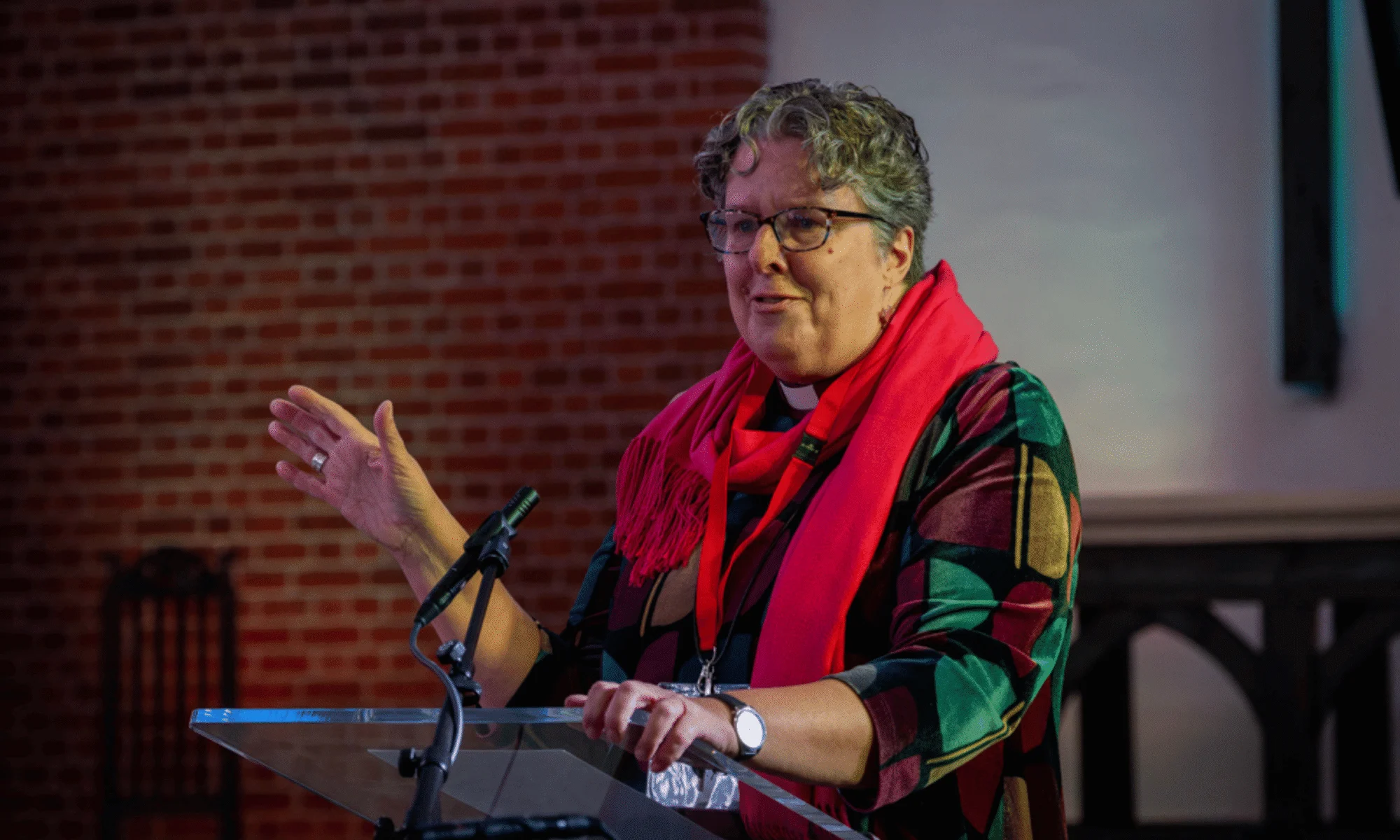
“As you do this work, you are where Jesus is and you are working in partnership with him.”
She encouraged churches to recognise the people in their communities as the treasures of the Church, and to embrace the importance of ‘slow ministry’, making time to build relationships, listen and notice where God is already at work.
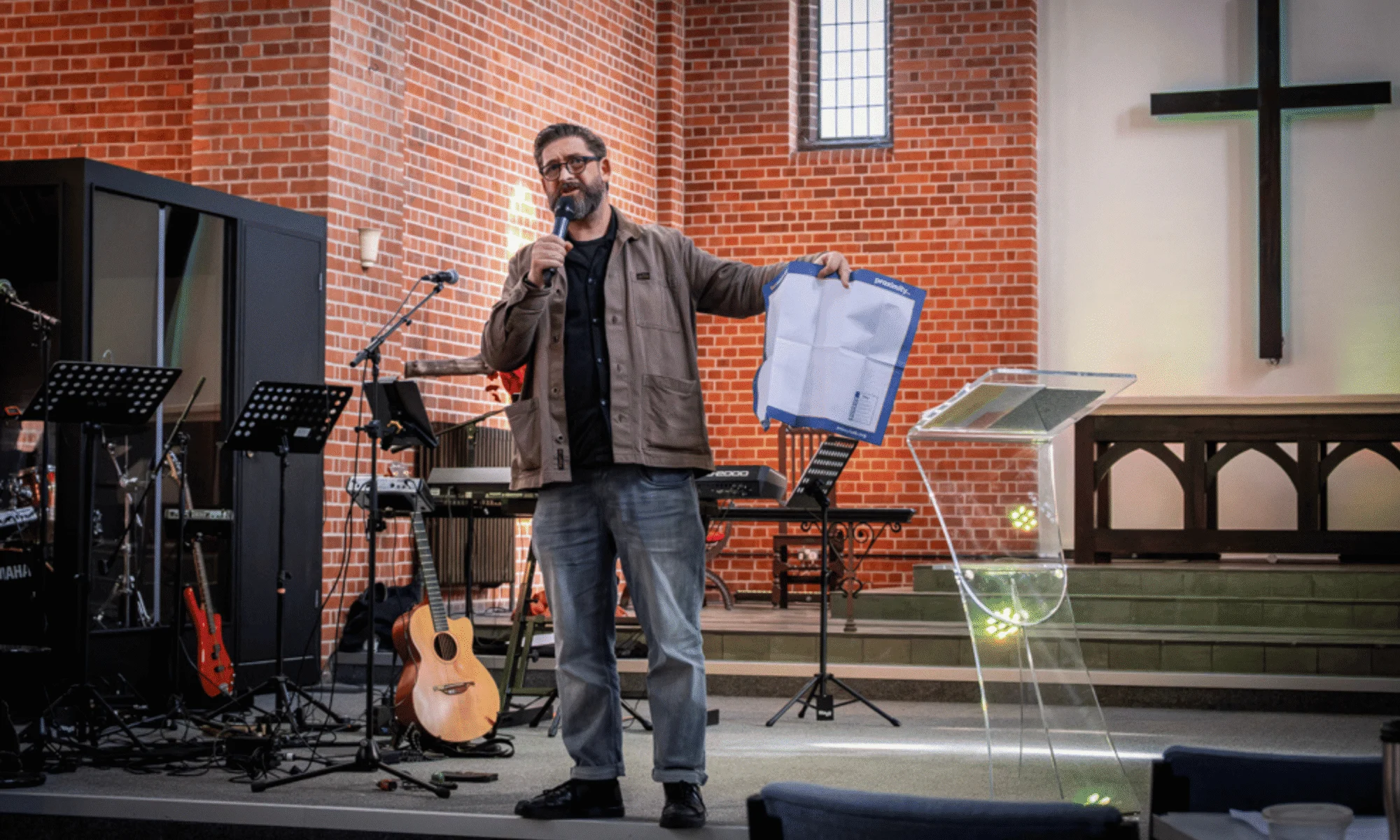
Cris Rogers, Director of Mission in Birmingham Diocese, drew on his own upbringing on a council estate to challenge some of the assumptions and language used about communities experiencing economic disadvantage.
Referencing his book Positive Urban Theology, Cris explored the different ways people understand community, relationships, success and belonging. He highlighted how trust, reputation, loyalty and sharing resources can be particularly important in working-class communities, and how churches risk overlooking these strengths when they focus primarily on deprivation or need.
He encouraged delegates – and those helping lead the network – to consider the language they use, asking whether terms such as ‘low-income communities’ can unintentionally define people by their financial circumstances rather than the wealth of gifts, skills and relationships they bring.
Drawing on a story from his grandfather, a miner, Cris spoke about seeing diamonds where others might only see coal, encouraging churches to view their communities through the eyes of the Kingdom of God.
He also emphasised the importance of understanding local stories and culture before seeking to bring about change. Trust and authority must be earned, he explained, and churches should work alongside local people rather than imposing solutions upon them.
Andy Milne from Church Army shared practical experiences of reaching young people beyond church buildings and building relationships with those who may have little previous connection with church.
He described how a youth group had been transformed when young people were invited to help set up and take responsibility for their meeting space. What began as a practical response to volunteers running late became an opportunity for young people to develop pride and ownership in something they had helped create.
Andy encouraged churches to begin by finding out where young people already gather, building trusted relationships and creating opportunities for them to shape activities themselves. He also introduced Church Army’s Xplore resource, designed to help churches take their first steps in reaching young people and talking with them about Jesus.
Helen Shannon, an estates practitioner and church planter with the Gregory Centre for Church Multiplication (CCX), spoke about the importance of recognising and developing leaders from within communities.
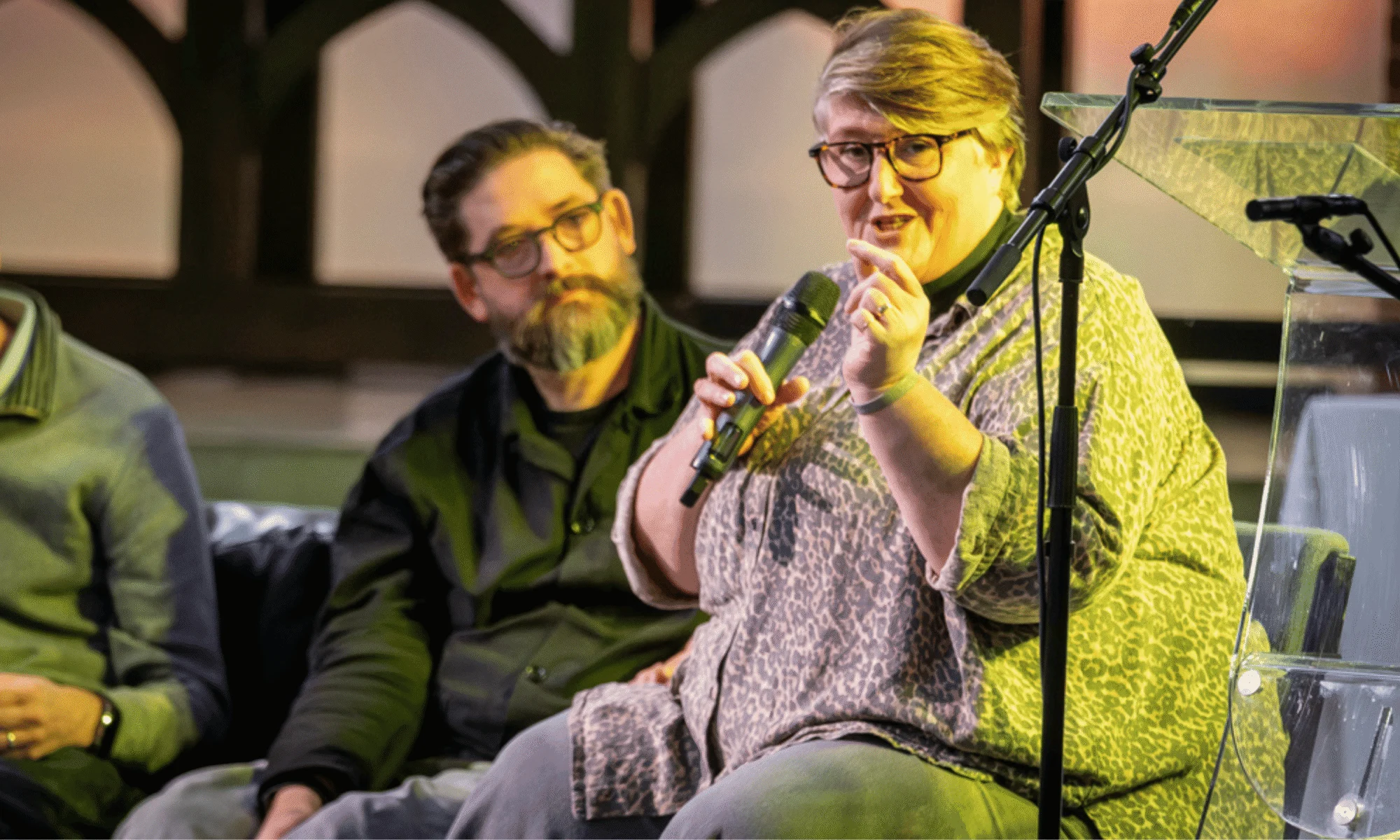
Drawing on her own journey from growing up on an estate to becoming a priest, Helen reflected on the people who had recognised her gifts and potential, even when her life was complicated.
She challenged churches to consider why they want to develop local leaders: simply to fill gaps in church rotas, or because they genuinely want people to grow into their God-given gifts and calling?
Helen explained that developing leaders requires time, perseverance and a willingness to take risks. Often, leadership is ‘caught, not taught’, with people learning by working alongside others, trying things for themselves and receiving encouragement and support.
She also encouraged churches to value what they already have rather than comparing themselves with larger congregations.
Using the analogy that tangerines are not oranges that have failed to grow, Helen suggested that smaller churches can offer distinctive opportunities for relationships, participation and leadership.
She highlighted CCX’s Become training and Estates Apprenticeship Scheme as ways of supporting local people to grow in confidence and leadership.
A panel discussion with Bishop Mary, Cris Rogers, Helen Shannon, Andy Milne and Ben Woodfield explored questions from delegates, including the pressures of limited funding, volunteers, administration and clergy wellbeing.
Acknowledging the challenges faced by many churches, Cris offered encouragement to those who may feel their work goes unseen.
“Friends, you’re doing an amazing job. We’re doing it for the work of the kingdom, and it is noticed and it is seen. Don’t give up.”
Bishop Mary echoed these concerns, emphasising the importance of rest and wellbeing for clergy and lay leaders, and reminding delegates that their first vocation is as children of God.
The panel also returned to the importance of language, recognising the need to describe economic challenges without allowing those descriptions to become labels that define people or communities.
Ben Woodfield, leader of New Life Church in Bolton and part of Every Life UK, brought the keynote sessions to a close with a reflection on ‘fruitful labour’, drawing on Philippians 1.
Sharing stories from his experience of planting 14 churches on estates, Ben spoke openly about both the joy of seeing lives transformed and the disappointment of initiatives that had not succeeded. Four of those church plants had failed, he explained, but failure must be something churches are willing to acknowledge and learn from if they are serious about pioneering new forms of ministry.
He recalled the early days of his first church plant, when just eight people met together in a house for 18 months before beginning public worship. Even then, the congregation remained at eight for another year.
Over time, people began to come to faith, including a man struggling with addiction whose encounter with Jesus marked the beginning of a significant change in his life. The congregation eventually grew to around 70 people, most of whom were new Christians.
Ben encouraged delegates to recognise that ministry can feel both fruitful and exhausting, sometimes at the same time. He also shared the painful experience of seeing someone come to faith and subsequently die, reflecting on the importance of bringing the disappointments and grief of ministry to God.
He challenged churches not to measure faithfulness solely through numbers or visible results, reminding delegates that the Bible speaks of being ‘good and faithful’ rather than ‘good and successful’.
Drawing on 1 Corinthians 15, Ben concluded with the encouragement that labour undertaken in the Lord’s name is never in vain:
Therefore, my beloved, be steadfast, immovable, always excelling in the work of the Lord, because you know that in the Lord your labour is not in vain.
Throughout the day, delegates had opportunities to reflect together, share experiences and connect with organisations supporting ministry in their communities, including Church Army, CCX, Christians Against Poverty, Proximity, Kids Matter, Torch and Reading Pantries.
The conference concluded with worship and Holy Communion, led by Revd Nick Hill, offering space for prayer, reflection and renewal.
Bishop Mary anointed delegates with oil as they were commissioned to return to their communities, with wristbands given as a reminder of the day.
The closing prayer echoed a theme running throughout the conference: that churches might become places where strangers become neighbours, recognising and joining in with the work God is already doing in their communities.
The Oxford Low-Income Communities (LInC) Network exists to affirm, celebrate, and resource all those serving in low-income communities across the Diocese of Oxford. Find out more about the network and sign up to the mailing list.
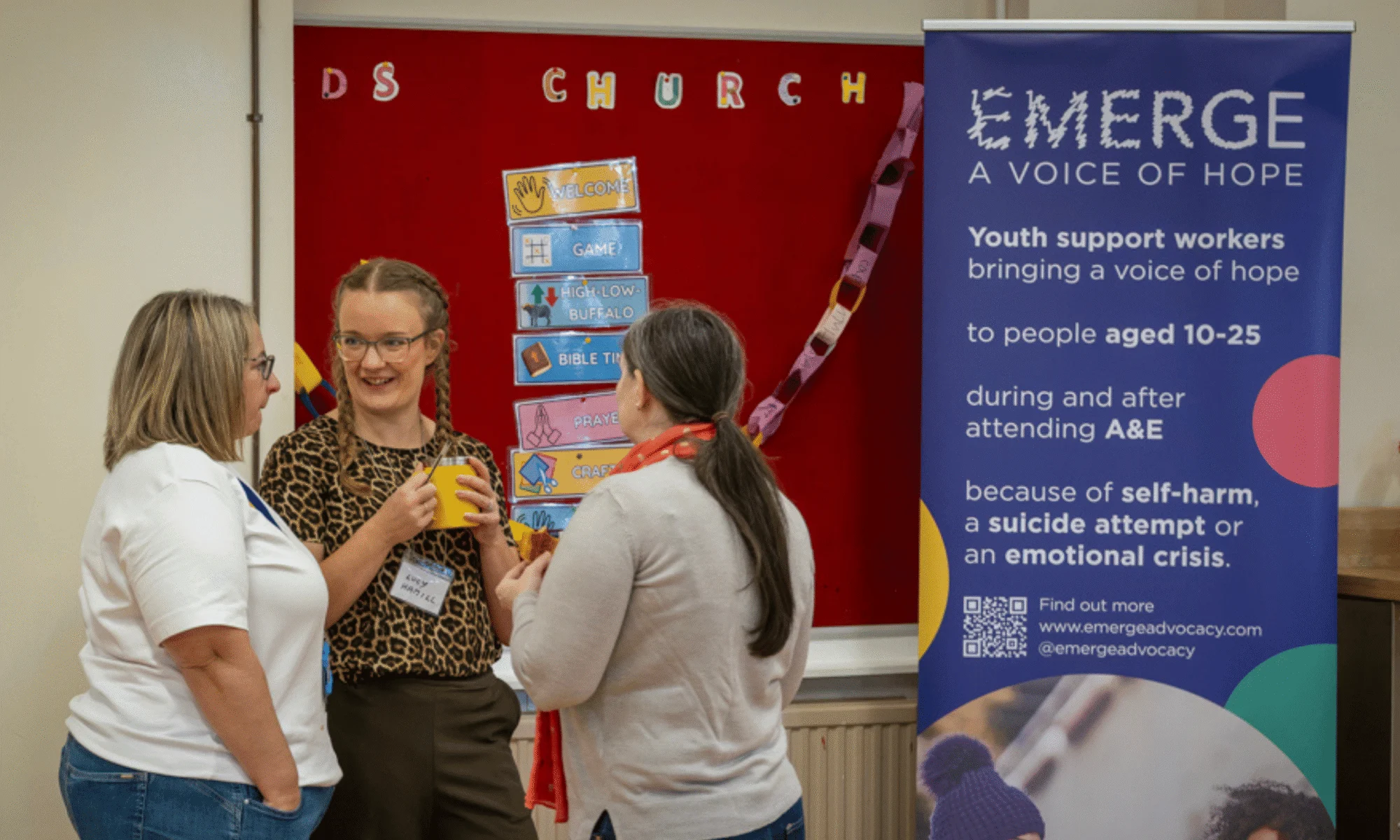
During Black History Month, the Revd Peterson Feital reflects on why the Church still needs to talk about race, belonging and the contributions of Black and Brown clergy.
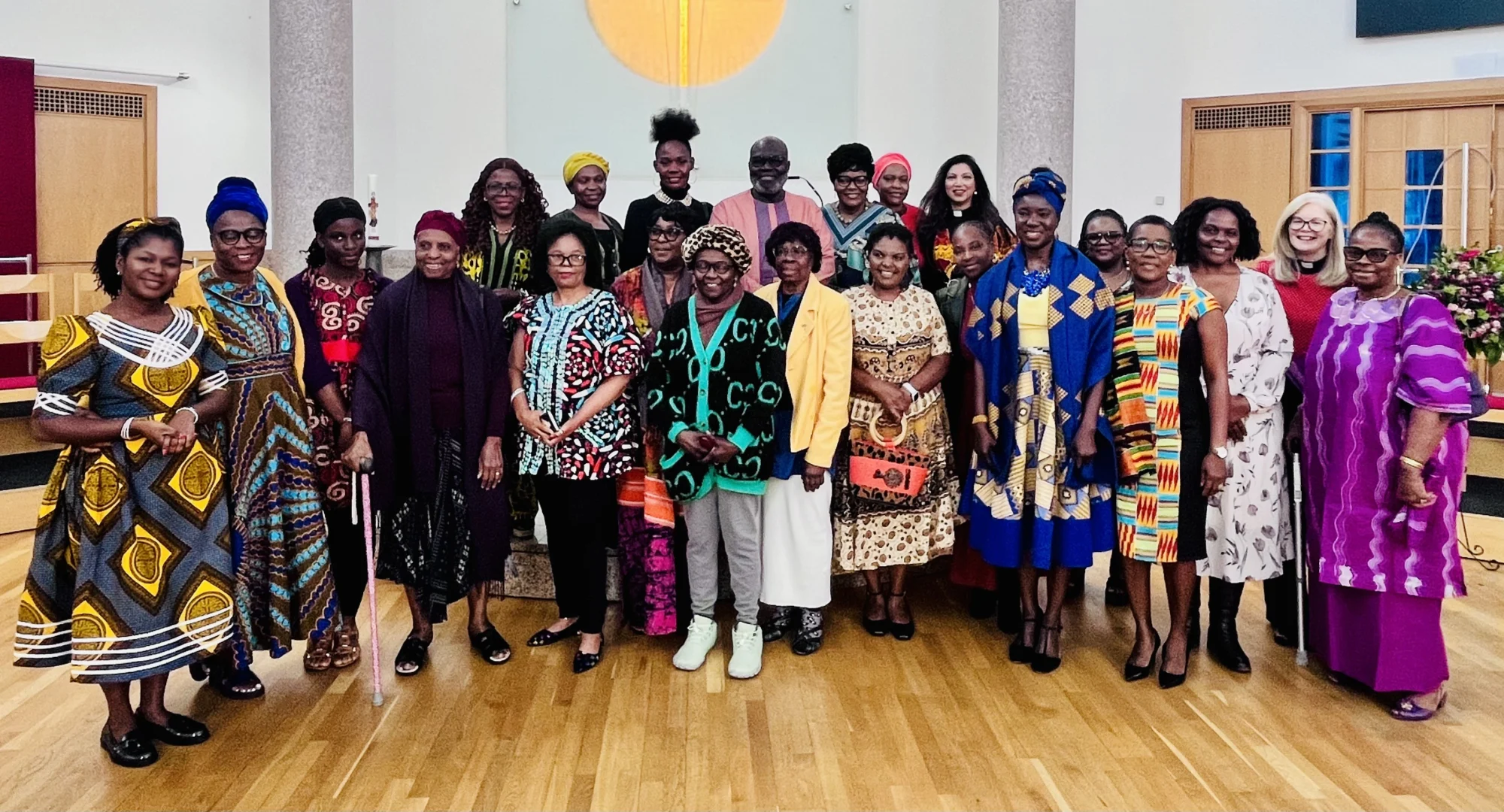
Event at Christ the Cornerstone Church celebrates African culture as part of Black History Month.
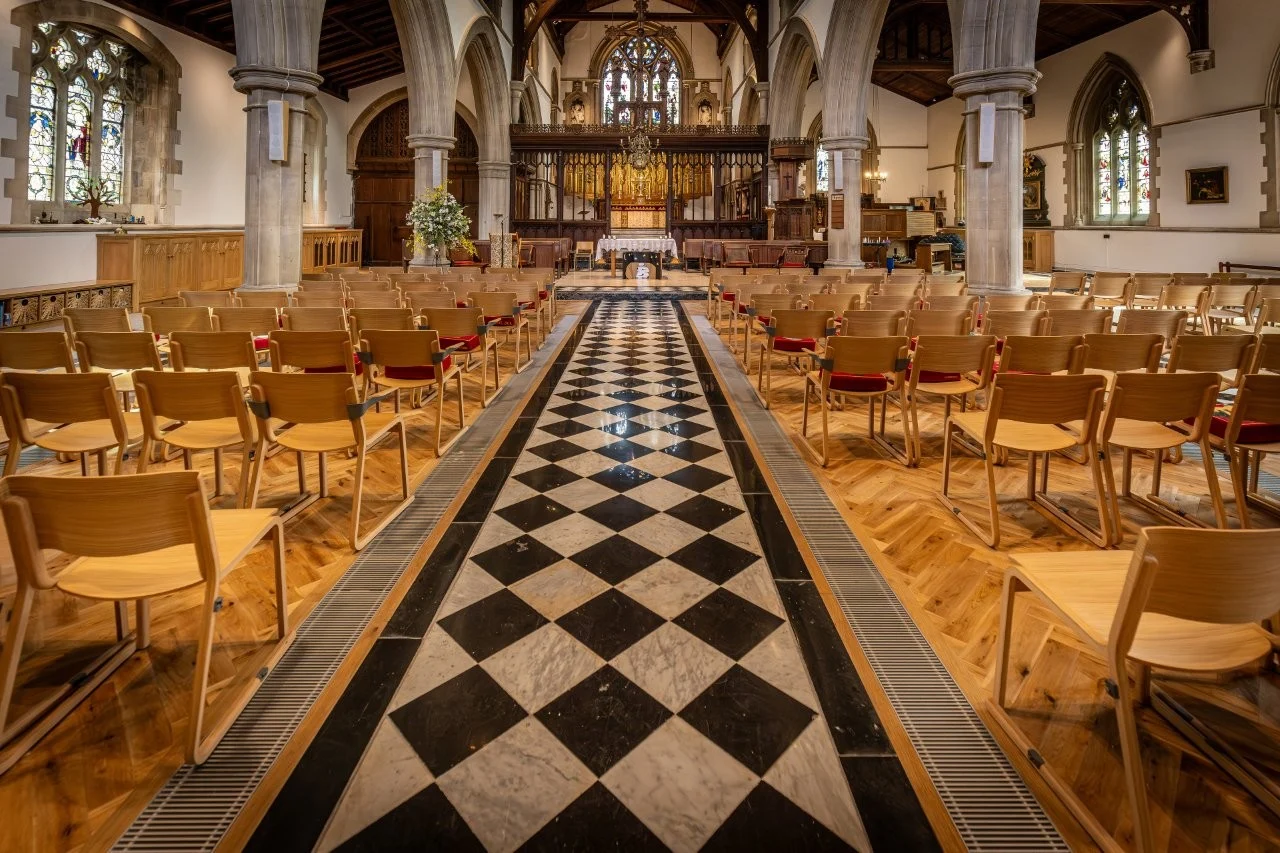
St Margaret’s Church in North Oxford is one of the finalists in the Oxford Preservation Trust Awards.

The Revd Mark Nam, vicar of St John the Evangelist in Woodley, was one of two winners of Sounds of the Church.

Revd James Dwyer finds running helps him reflect and serve his parish better
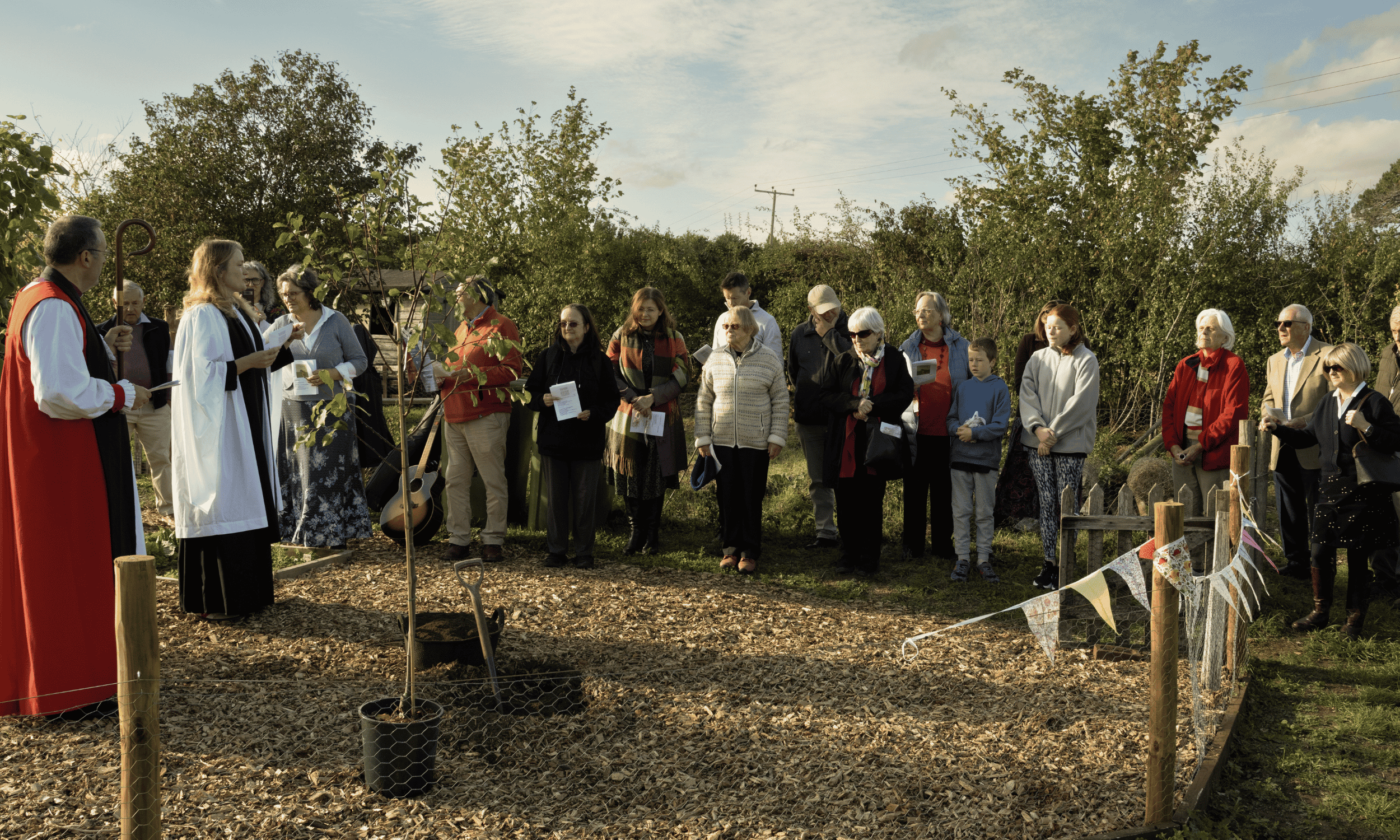
Bishop Gavin dedicates space that was created with help from diocese's Development Fund.
A vicar's challenge helped a congregation welcome 75 non-church members to services

The Oxford church where C.S. Lewis is buried is to host a weekend festival celebrating the author's enduring influence.

The Acting Bishop of Oxford spoke on Wednesday at a service to remember the events of 7 October 2023.

Former Archdeacon of Berkshire, the Ven Canon Norman Russell, has died aged 84.