Remembering the fallen
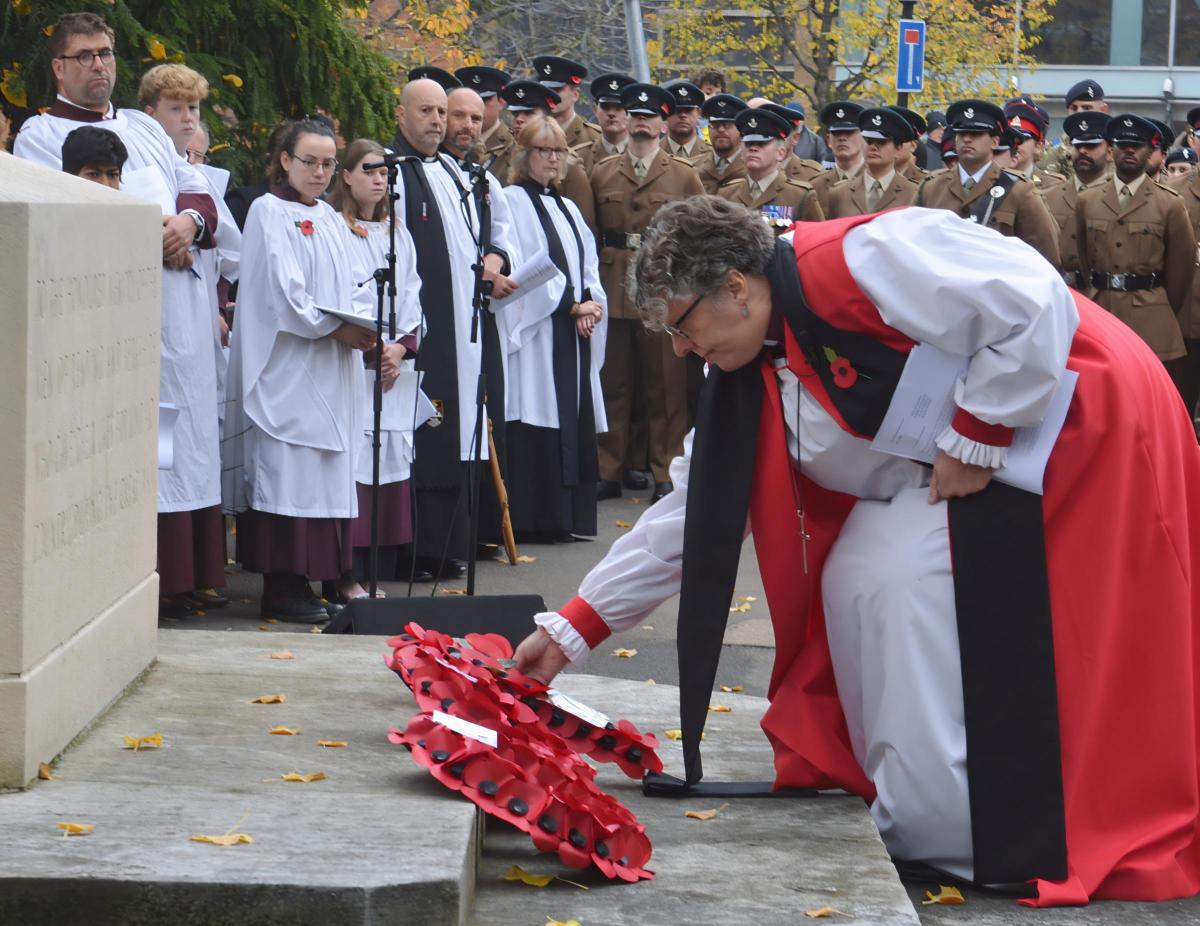
Today, our three bishops gathered with people across the diocese to remember the fallen and all whose lives have been damaged by conflict.

Berkshire vicar on why her church's actions in the strange case of the burger van urn should be celebrated.
We talk to Berkshire vicar the Revd Gail Minter about why her church’s actions in the strange case of the urn left at a Newbury Racecourse burger van should be celebrated in an age of widespread indifference.
There are some pastoral situations for which theological college prepares you rather well – funerals, baptisms, the general demands of ministry and even the debate over whether the church hall thermostat should be adjusted. Then there are the situations for which no training manual exists.
The unexpected appearance of an urn, apparently containing the ashes of a man called Gary Bonsor, abandoned on the counter of a burger van at Newbury Racecourse, would appear to belong firmly in the latter category.
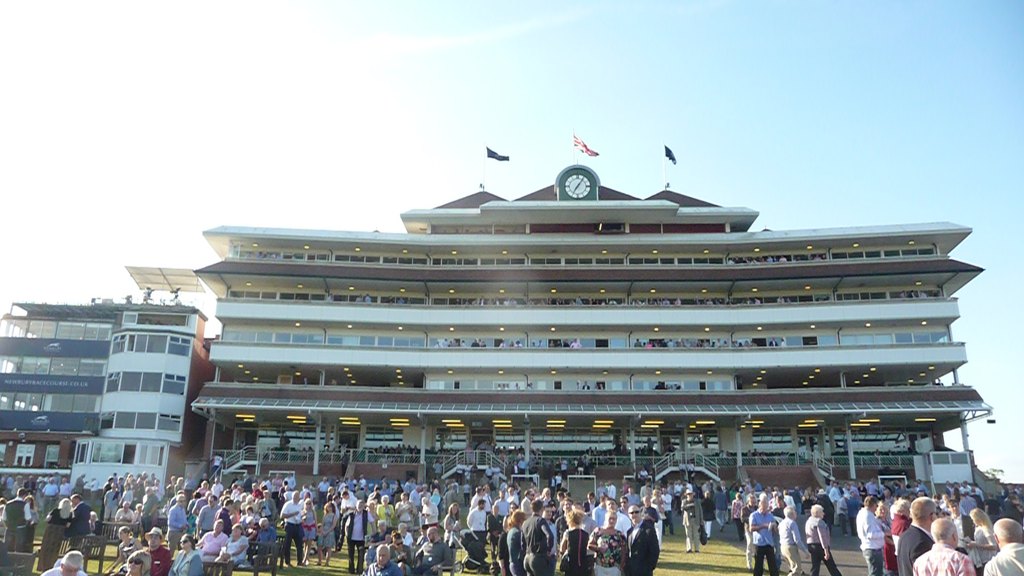
In the summer of 2025, racegoers at Newbury were busy enjoying the day. Around them, staff kept a watchful eye on a long list of prohibited items. Visitors were not permitted to bring glass containers, picnics, drones, balloons, flags, klaxons, garden furniture, laser pens, or anything that might reasonably be described as offensive.
However, there was no specific prohibition against bringing an urn of human ashes.
When precisely such an item was discovered sitting beside the ketchup and mustard, staff understandably took the matter seriously.
Attached to the urn were two labels. One read simply: “RIP GARY BONSOR.” The other carried the moving inscription: “MY DAD, MY HERO.”
What followed was an effort by numerous people to reunite a deceased gentleman with his family.
Racecourse staff checked ticket records. Potential leads were followed. Police became involved.
Crematoria were contacted. Enquiries were made with possible family. Nobody came forward. The identity of Gary Bonsor remained a mystery.
Eventually the urn found its way via Thames Valley Police to St Mary’s Church in Greenham.
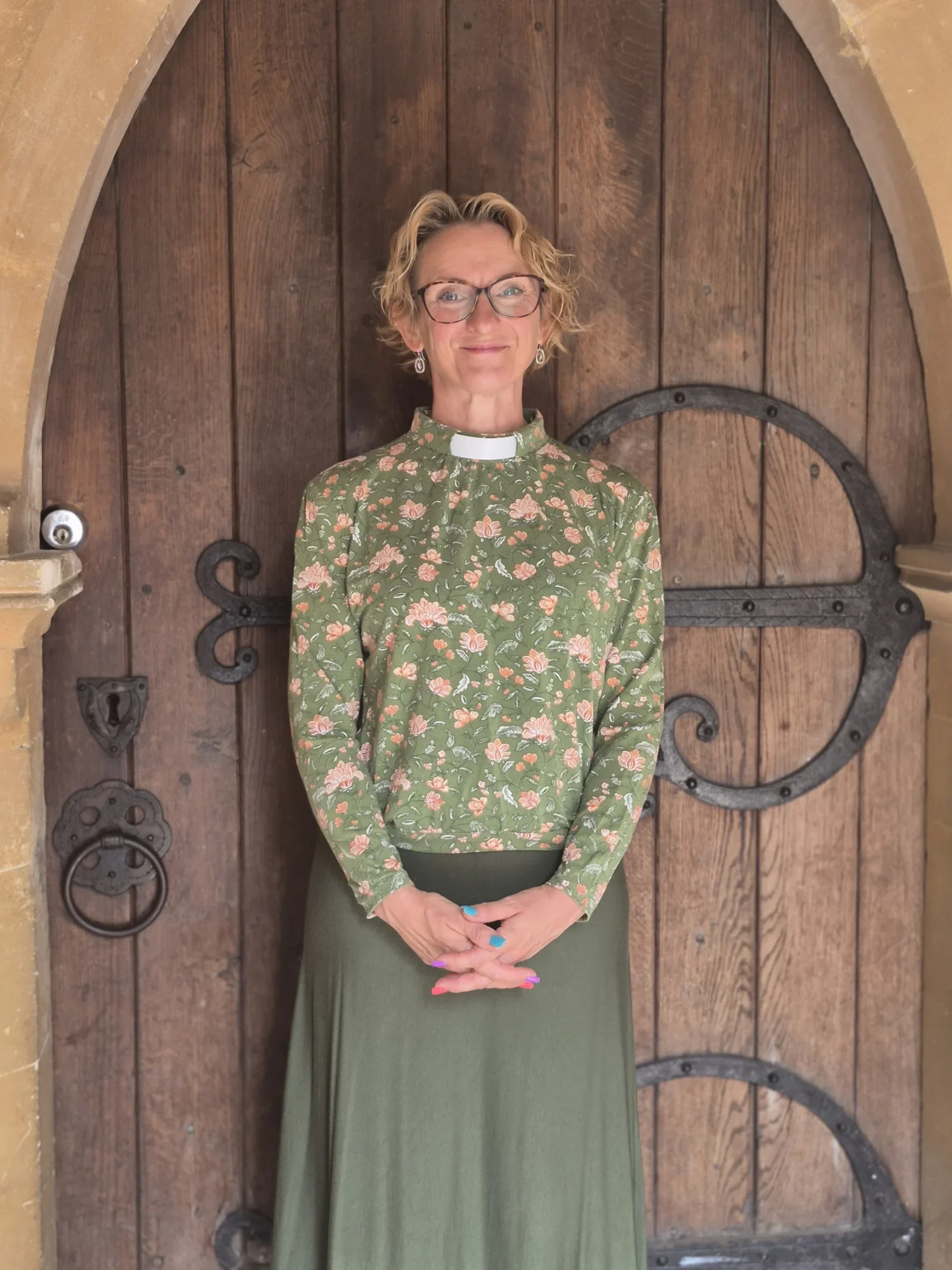
The Revd Gail Minter, who had recently arrived as vicar, found herself faced with an unusual pastoral responsibility.
“Most clergy expect to face a few peculiarities and sensitive issues when they arrive in a parish,” she says. “I don’t think many of us anticipate dealing with an unidentified urn rescued from a burger van.”
After a period of reflection, Revd Gail sought permission for the ashes to be interred in the churchyard.
The Consistory Court of the Diocese of Oxford granted this in June of this year and a simple burial followed after Sunday service, with the entire congregation in attendance.
It was, Revd Gail said, “a fittingly moving experience”.
She added: “Many of us spend a great deal of our lives worrying about reputation, achievement and recognition. Here was somebody known only by a name on a label. Yet he was still worthy of prayer, respect and care.”
Had the story ended there, it would already have been unusual enough. But then came the twist.
The mystery of Gary Bonsor’s ashes had been covered in the media – with the BBC, the Guardian and the Daily Mail all running the story.
Intrigued by these reports, journalists from the Daily Telegraph decided to try to locate members of Gary Bonsor’s family.

When they found them, a story emerged that was very different from the one everyone had assumed.
Most significantly of all, his ashes had already been scattered years ago.
The contents of the urn discovered at Newbury Racecourse were not human remains.
Gary Bonsor had indeed existed. He had died in 2021, aged 58, in Nuneaton. He had worked as a theatre technician and had lived a complicated life. Family relationships had fractured.
Sadly, he was estranged from his children. Following his death, a small group of relatives raised the money for cremation.
According to the family, the urn had contained wood ash and miniature whisky bottles. It had reportedly been created as part of a stag party prank connected with one of Mr Bonsor’s sons (as might have been expected given that it was a stag party, the whisky bottles had disappeared by the time St Mary’s Church came into possession of the urn).
In other circumstances, this might have caused a degree of embarrassment. But Revd Gail remains unflustered.
“Clergy become accustomed to discovering that things are rarely quite what they first appear,” she said. “In this particular case, it turns out we may have conducted a respectful burial for a quantity of fireplace debris.
“Of course, if one is going to make a mistake, it is probably preferable to err on the side of kindness.”
That sentiment captures the heart of the story.
At every stage, people acted according to the information available to them.
Racecourse staff did not ignore the urn. Police officers did not dismiss it. Churchwardens did not throw it away.
The church did not treat it as an inconvenience.
Everybody assumed that the ashes were genuine because every indication suggested they were.
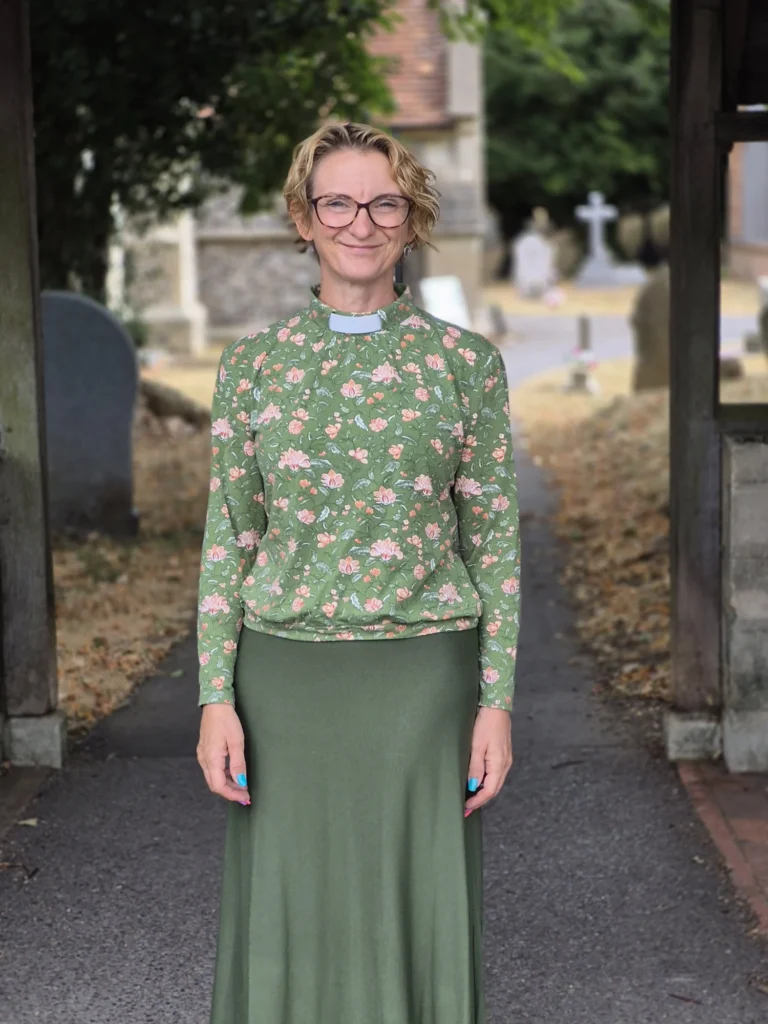
“I don’t feel embarrassed at all,” said Revd Gail. Actually, I feel quite the opposite.”If somebody places what appears to be human ashes into your care, the right response is to treat them with respect and compassion.
“Had we done otherwise, and had they turned out to be genuine, that would have been a very different story.”
There is, she thinks, a broader lesson.
“The Christian faith teaches that every person matters. We don’t care for people because we know everything about them. We care for them because they are human beings made in the image of God.
“In this case, we didn’t know the full truth. But we acted in good faith and with compassion. I think that’s something to be grateful for rather than embarrassed about.”
As for the ashes now resting in consecrated ground, Revd Gail said: “Churchyards contain many surprises accumulated over centuries. I suspect these ones are among the more unusual.”
The whole affair retains an air of slightly tragic absurdity. A mystery urn. A racecourse burger van. A police investigation. An ecclesiastical court. A stag-do prank that escaped entirely from its creators’ control. Yet beneath this lies something genuinely encouraging.
In an age often accused of indifference, dozens of people invested time, effort and care into ensuring that a stranger was treated with dignity.
Whether the contents proved to be human ashes or wood ash is perhaps not the most important part of the story.
The more important fact is that, when presented with what appeared to be someone’s final remains, people chose compassion.
And, in the end, that is never something to be embarrassed about.
This article is from the winter 2026 edition of Pathways, the free magazine for the people of the Diocese of Oxford. If you would like copies of Pathways for your church, please contact editor Richard Tilley on richard.tilley@oxford.anglican.org.
Today, our three bishops gathered with people across the diocese to remember the fallen and all whose lives have been damaged by conflict.
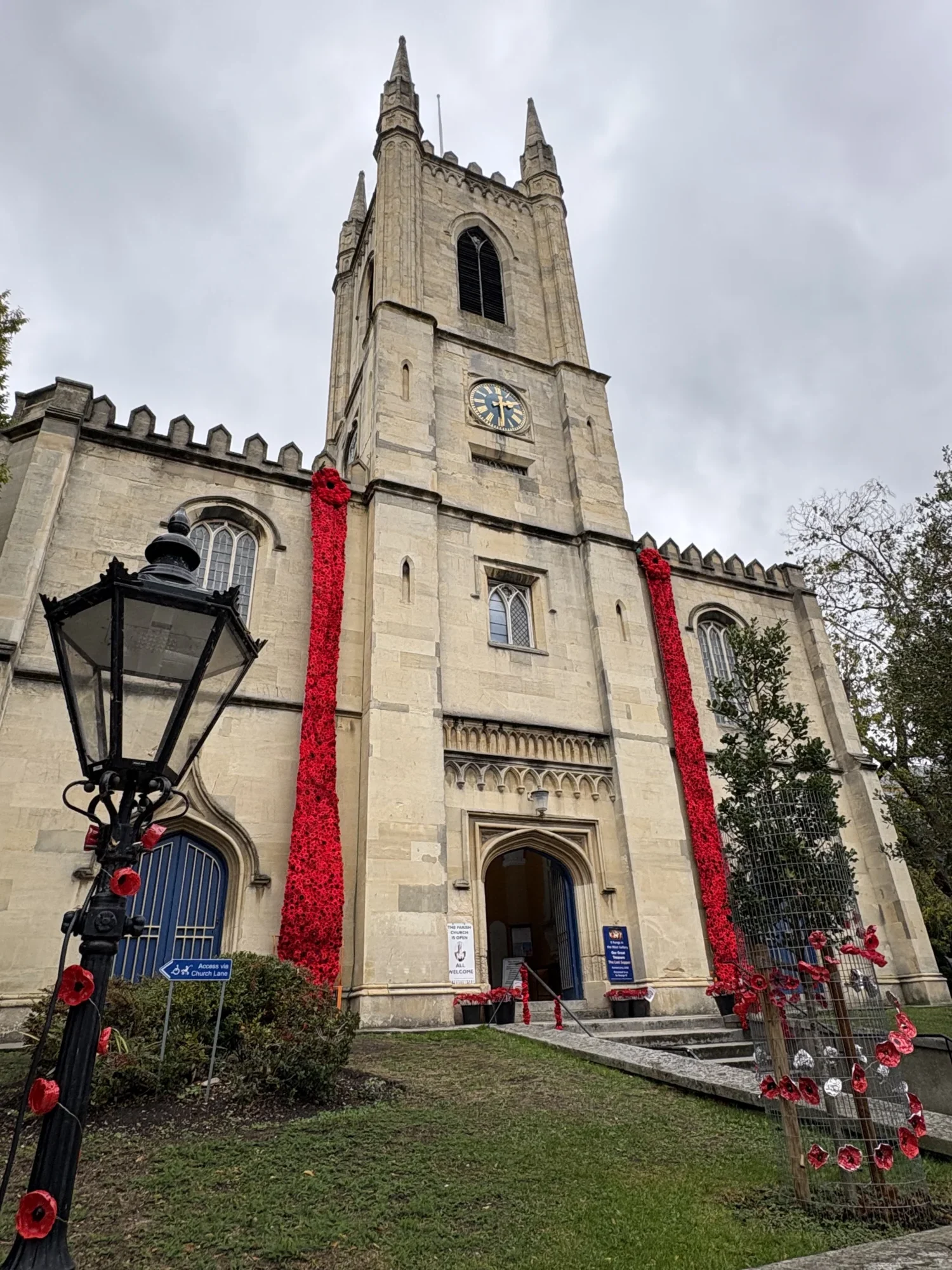
More than 20,000 poppies, created by the local community, make up a striking display at Windsor Parish Church of St John the Baptist.
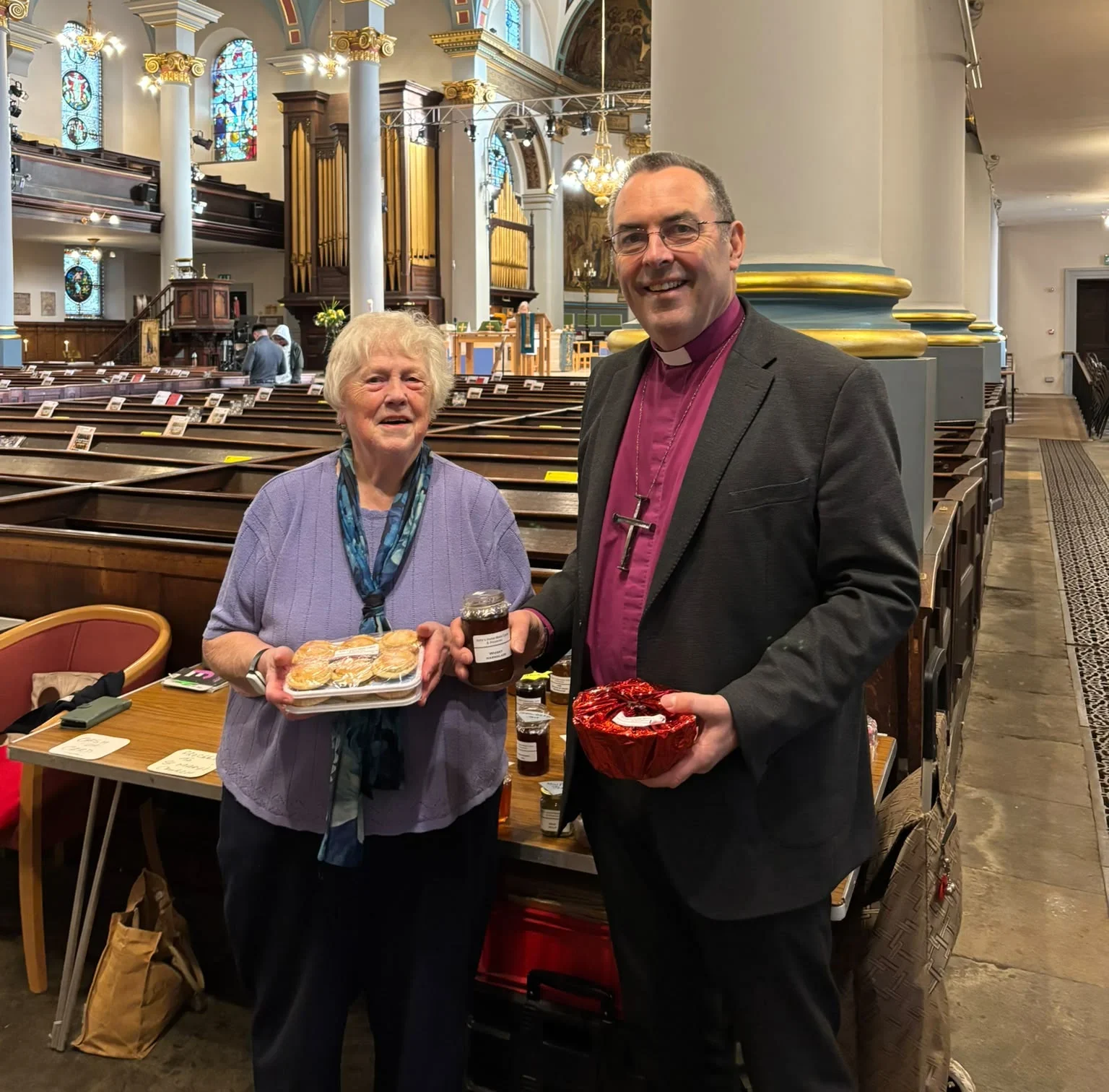
Banbury woman is recognised for raising more than £70,000 over half a century.
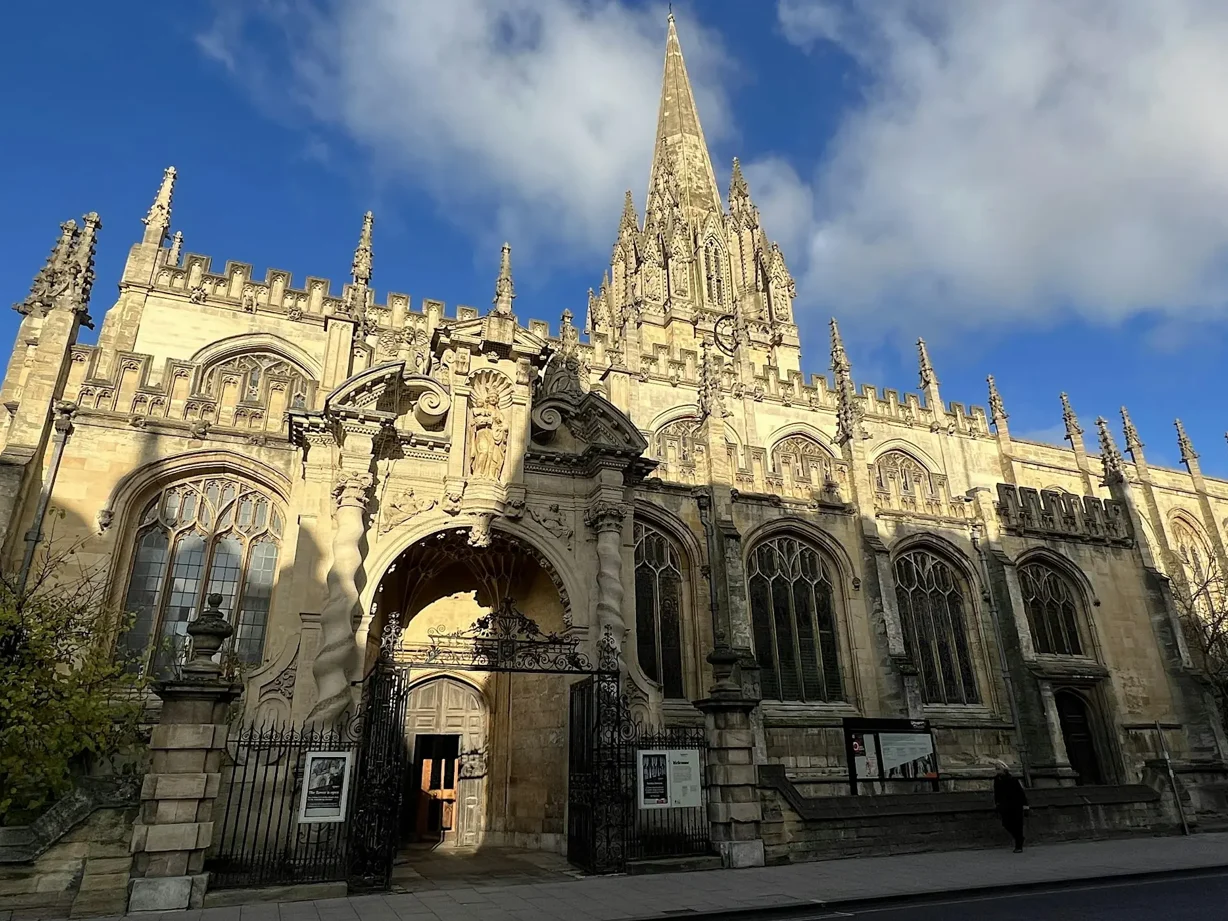
Survivors of church-related abuse and safeguarding campaigners shared powerful testimonies at a public meeting in Oxford, challenging the Church to confront past failings.
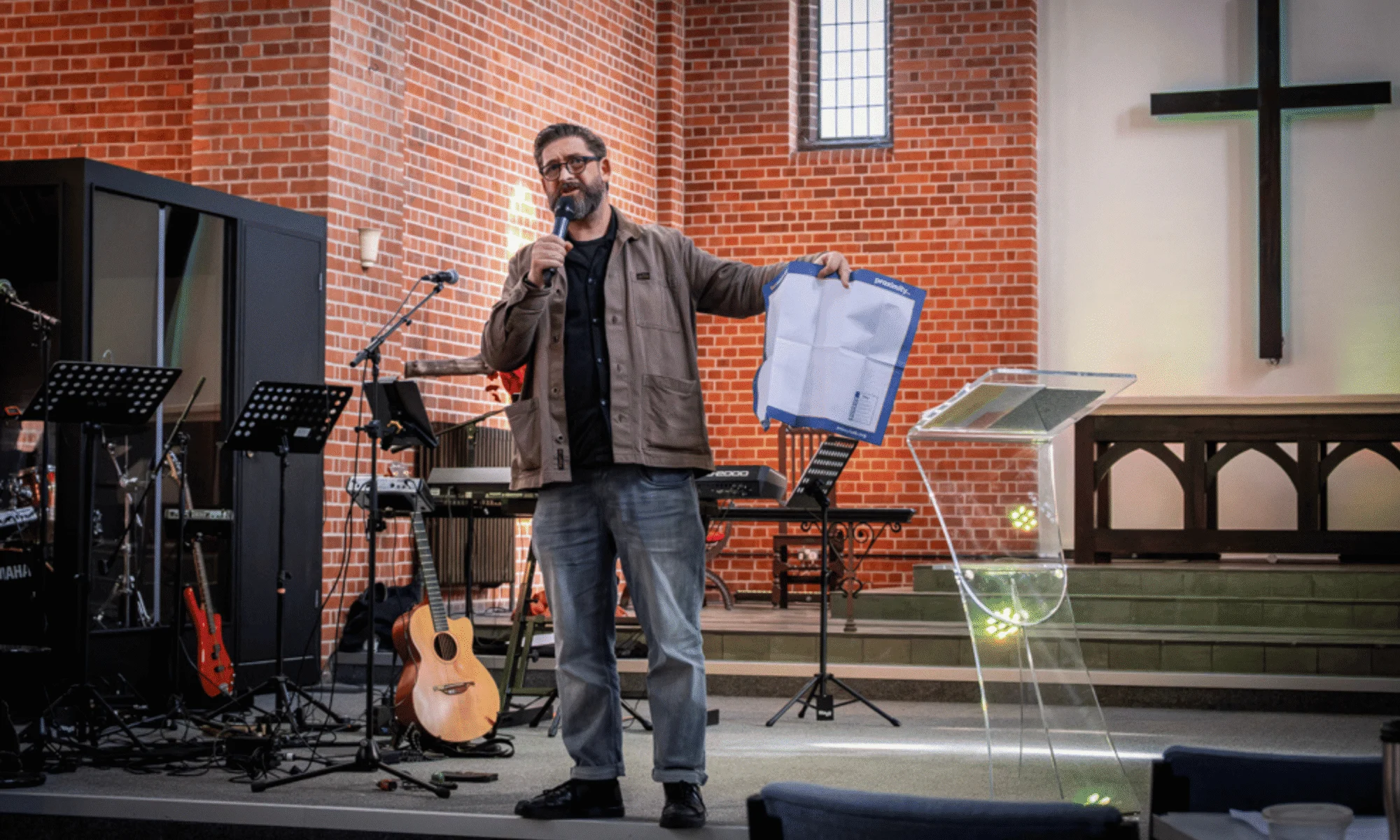
Church leaders and volunteers gathered to explore how churches can recognise and nurture the gifts present in the communities they serve.
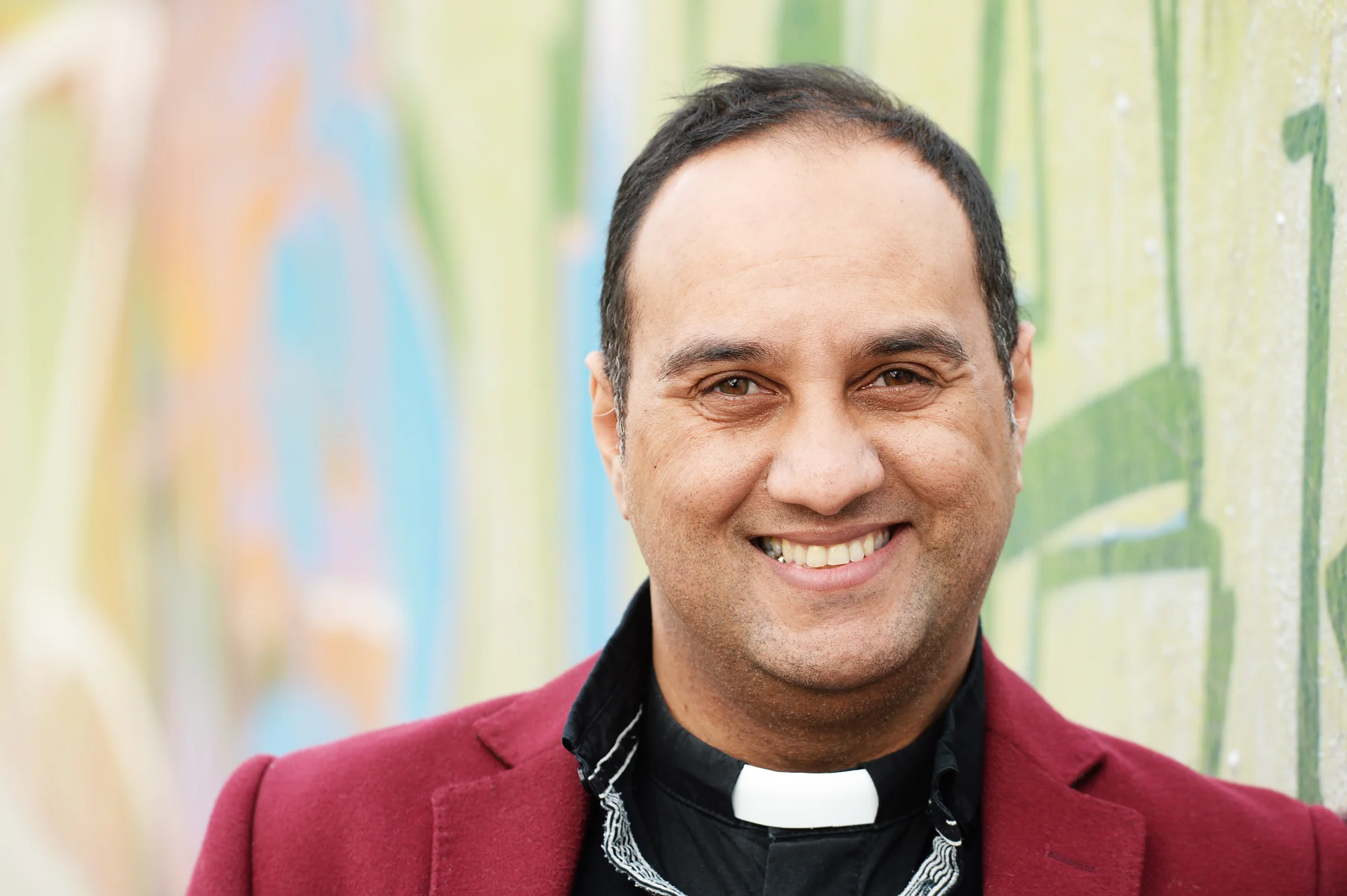
During Black History Month, the Revd Peterson Feital reflects on why the Church still needs to talk about race, belonging and the contributions of Black and Brown clergy.
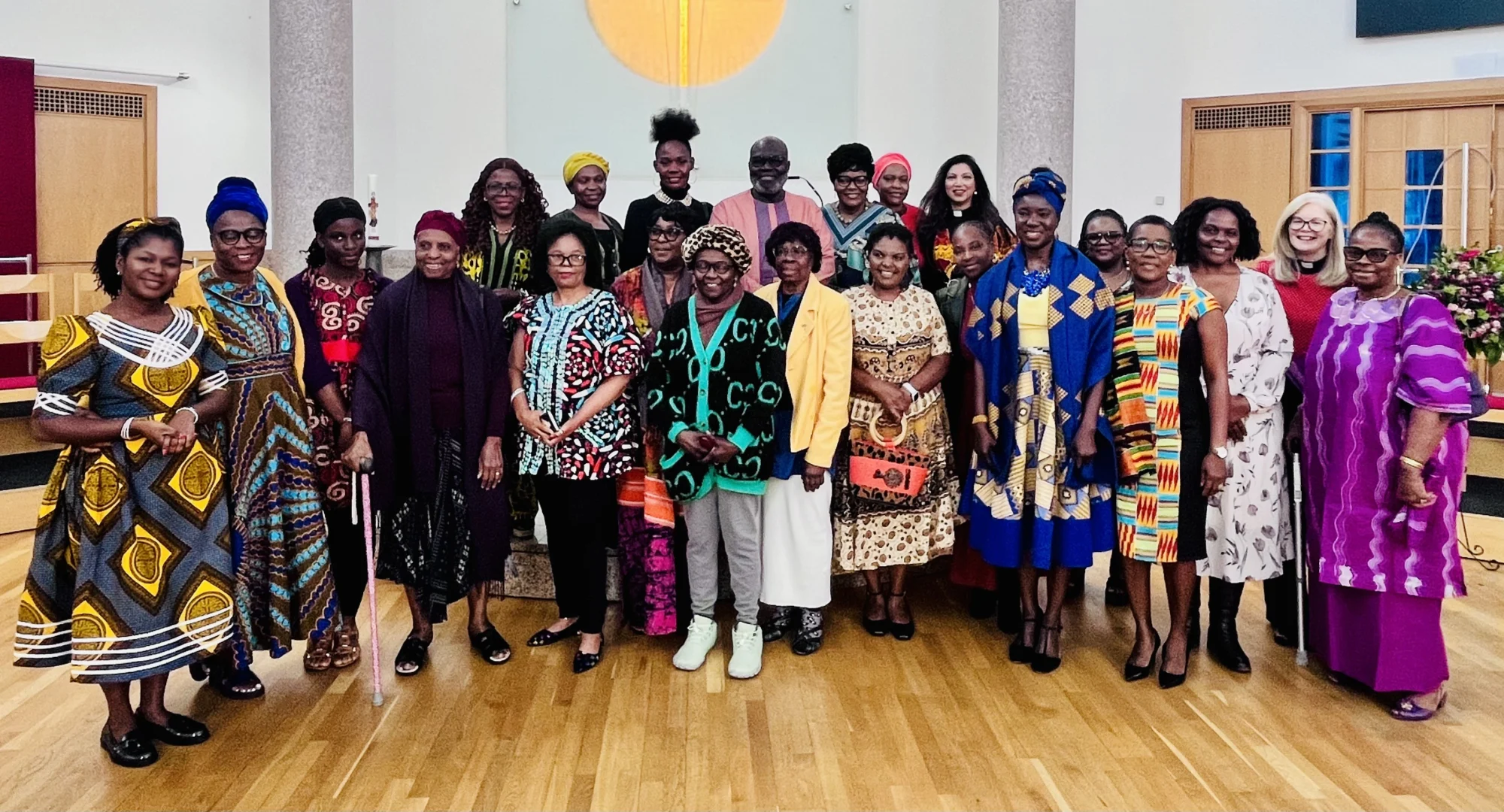
Event at Christ the Cornerstone Church celebrates African culture as part of Black History Month.
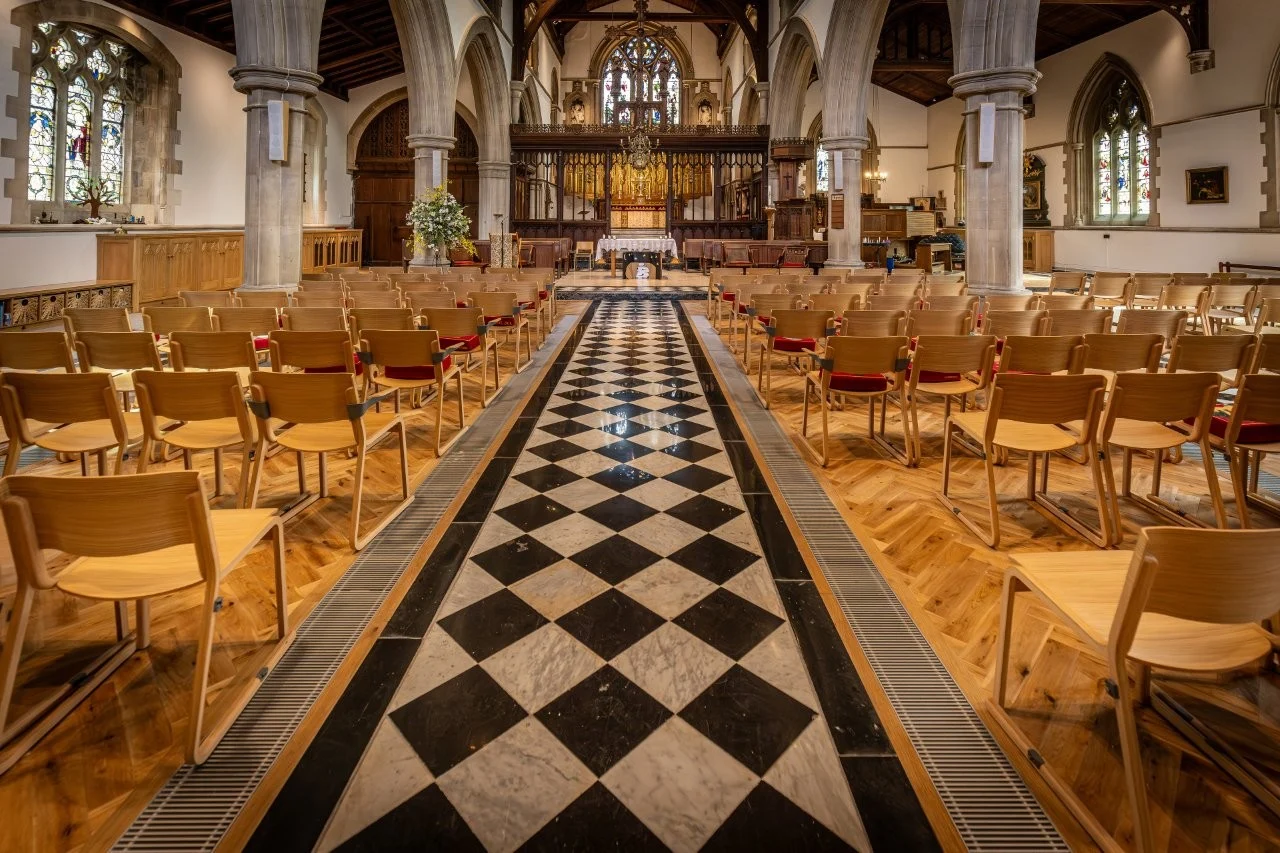
St Margaret’s Church in North Oxford is one of the finalists in the Oxford Preservation Trust Awards.
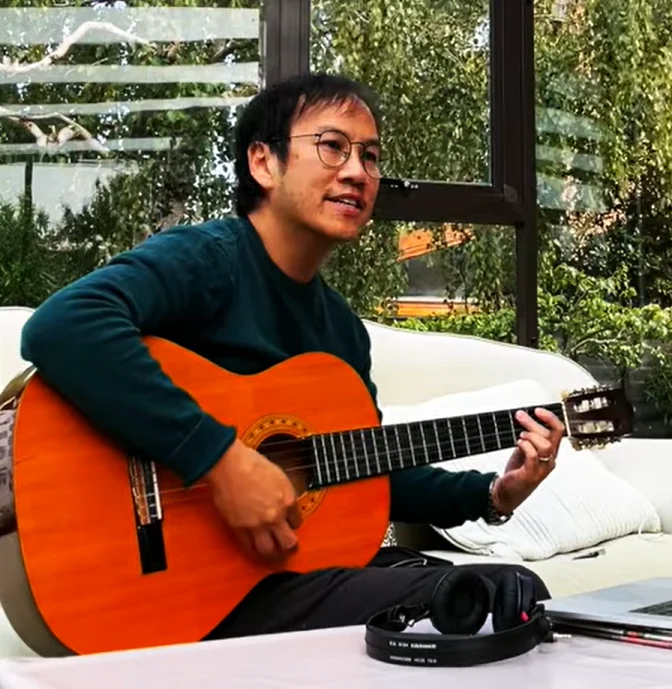
The Revd Mark Nam, vicar of St John the Evangelist in Woodley, was one of two winners of Sounds of the Church.

Revd James Dwyer finds running helps him reflect and serve his parish better