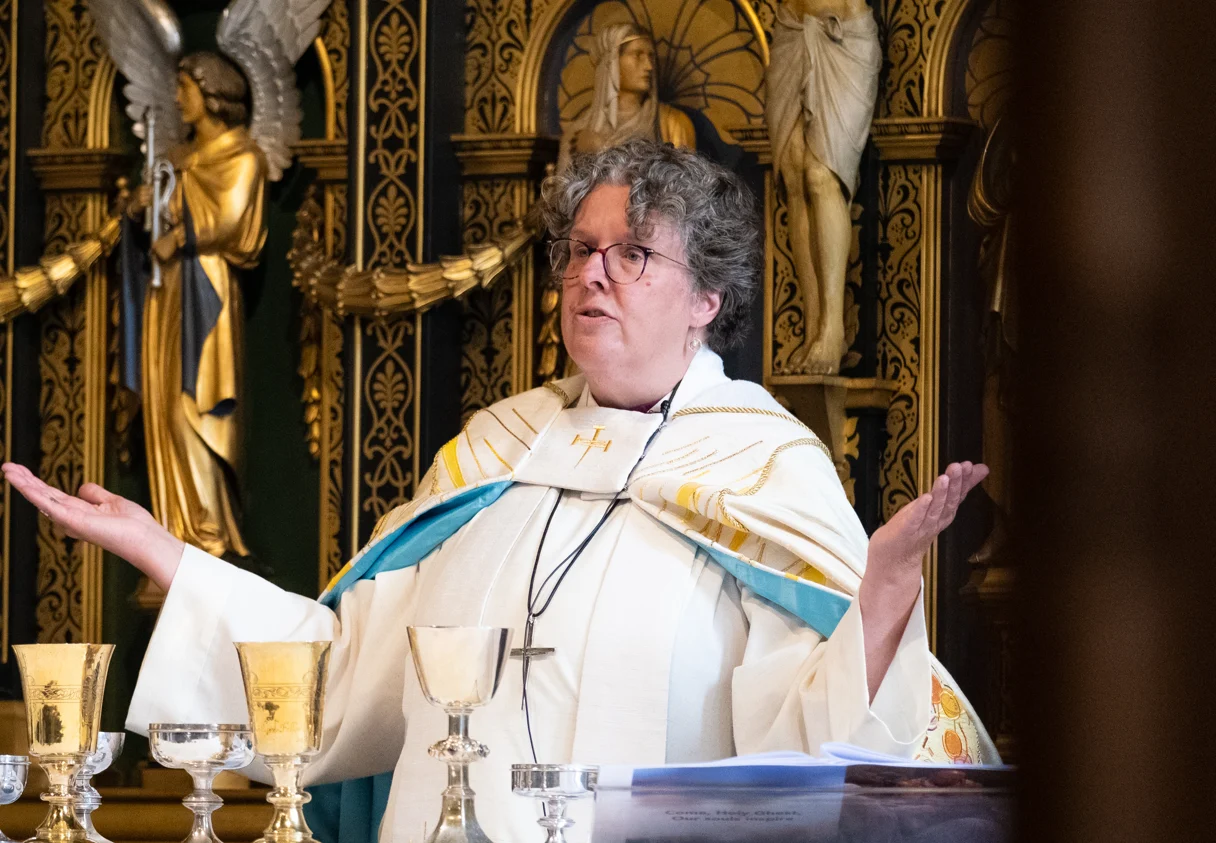

Diocesan Synod explores hope and love in action
Around 120 people attended Diocesan Synod to explore how Christians can respond with hope and love to the challenges facing our communities.

The Bishop of Reading says trepidation about addressing the issue of safeguarding is understandable, but that overcoming it might bring the humility that opens us to learning.
Whenever I write about safeguarding, as I do here in this week following Safeguarding Sunday, I notice real hesitancy as I draft. My fingers hover over the keyboard, my typing falters, my thumb is heavy on the backspace bar as I repeatedly delete what I have written.
My mind stutters, checks and rechecks, I think, because I want to be so careful not to further wound those who have been abused: words, I learned from a very young age, do actually harm. And I am very conscious that I represent authority in a church where people who should have been protected and nurtured have been seriously harmed, and where they have been wounded further when their accounts were not held carefully, and addressed courageously. Who am I, then, to write about this?
My answer to my own question is that I write as a learner, as someone who wants to understand more about responding well to victims and survivors, and who wants to encourage others to do the same. I write, knowing that my lack of fluency is appropriate; that words, on which I usually so readily rely, might well be blunt instruments to adequately express the depth of suffering and the complexity of response. I write, because I don’t want my reticence to become something to hide behind, when others so courageously, and at great cost, tell their stories.
So, what am I learning, especially from the women of the Oxford Survivors Group who I have had the privilege to listen to twice in the last month; at an event at University Church in Oxford, and at a Bishops’ and Archdeacons’ meeting in Church House?
The first thing is the gift of attentiveness. In the Book of Lamentations, a person cries out, ‘Is it nothing to you, all you who pass by? Look and see if there is any sorrow like my sorrow’ (1.12). It is not, for me, for us, to pass by those who invite us to look and see their sorrow; to attend to their suffering. I don’t have much to offer, but I can give my time, my attentiveness, to bear witness to what is being shown me; to hold it tenderly; to resist the temptation to flinch or look away. As a priest, I hold Christ’s suffering in bread and wine each week. How can I refuse to hold the suffering of his people?
The second thing is the importance of reliability; of doing what I say I will do, and then reporting back. ‘Reliability’ doesn’t sound at all compelling, does it? – it is plodding, steady, predictable, safe. And yet reliability is exactly what is needed, I understand, when someone is on the extremity of vulnerability because they have entrusted you with something deeply personal, incredibly painful. This is not the time for dazzling innovation but for being just who you have said you will be. Now is the time to tread softly, even as we step out in courage.
Some of us will continue to be asked to receive these accounts of abuse. It is a terrible privilege: terrible that such wrong should be inflicted by those who stand and speak of a Gospel of love; a privilege because what better use of time than to accompany someone towards being heard, towards their pain being weighed, even a little closer to a sense of justice.
I want to convert my trepidation in writing or speaking of safeguarding into a humility which opens me to learning. Will you learn with me?
Around 120 people attended Diocesan Synod to explore how Christians can respond with hope and love to the challenges facing our communities.
A new National Lay Minister Register will be published on the Church of England website at the end of January 2027.

Delight in Diocese of Oxford at Revd Dr Jitesh Patel's new role in North-East
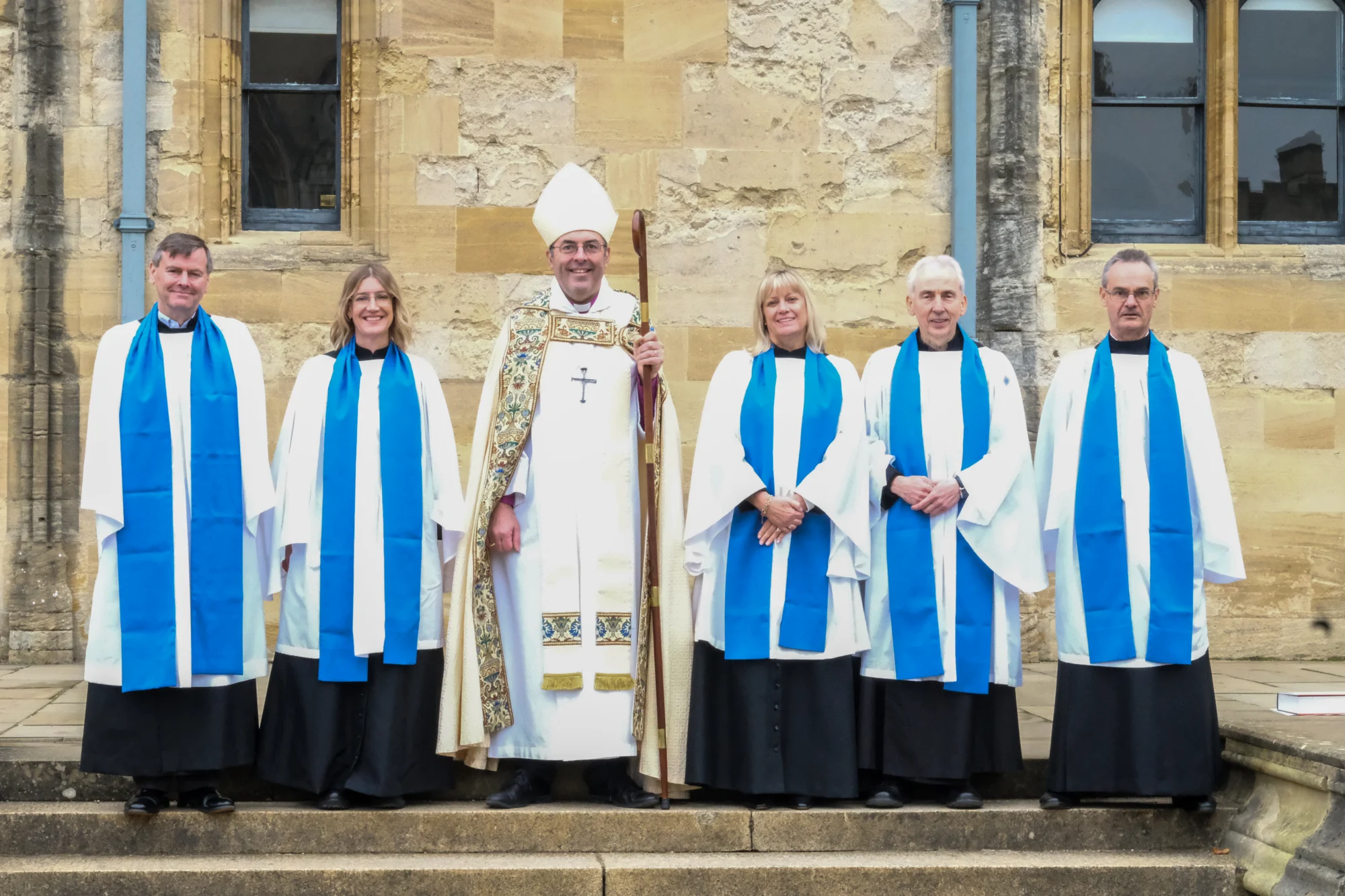
On Saturday we celebrated the admission and licensing of five new licensed lay ministers (LLMs) and the ministry of all LLMs across the diocese at Christ Church in Oxford.
Berkshire vicar on why her church's actions in the strange case of the burger van urn should be celebrated.
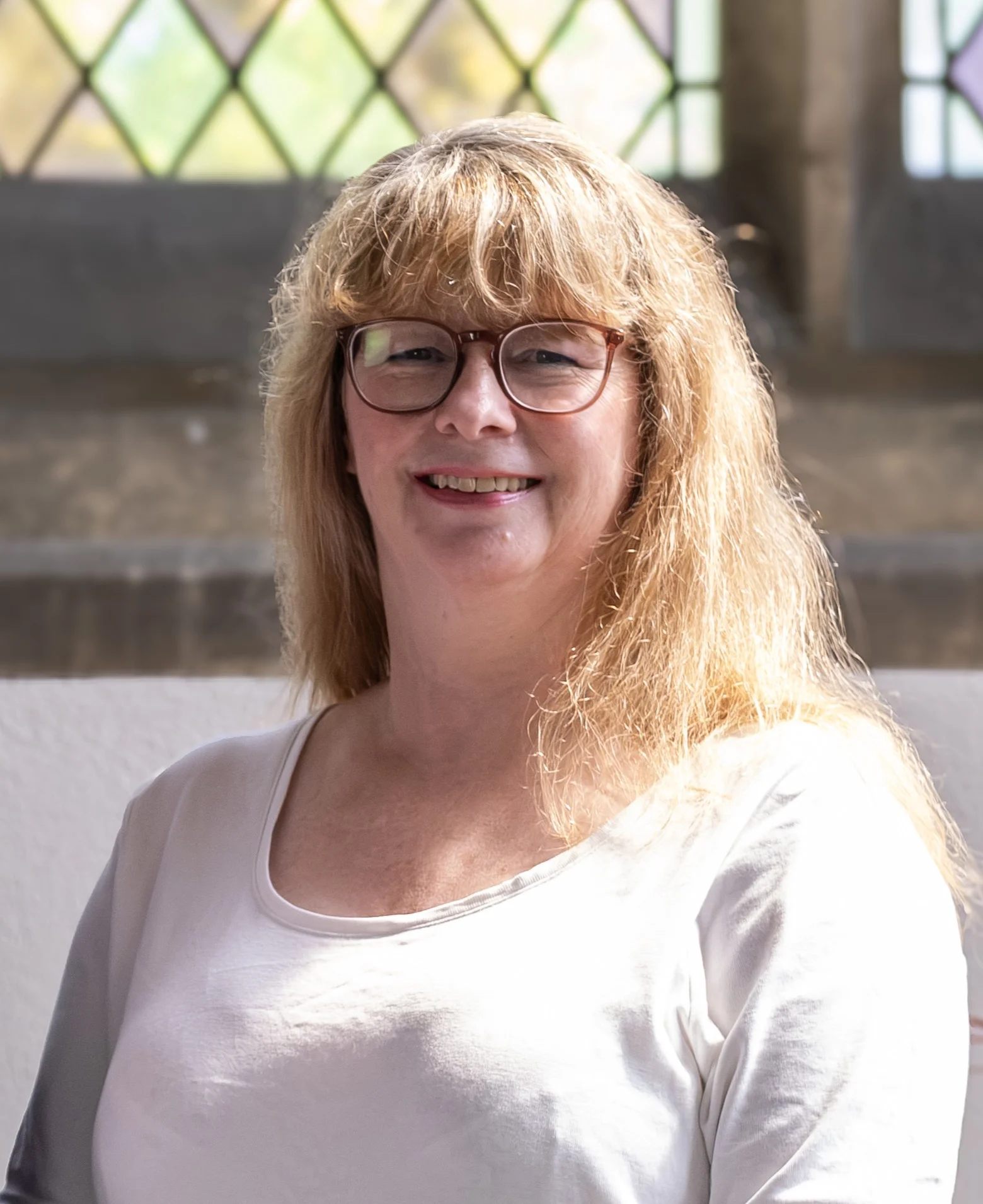
The Revd Dr Jenni Williams joins from St Matthew’s with St Luke’s in Oxford to lead on ordained assistant, licensed and authorised lay ministry training.
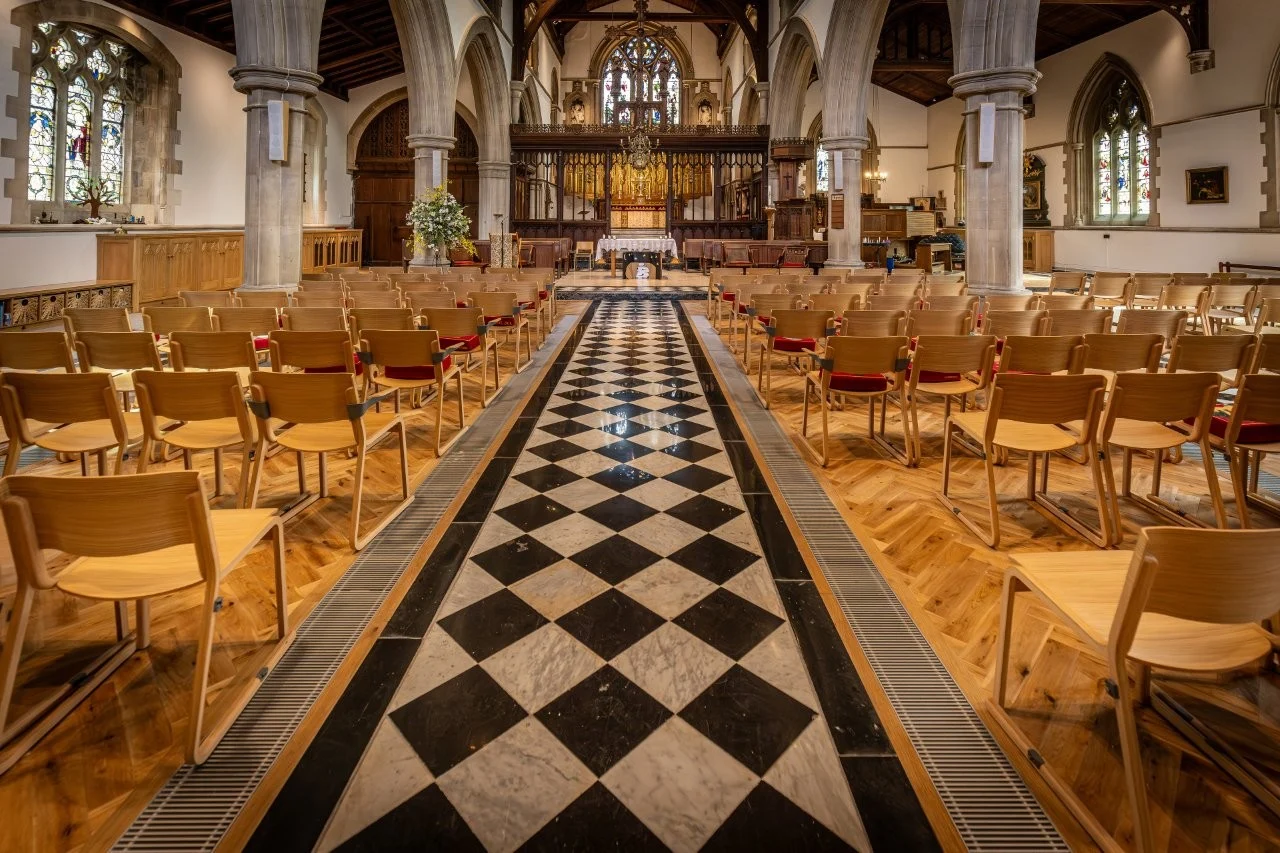
St Margaret’s Church in North Oxford is named category winner in the Oxford Preservation Trust Awards.
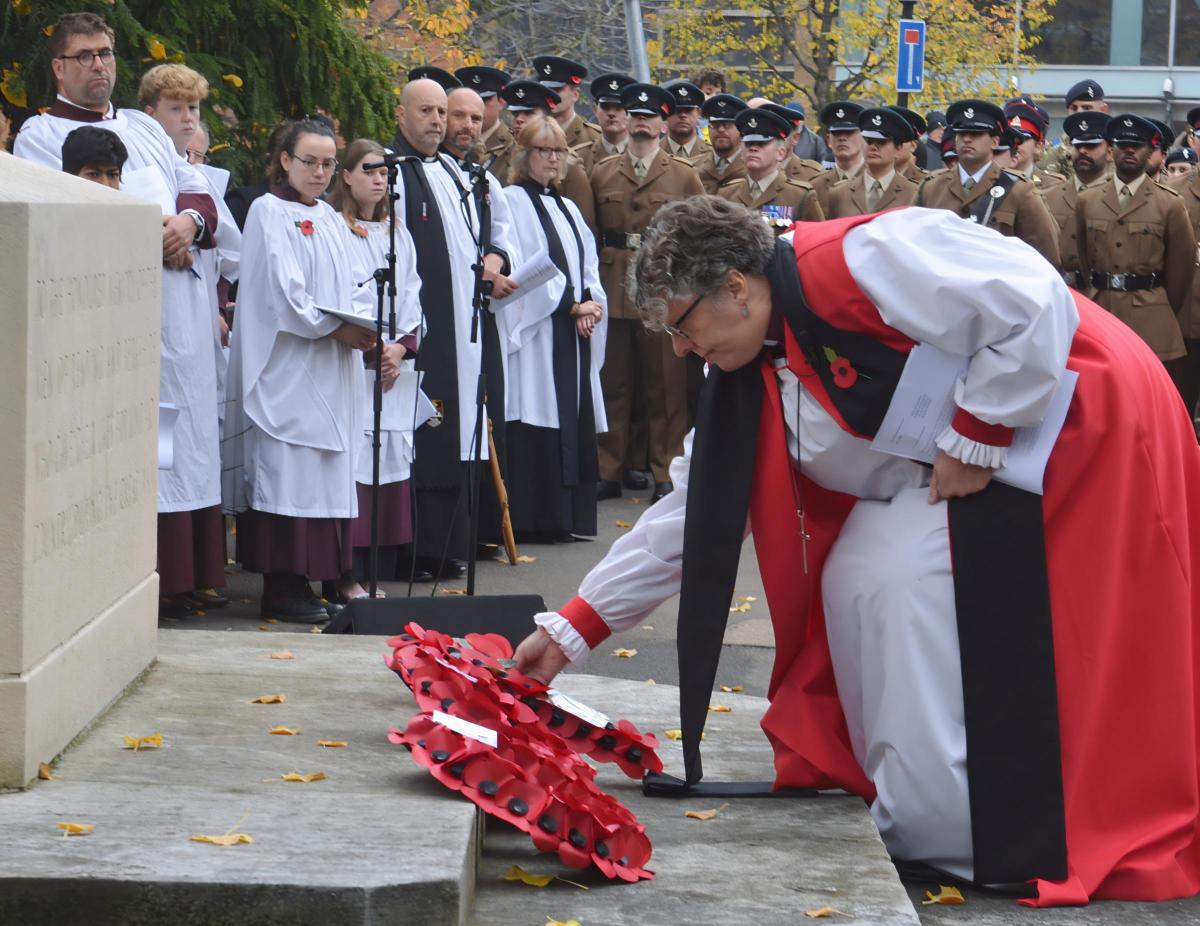
Today, our three bishops gathered with people across the diocese to remember the fallen and all whose lives have been damaged by conflict.
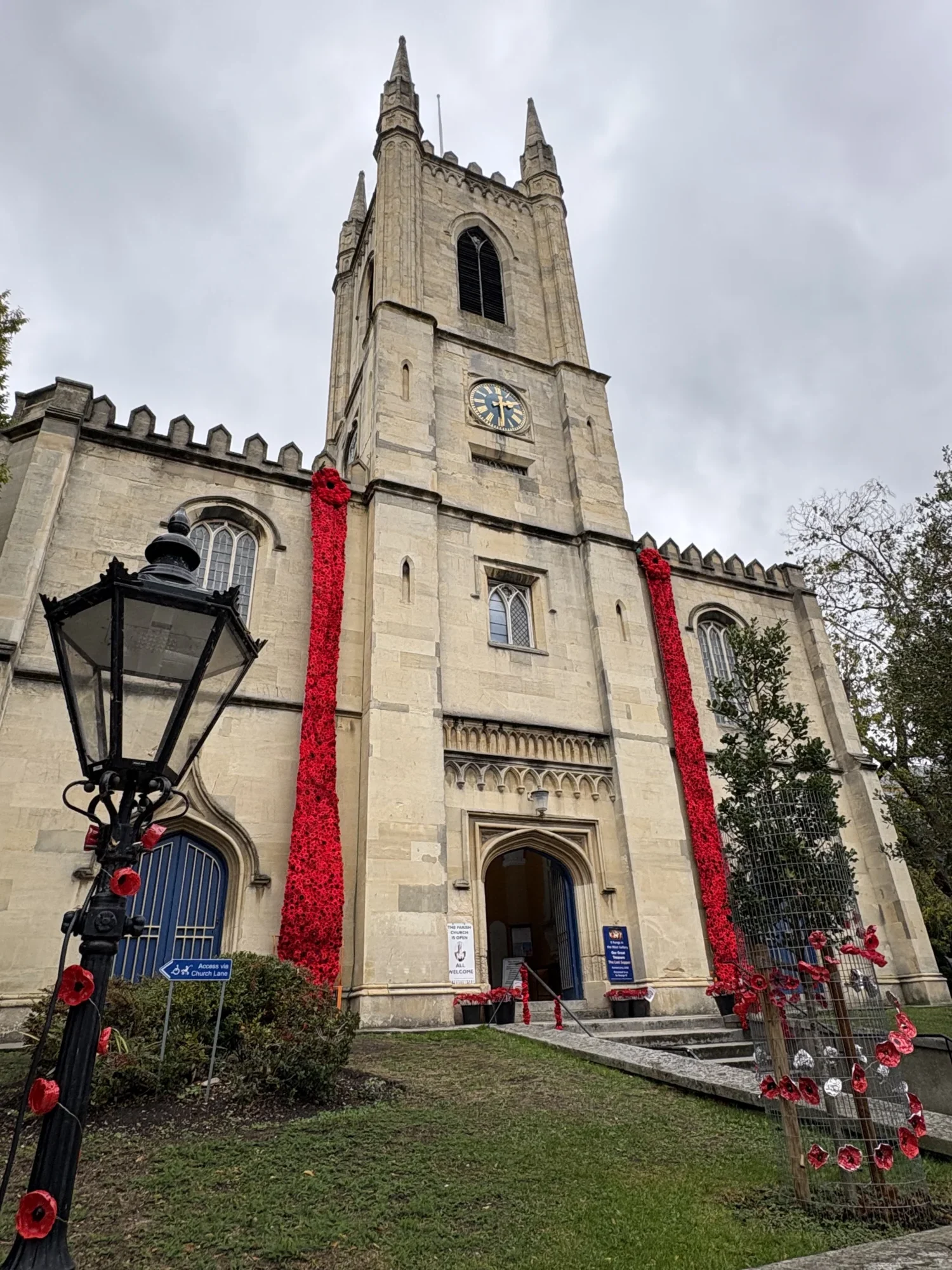
More than 20,000 poppies, created by the local community, make up a striking display at Windsor Parish Church of St John the Baptist.
Banbury woman is recognised for raising more than £70,000 over half a century.