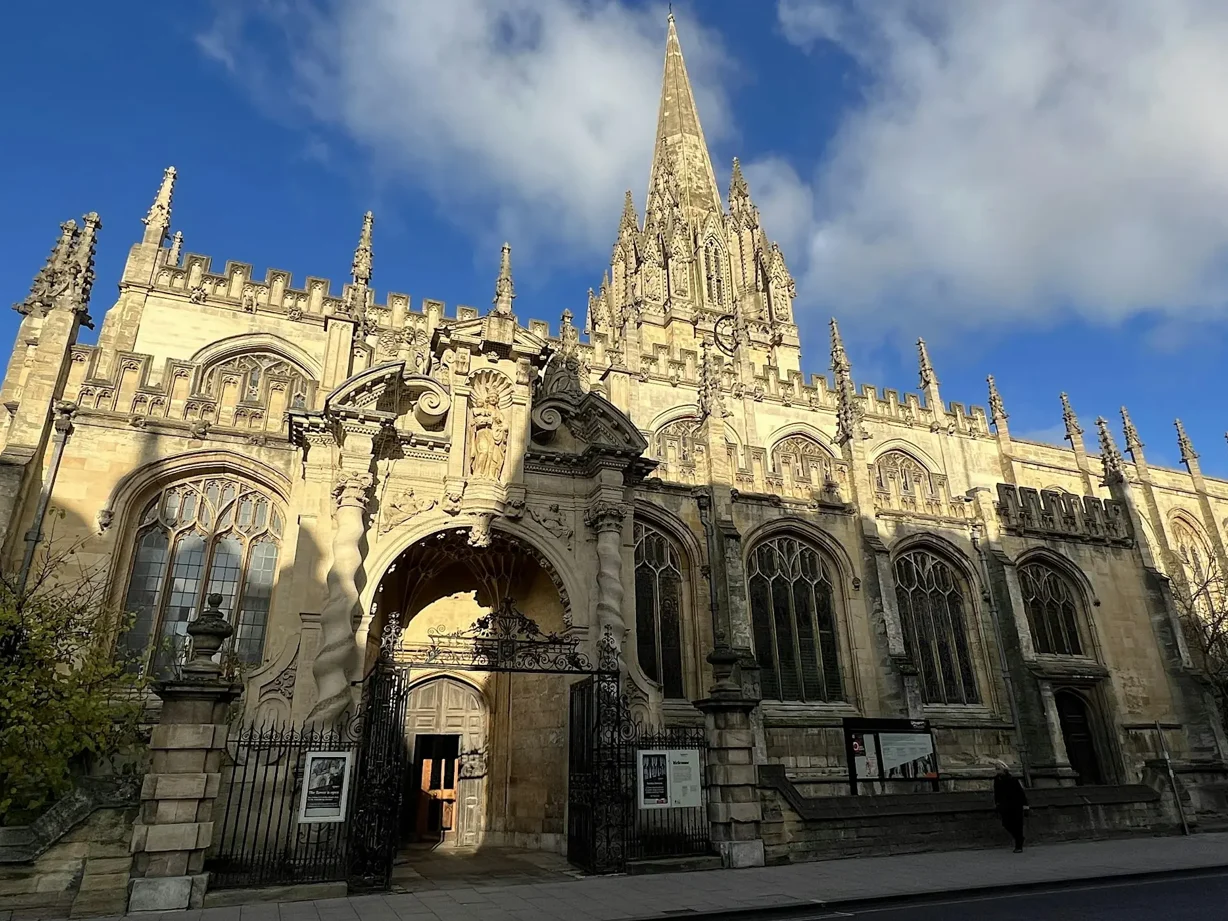
Survivors call for trust and integrity
Survivors of church-related abuse and safeguarding campaigners shared powerful testimonies at a public meeting in Oxford, challenging the Church to confront past failings.

How are you marking National Dyslexia Awareness Week this year?
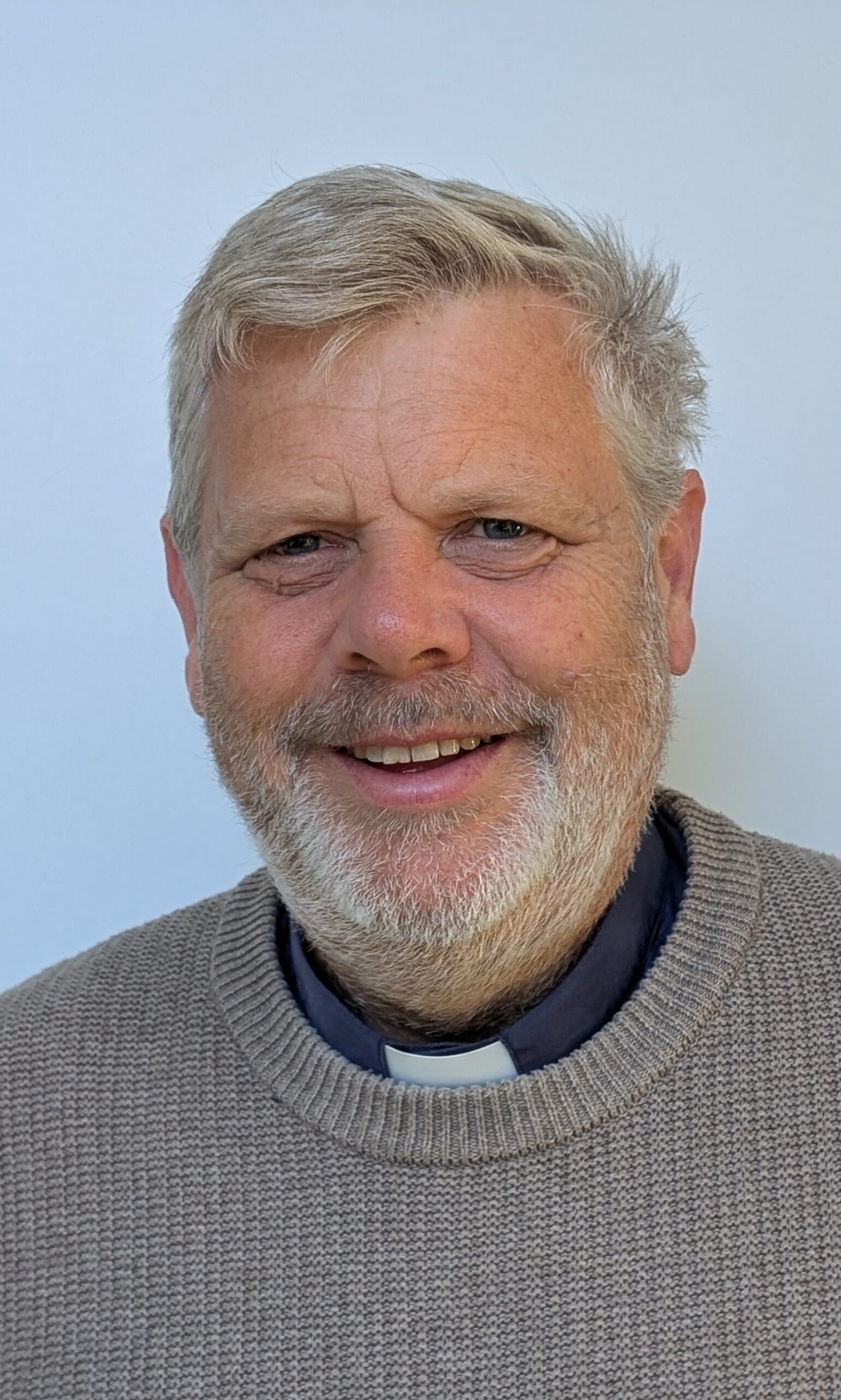
 Revd Canon Dr Phil Groves on National Dyslexia Awareness Week:
Can I encourage you to mark National Dyslexia Awareness Week this year by taking some time to consider how your church community welcomes all neurodivergent people?
I am the Revd Canon Dr Phil Groves and I am dyslexic. Please celebrate with me and all dyslexic people and recognise the gifts we bring.
Dyslexic people are typically curious, imaginative, creative problem solvers. We tend to be great at verbal communication and fantastic story tellers. We can build human connections and all these gifts can make us excellent parish clergy.
However, the English language is particularly difficult for us and the way our educational system works often heaps shame on us. At school I was ridiculed and written off as a ‘remedial’. I was overwhelmed by shame and felt isolated and alone. I came to faith through hearing the story of Thomas. I identified with him as the outsider and was moved to say ‘My Lord and my God’ to the one who accepted me just as I was.
The institutional church has not always been a safe place for me. In our confidential Facebook community, we share stories of barriers still placed in our way by the institution. We know that often it is not meant, but there is work to do.
The good news is that the Church of England is in a completely different place now to a year ago. Our Archbishop of Canterbury speaks confidently about her own dyslexia and gives hope to many, sharing how her gifts have enabled her ministry.
In July the General Synod passed the motion All Kinds of Minds: a motion sponsored by the Church’s Neurodiversity Working Group (of which I am a member) in support of neurodivergent people in the parishes and dioceses of the Church of England.
All Kinds of Minds encourages all dioceses develop inclusive practices and policies which promote the flourishing of neurodivergent people. This will involve training for all that is led and shaped by neurodivergent people. Each diocese will appoint neurodivergent people as Neurodiversity Champions to enable all churches and church members to listen and respond to the experience of neurodivergent people.
This year has also seen new hope in our diocese with the launch of the Neurodiversity Forum for lay and ordained people in leadership who identify as neurodivergent, whether they have been diagnosed or not. It is a space to make connections, support and encourage each other. If you recognise yourself as Neurodivergent, please join us for our online meeting on 22 October 10am-12pm.
I am now open an honest about my dyslexia in the parishes where I serve. The result has been profound. We have been able to encourage many neurodivergent people to use their undoubted gifts in service of the mission of the church. We have welcomed neurodivergent children into our community and not expected them to conform to one way of thinking. We have seen a vibrancy in our community for all.
Please join us in celebrating all kinds of minds.
Survivors of church-related abuse and safeguarding campaigners shared powerful testimonies at a public meeting in Oxford, challenging the Church to confront past failings.
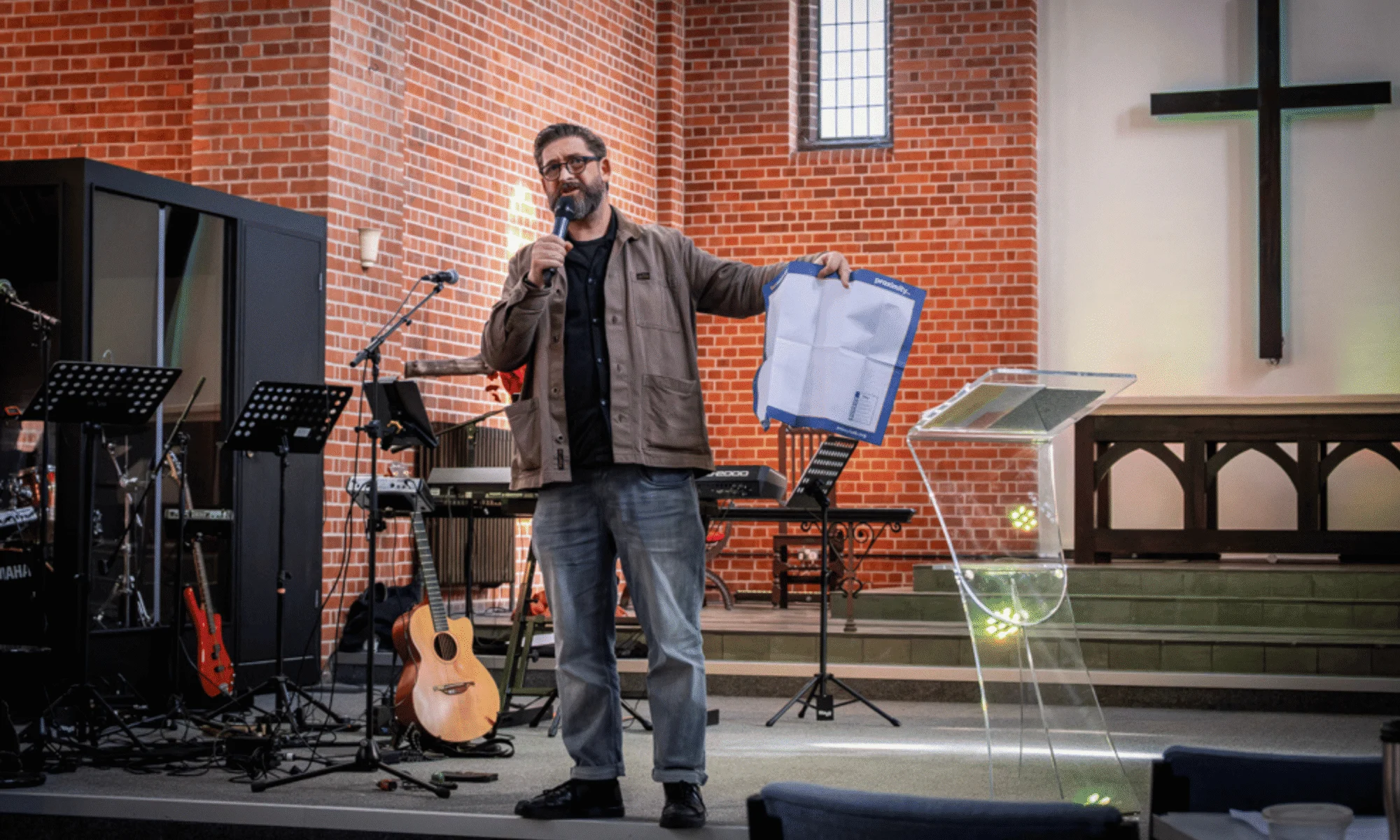
Church leaders and volunteers gathered to explore how churches can recognise and nurture the gifts present in the communities they serve.
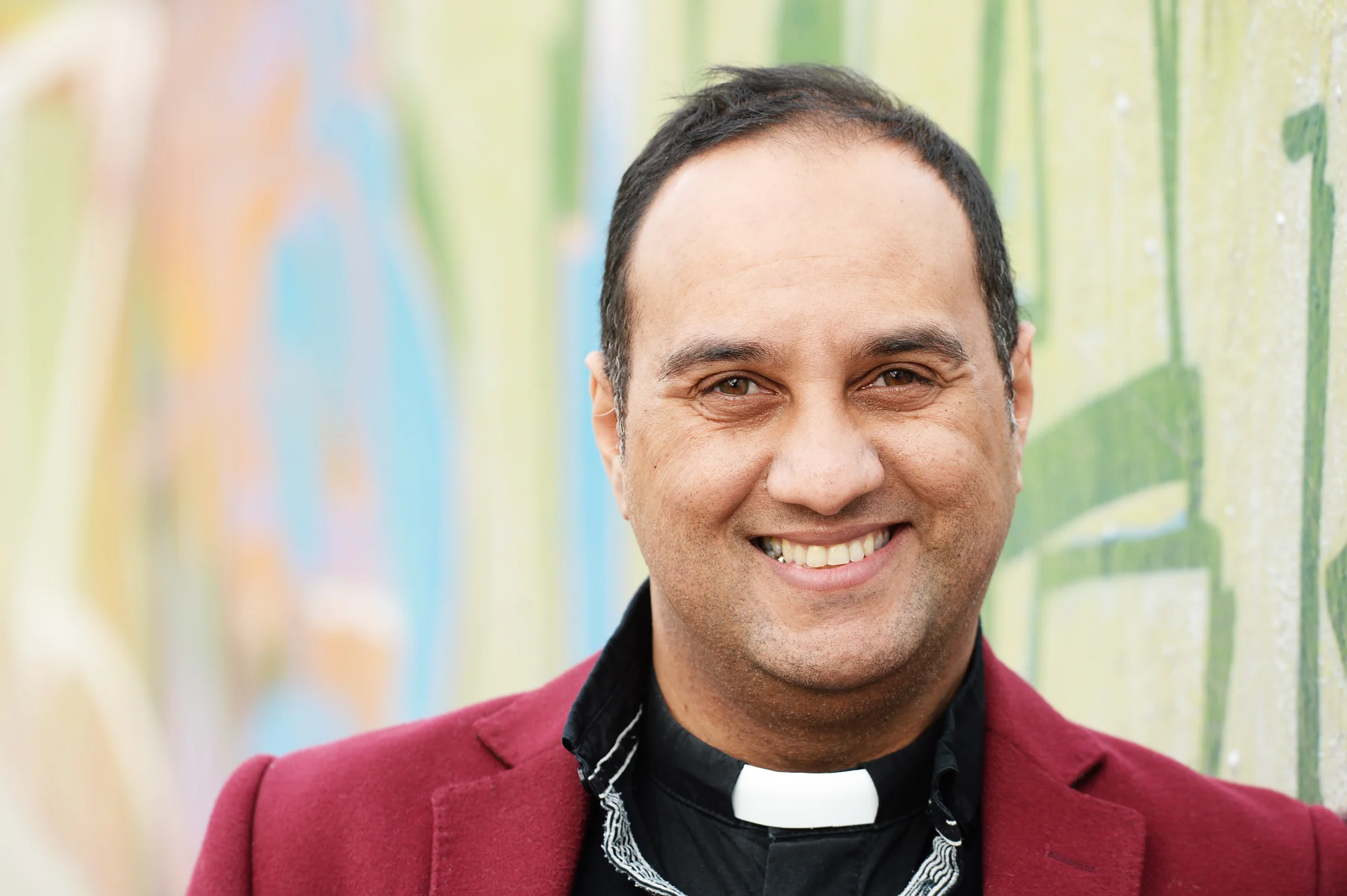
During Black History Month, the Revd Peterson Feital reflects on why the Church still needs to talk about race, belonging and the contributions of Black and Brown clergy.
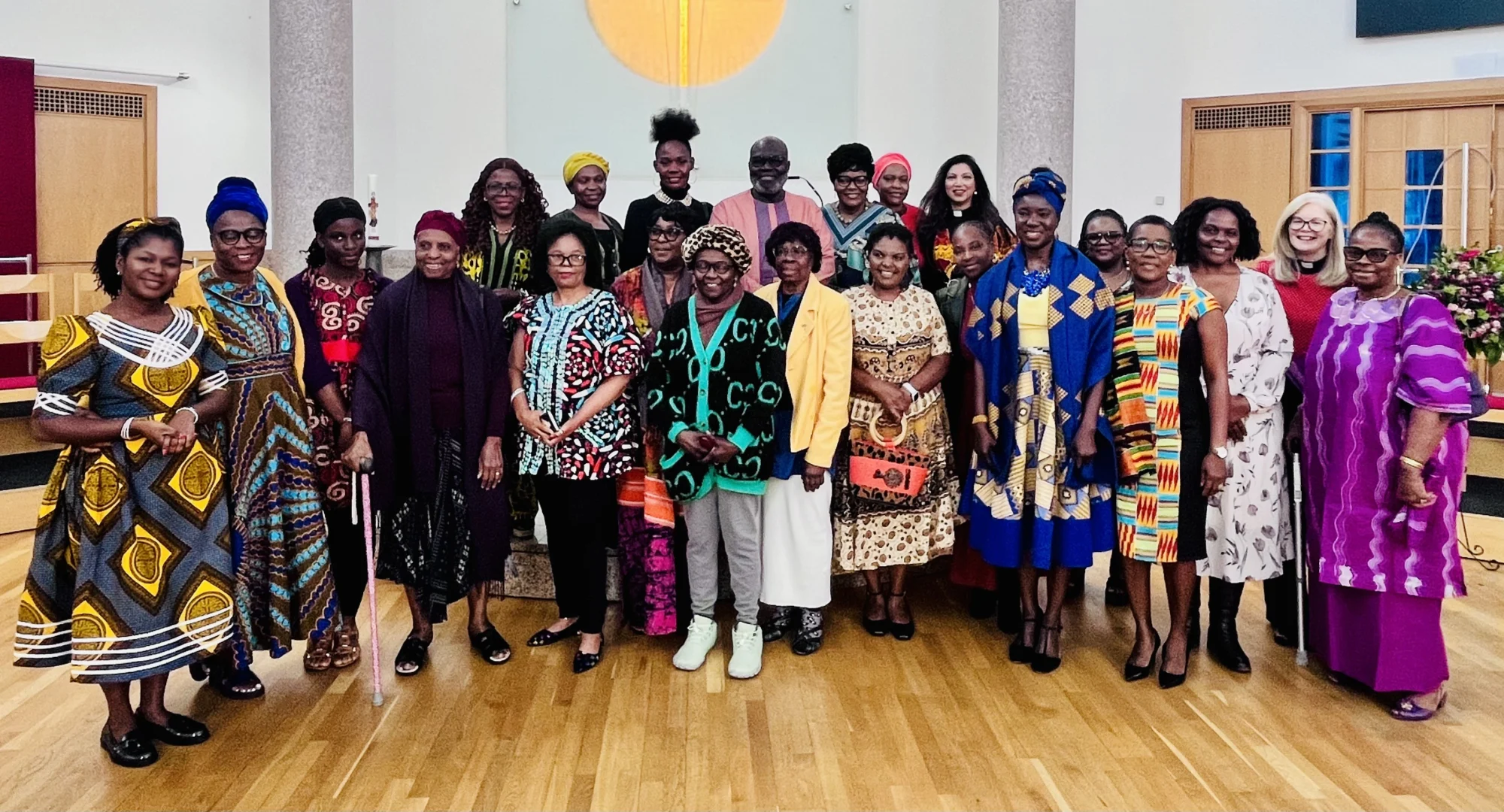
Event at Christ the Cornerstone Church celebrates African culture as part of Black History Month.
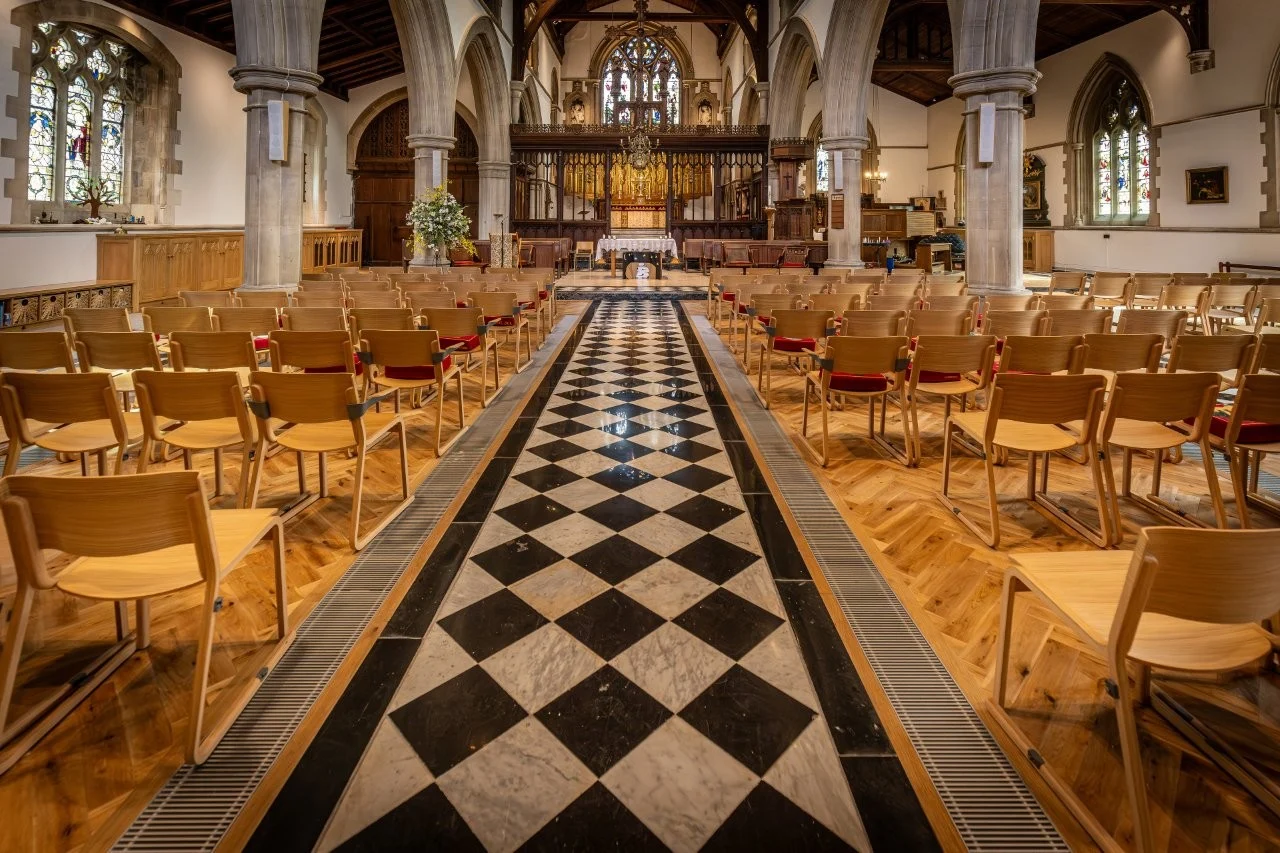
St Margaret’s Church in North Oxford is one of the finalists in the Oxford Preservation Trust Awards.
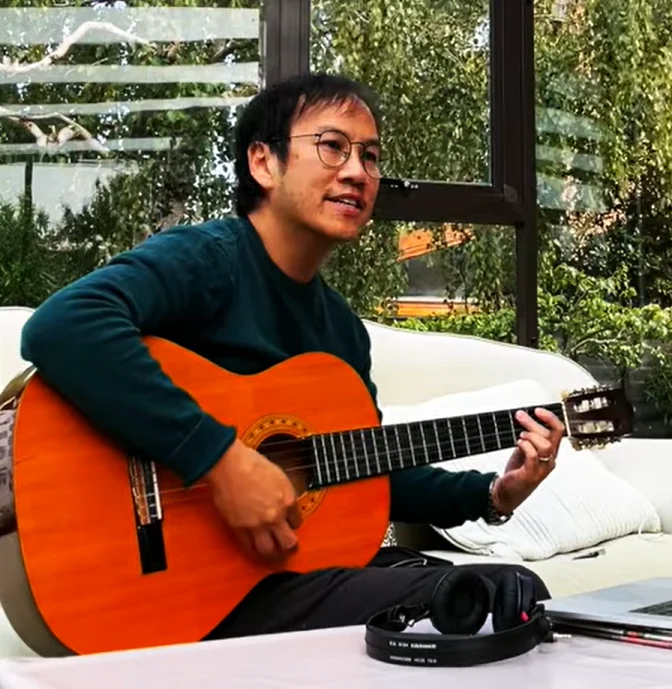
The Revd Mark Nam, vicar of St John the Evangelist in Woodley, was one of two winners of Sounds of the Church.

Revd James Dwyer finds running helps him reflect and serve his parish better
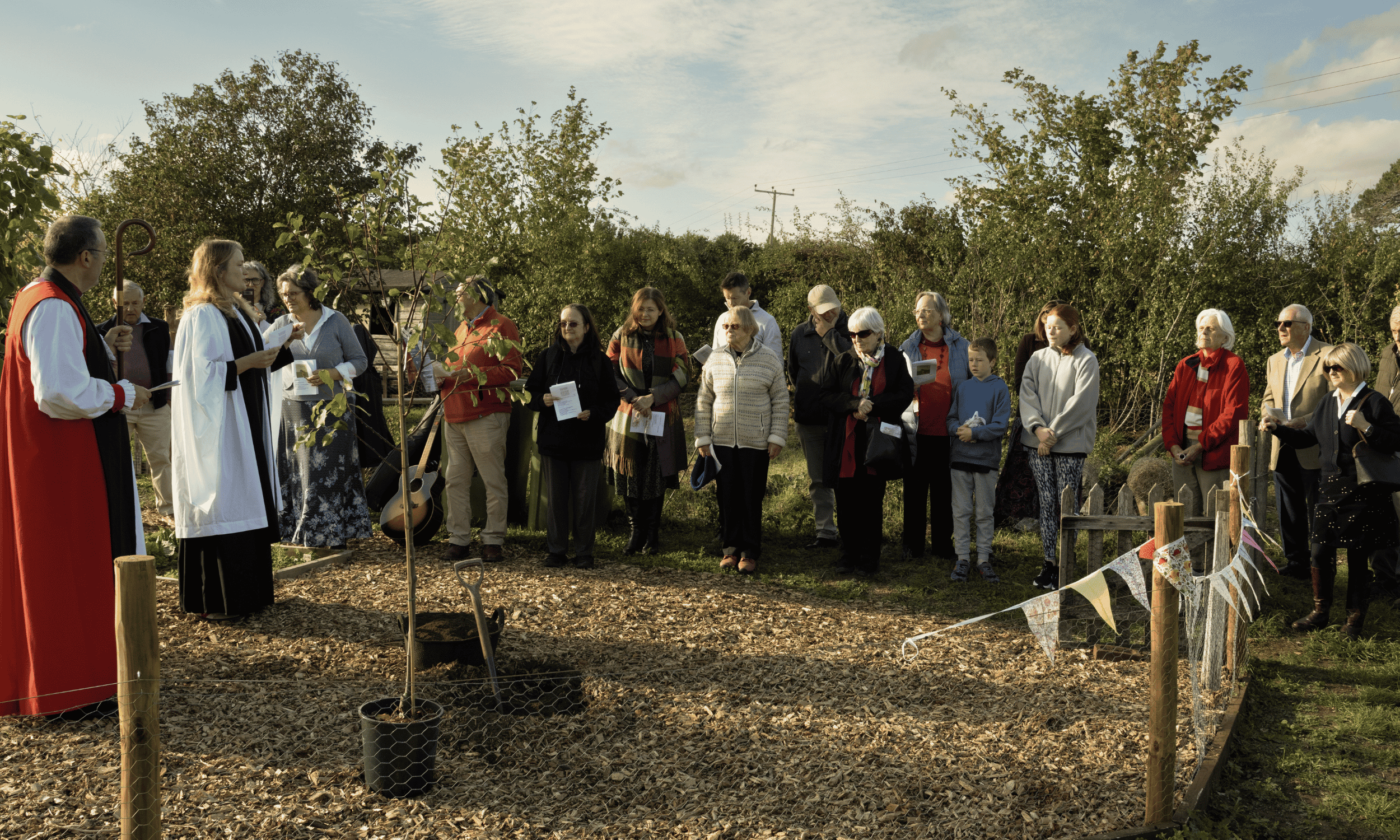
Bishop Gavin dedicates space that was created with help from diocese's Development Fund.
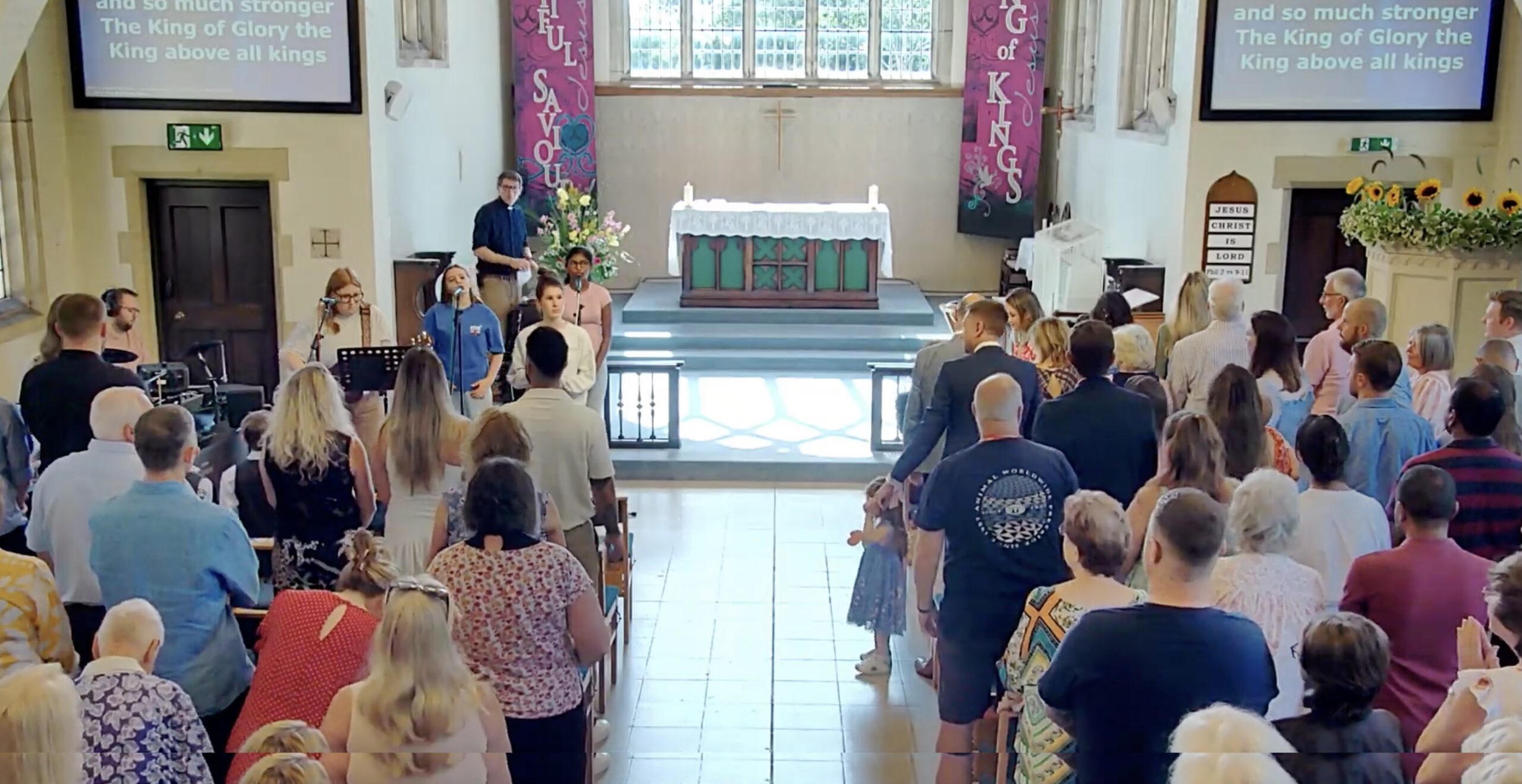
A vicar's challenge helped a congregation welcome 75 non-church members to services

The Oxford church where C.S. Lewis is buried is to host a weekend festival celebrating the author's enduring influence.