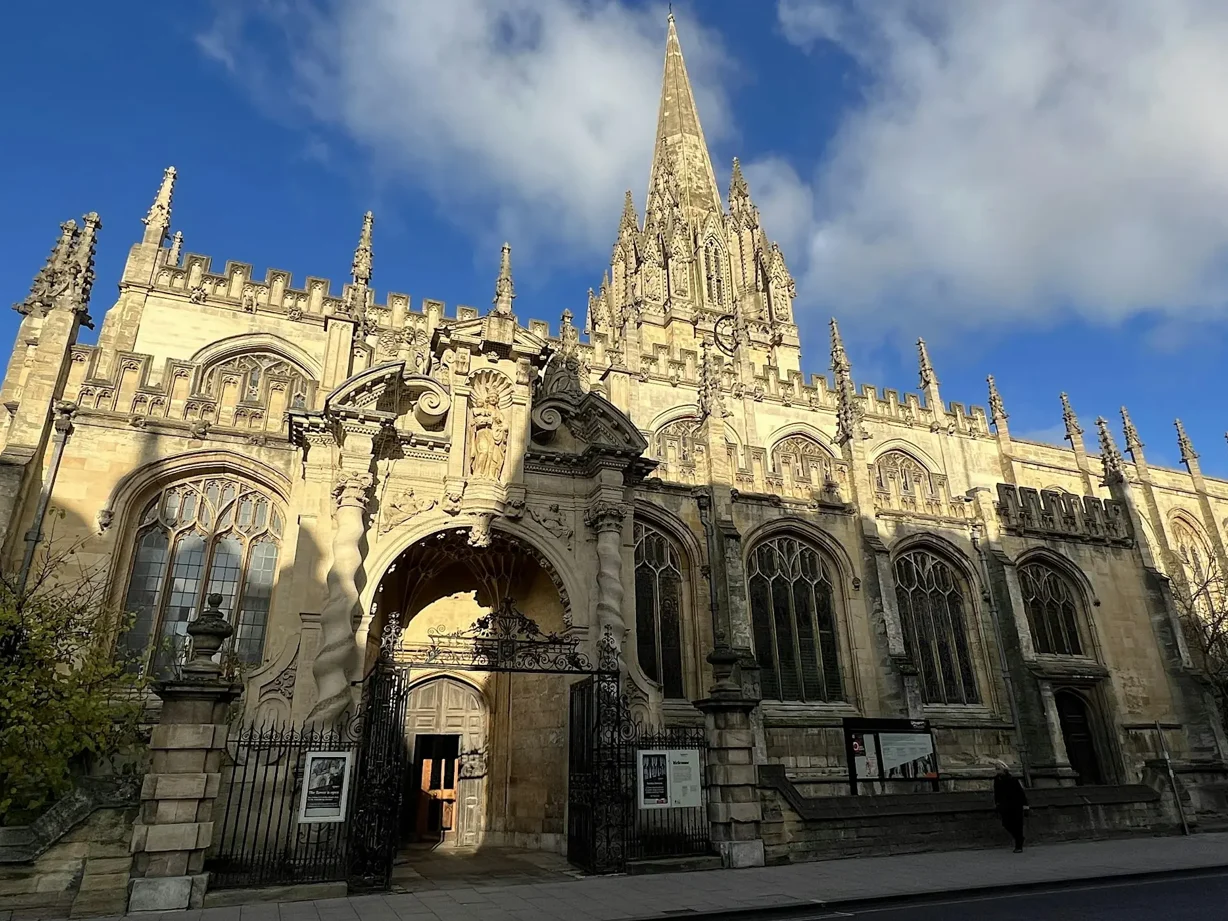
Survivors call for trust and integrity
Survivors of church-related abuse and safeguarding campaigners shared powerful testimonies at a public meeting in Oxford, challenging the Church to confront past failings.

The crisis in Afghanistan has been unfolding rapidly; you will have seen on the news the horrifying images of Afghans desperately trying to get on planes out of the country,…
The crisis in Afghanistan has been unfolding rapidly; you will have seen on the news the horrifying images of Afghans desperately trying to get on planes out of the country, people sharing how the Taliban are going door to door kidnapping individuals they deem a threat, and legitimate fears about the cost to human life and freedoms we are likely to see.
The UK government announced an initial resettlement plan for Afghan refugees. This is to be welcomed, but many have said this isn’t urgent or ambitious enough. There is more to be done.
People who have fled from Afghanistan are currently being temporarily housed in hotels across the country. The desire is to move people into permanent housing as quickly as possible. Finding suitable housing is a significant problem, one which many individuals and groups are trying to swiftly find solutions to.
One of the things we see throughout the Bible is the movement of people from one part of the world to another. God’s people are encouraged to welcome and care for those who are displaced or far from home. Provision is made in the Torah to ensure those on the edge of society can find food (Deuteronomy 14:28-29), that people who are new to a land are treated the same as existing citizens, and that strangers are not ill-treated or taken advantage off (Exodus 22:21).
In the New Testament we are encouraged to accept strangers with open arms, to treat them as equals (Colossians 3:11) and to offer hospitality (Romans 12:13).
As Christians, we are called to be beacons of hope and people of welcome to all. Now, more than ever, we are being asked to hold these values before us and extend the hand of welcome to fearful and terrorised people.
Here are three ways in which you can respond:
You can also read this helpful toolkit for supporting Afghan refugees from the Church of England which summarises the context, organisations to support, and other ways to offer help.
The Revd Liz Jackson, associate archdeacon of Berkshire, speaks to BBC Radio Oxford’s Lilley Mitchell about how churches and Christians can play their part.
“It’s about… local churches and local community groups offering places where people can feel safe, where they can learn English, where they can make friends…”
Watch this video from Krish Kandiah and Oxford charity Homes with Purpose, share it in your Sunday service and register for an information evening.
Survivors of church-related abuse and safeguarding campaigners shared powerful testimonies at a public meeting in Oxford, challenging the Church to confront past failings.
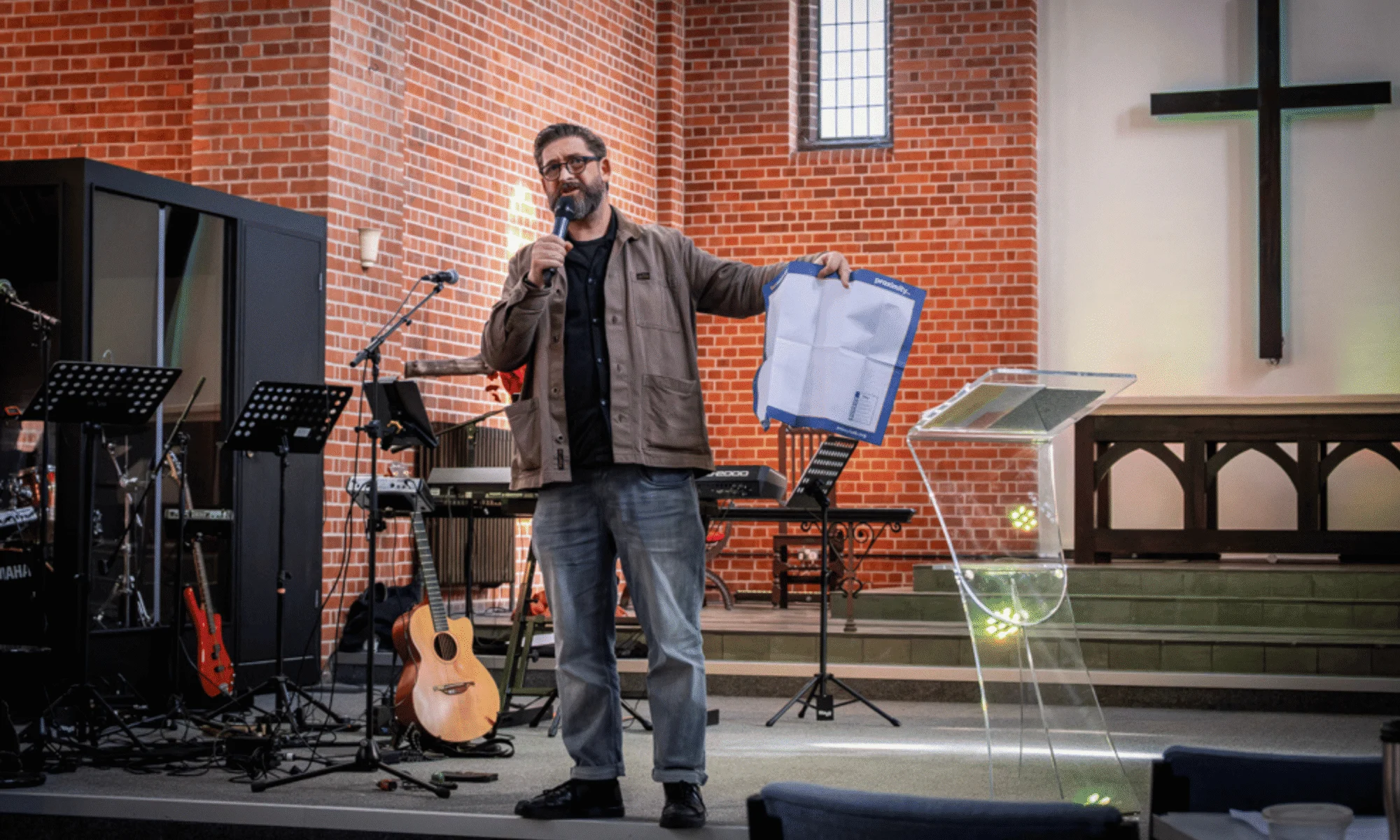
Church leaders and volunteers gathered to explore how churches can recognise and nurture the gifts present in the communities they serve.
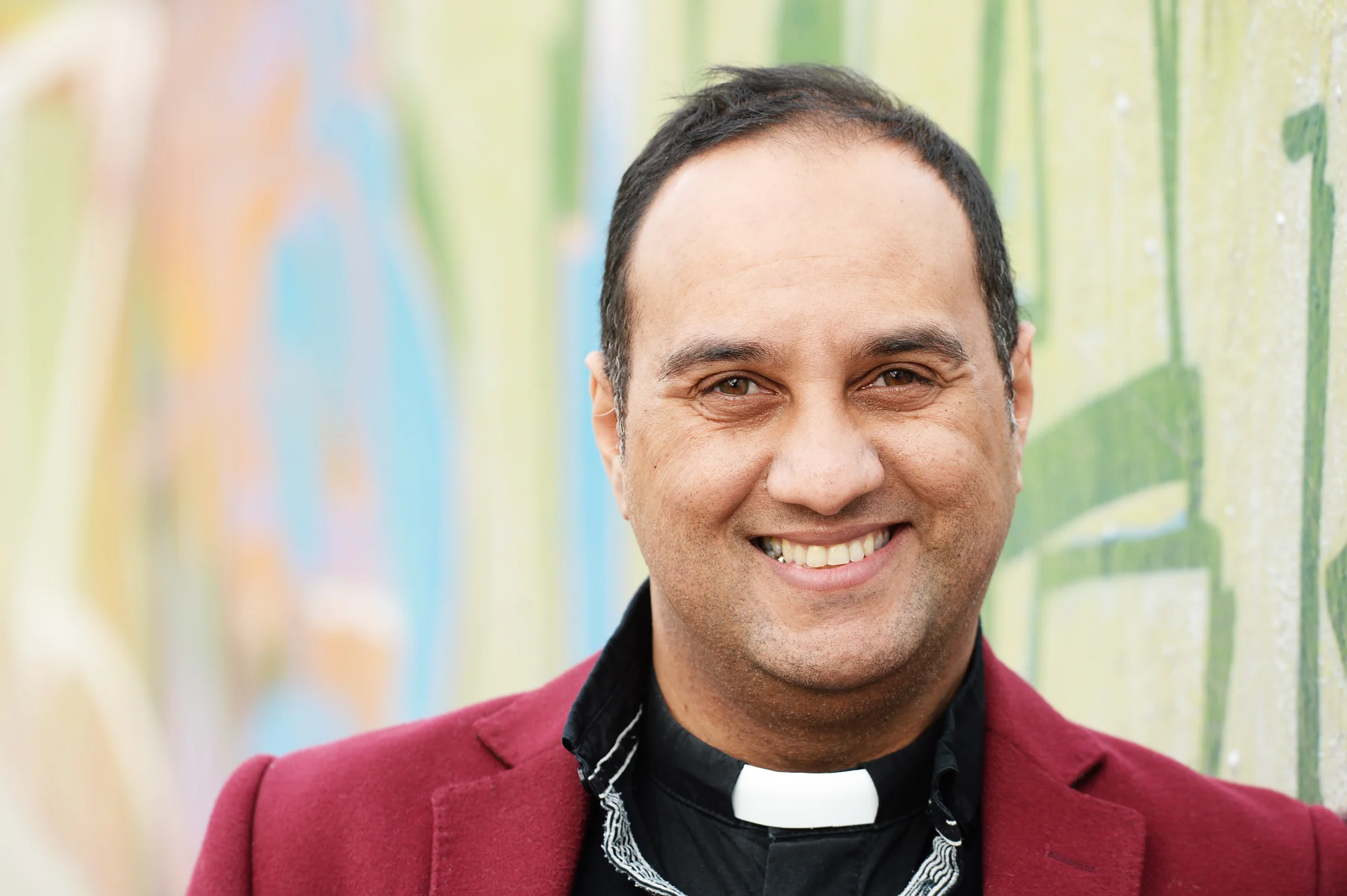
During Black History Month, the Revd Peterson Feital reflects on why the Church still needs to talk about race, belonging and the contributions of Black and Brown clergy.
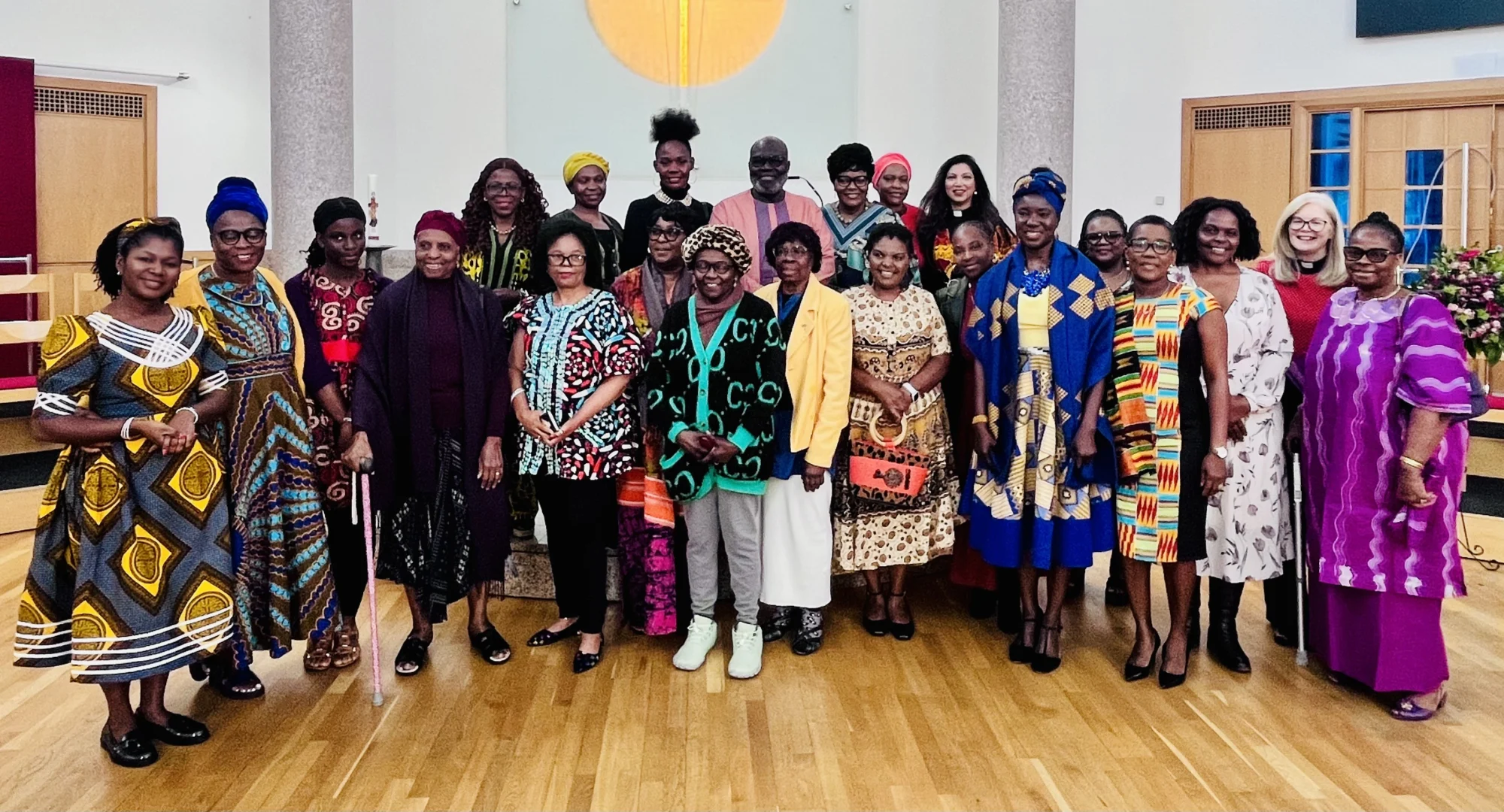
Event at Christ the Cornerstone Church celebrates African culture as part of Black History Month.
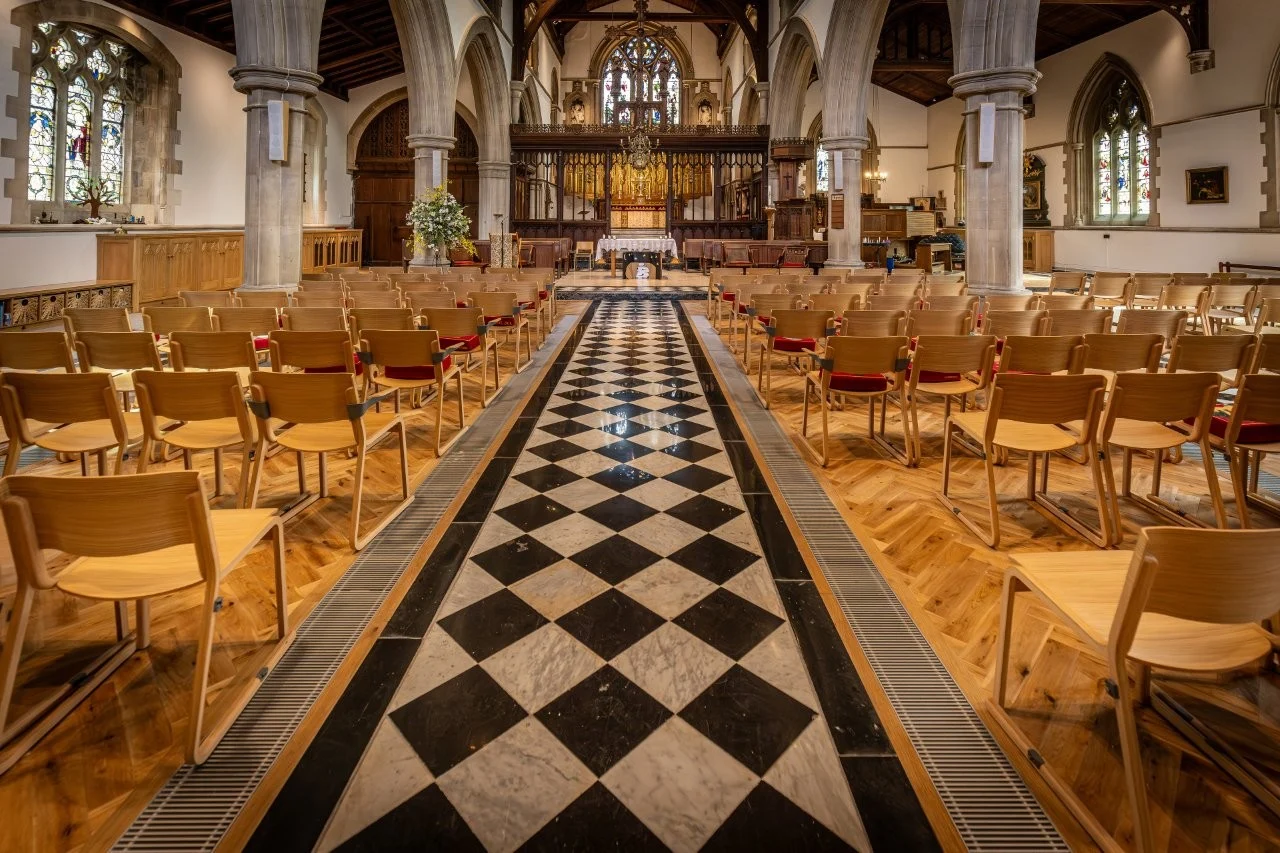
St Margaret’s Church in North Oxford is one of the finalists in the Oxford Preservation Trust Awards.
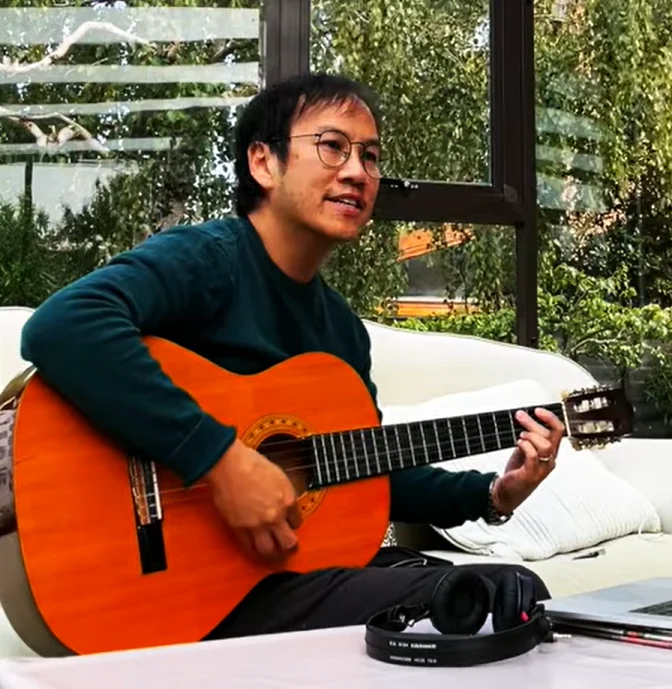
The Revd Mark Nam, vicar of St John the Evangelist in Woodley, was one of two winners of Sounds of the Church.

Revd James Dwyer finds running helps him reflect and serve his parish better
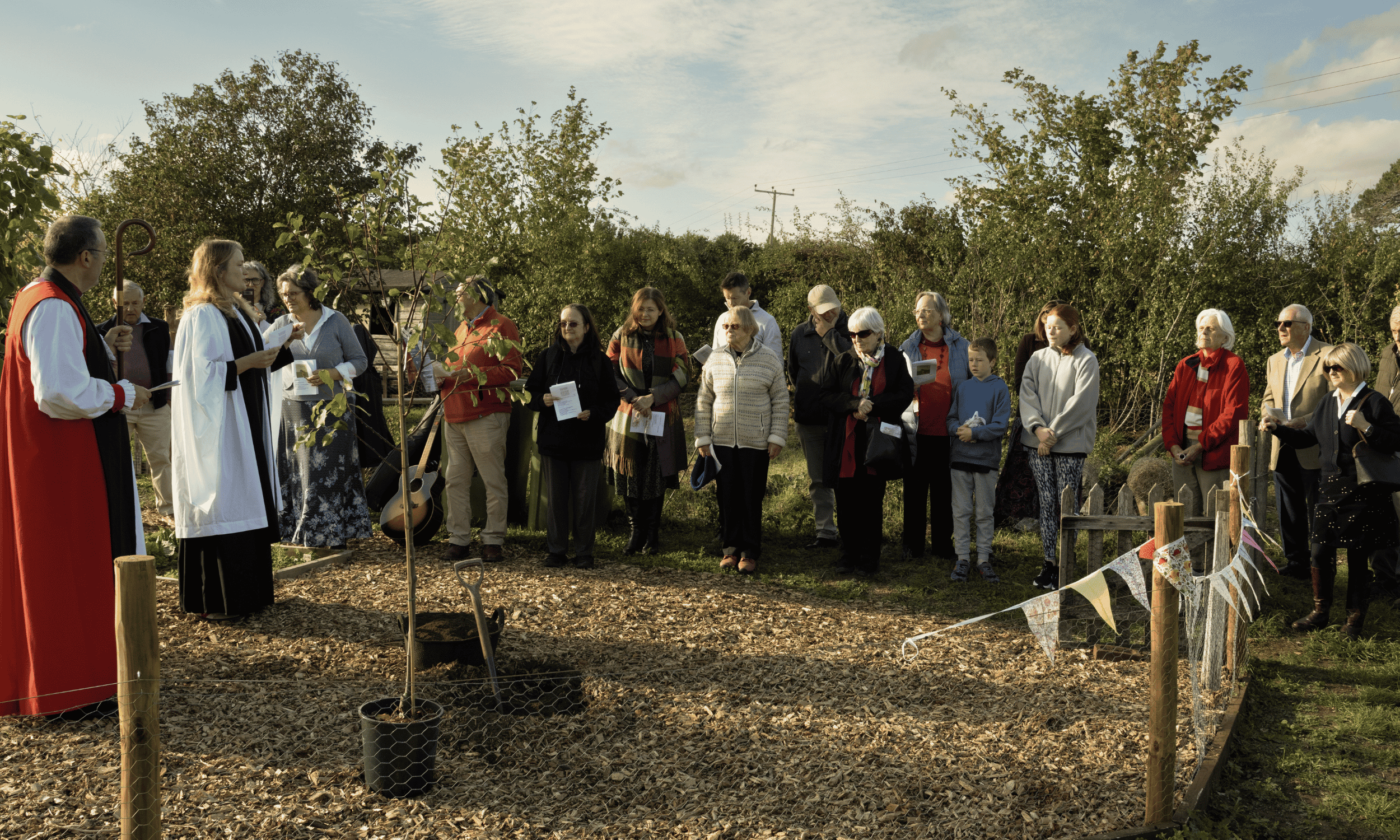
Bishop Gavin dedicates space that was created with help from diocese's Development Fund.
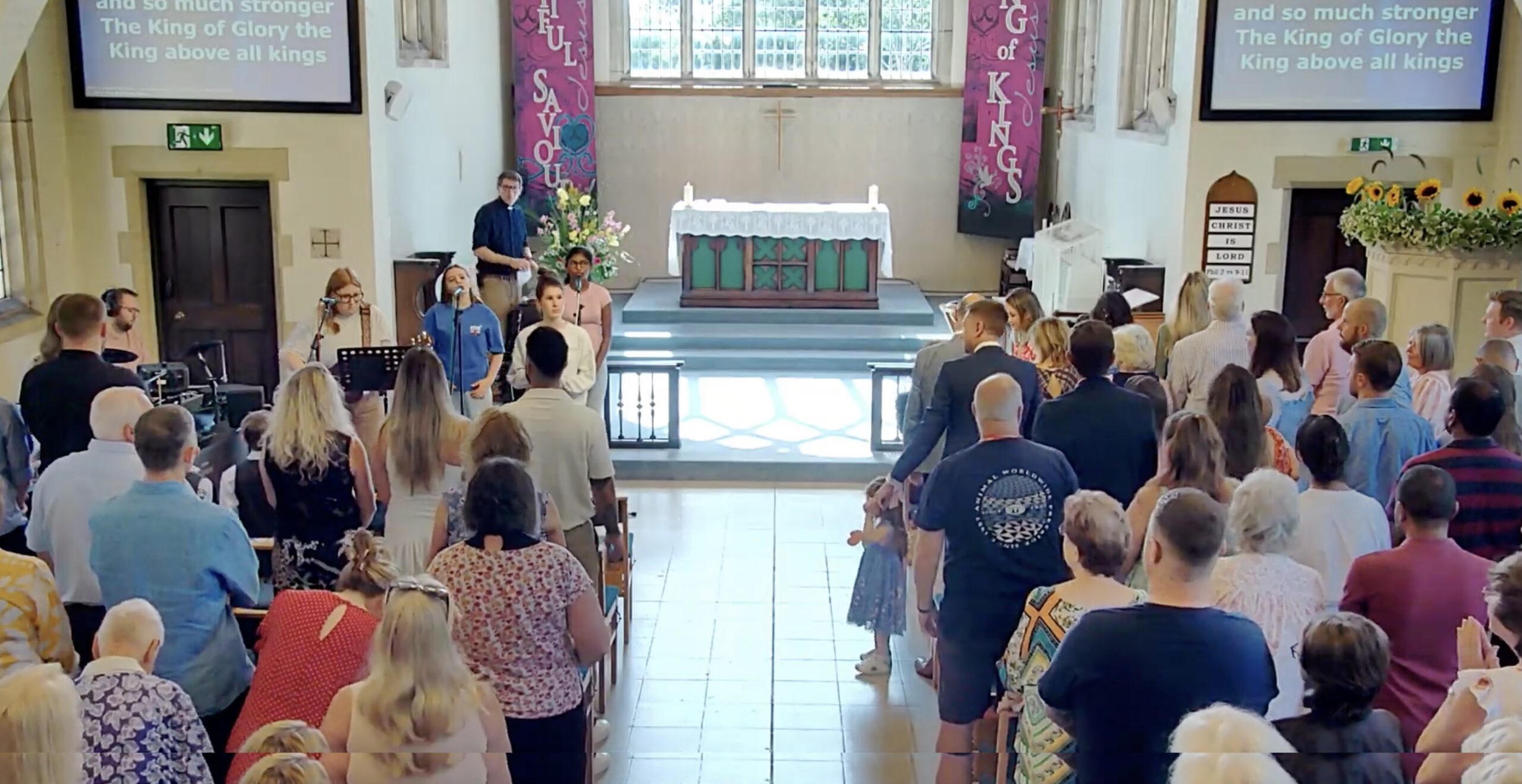
A vicar's challenge helped a congregation welcome 75 non-church members to services

The Oxford church where C.S. Lewis is buried is to host a weekend festival celebrating the author's enduring influence.