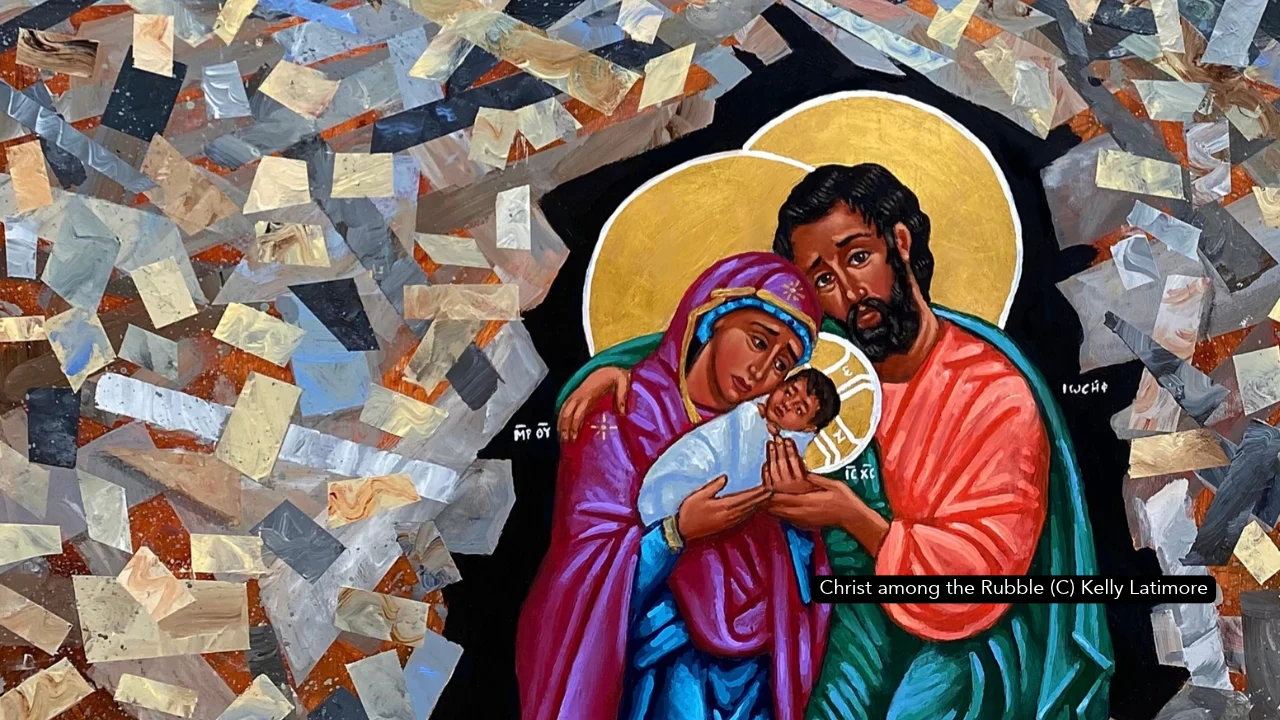

‘Find spaces where you can make a difference’
‘Be as salty as you can be’ is message to more than 60 young people gathered at town's monthly pop-up youth cafe.

Social Justice Advisor Hannah Ling and Revd Ayo Audu share a moving reflection of hope in the waiting for the first week of Advent.
Advent is a season of expectation, hope and preparation as we look towards the celebration of Christ’s birth and reflect on what his coming means for us and for our world.
This year, we’re sharing reflections alongside parish stories. You can see more stories, prayers, and discussion points for small groups and individuals on the Learning Hub.
Watch the video or read the reflection below.
Expectation, hope, yearning for change, a deep desire for a better world. These are all words or phrases we’d use to describe the period of Advent. As we enter the next four weeks, we put ourselves in this mindset of waiting, preparing ourselves for the birth of Jesus, reflecting on who he was and became and what he did during his life, death and resurrection.
When we look at the world around us, we can easily find ourselves hoping and yearning for the world to be different. For poverty and inequality to be erased, for fair and compassionate governments to rule, for healing for our bodies and renewed mental health, for better opportunities and fairness for those we love, for an end to the bloody wars around the globe, for reconnection and social cohesion across diversity, for our own lives to be better and for us to know God’s presence more closely. We may often find ourselves asking, how long, o Lord? Just like David did in the Psalms.
The Jewish people were yearning in similar ways as they waited, hoped and prayed for the arrival of the promised Messiah, someone they believed would set everything right. In Isaiah 9 verses 2 to 7, we read of a prophetic vision of who the coming Messiah would be:
The people walking in darkness have seen a great light. On those living in the land of deep darkness, a light has dawned. You have enlarged the nation and increased their joy. They rejoice before you, as people rejoice at the harvest. As warriors rejoice when dividing the plunder.
For as in the day of Midian’s defeat, you have shattered the yoke that burdens them, the bar across their shoulders, the rod of their oppressor, every warrior’s boot used in battle, and every garment rolled in blood, will be destined for burning, will be fuel for the fire.
For to us a child is born, to us a son is given, and the government will be on his shoulders, and he will be called Wonderful Counsellor, Mighty God, Everlasting Father, Prince of Peace, of the greatness of his government, and peace there will be no end.
He will reign on David’s throne and over his kingdom, establishing and upholding it with justice and righteousness. From that time on and forever, the zeal of the Lord Almighty will accomplish this.
Here we hear of the prophet Isaiah’s foretelling of someone who brings light to a world full of darkness, brings joy, rejoicing, peace and abundance, provides freedom from oppression, is more powerful than governments and regimes, and upholds justice and righteousness.
About 700 years of waiting passed between this prophecy and Jesus’ birth. 700 years of waiting, hoping, and yearning for things to be different.
Times of waiting and of yearning for change are key elements of community organising methodology too. Community organising is about bringing people together to build collective power, to take action and find solutions on issues of common concerns and social injustice.
Community organising is one model to enact change and is centred around the importance of community relationships to build collective power. It believes that it is vital to have people with lived experience sharing their stories and leading campaigns.
Reverend Angus Ritchie is significantly involved in community organising in London, as well as supporting churches to get involved across the UK. In his report, People of Power, Angus expresses how it’s not enough for the church to have a heart for the poor. Instead, he says, the poor must be at the heart of the church.
Angus observes how engaging in community organising recalls the church to that vision, placing those who experience injustice at the heart of the struggle for social justice.
When we work together for change, through community organising or other routes, we don’t usually get what we ask for immediately. This means there’s a waiting period of yearning and of hoping. But this waiting doesn’t have to be passive or empty.
In community organising, this time is about many things. Building relationships, raising leaders, research, planning, campaign action, and negotiating with decision makers. But even active waiting like this requires patience and persistence.
In the context of Advent, we can reflect upon how our waiting for the birth of Jesus is also a kind of active waiting. We anticipate Jesus’ coming and reflect on the huge shift this brought for humanity. The people of God had been waiting a long time for this Wonderful Counsellor, Mighty God, Everlasting Father, Prince of Peace.
Today you may find yourself yearning and hoping for a restored world, or wondering how to be part of bringing something of the kingdom of God to earth. You may already be involved in ushering in that better world, shining light in shadowy places, and being God’s hands and feet. In this active time of waiting during Advent, let us ask for the Christ child, Jesus, to be present among our yearning, for things to be restored and transformed, and in our patient and persistent pursuit of a better world.
The Revd Ayo Audu, Associate Minister at St Frideswide’s in Water Eaton, Milton Keynes, shares a powerful story of community organising.
Social and economic justice have been live topics for us. I have lived and worked on a local new housing estate for the last couple of years and it’s been fascinating, engaging with the times of waiting, and yearning for change as experienced by the local residents. When the developer promises to provide access for your local estate and all of that turns into hot air, there’s a real sense of injustice and a longing for change.
How we have engaged with that as a church has been listening to the community, and bringing the community to come together to engage with the local council to put forward a pedestrian access that is accessible all through the year. Once that had come into place and the local community began to realise just what power it had to compel change, it was easy to garner signatures for a petition from across the estate to compel the developer to live up to its commitment to put in place a bridge over the local river.
Waiting for that bridge entailed work with the local residents association who led meetings monthly over more than a year to get the developer to live up to its commitments. That was difficult. That was painful. That was long – the waiting.
But when you are a Christian, you believe in the power of the Holy Spirit and the conviction that the Holy Spirit will bring about the change that the Holy Spirit has always intended to establish. And that gives you hope for the waiting. So it’s a delight to celebrate the work of the community that has come together to champion change, even as a new bridge has been opened.
Are you already involved in initiatives, projects or tasks that are helping build a better world through growing community or responding to poverty? Take a moment now to pray for this work, the people at the sharp end of poverty or injustice and all those you’re working alongside as you seek to alleviate suffering and find solutions to injustice.
If you’re not currently involved in anything of this nature, consider how or where God might have opened a door for you to get involved. How might you be part of the beautiful tapestry of God’s people bringing flourishing, seeking justice and embodying Jesus?
For some ideas of where to start, have a look at the poverty and inequality pages of the website.
This reflection and much more are available for free via the Learning Hub course Hope Among the Rubble. You’ll also find resources for running this course in a small group in your parish.
‘Be as salty as you can be’ is message to more than 60 young people gathered at town's monthly pop-up youth cafe.

White Ribbon Day is an international campaign observed annually on 25 November, calling for the elimination of all violence against women and girls.
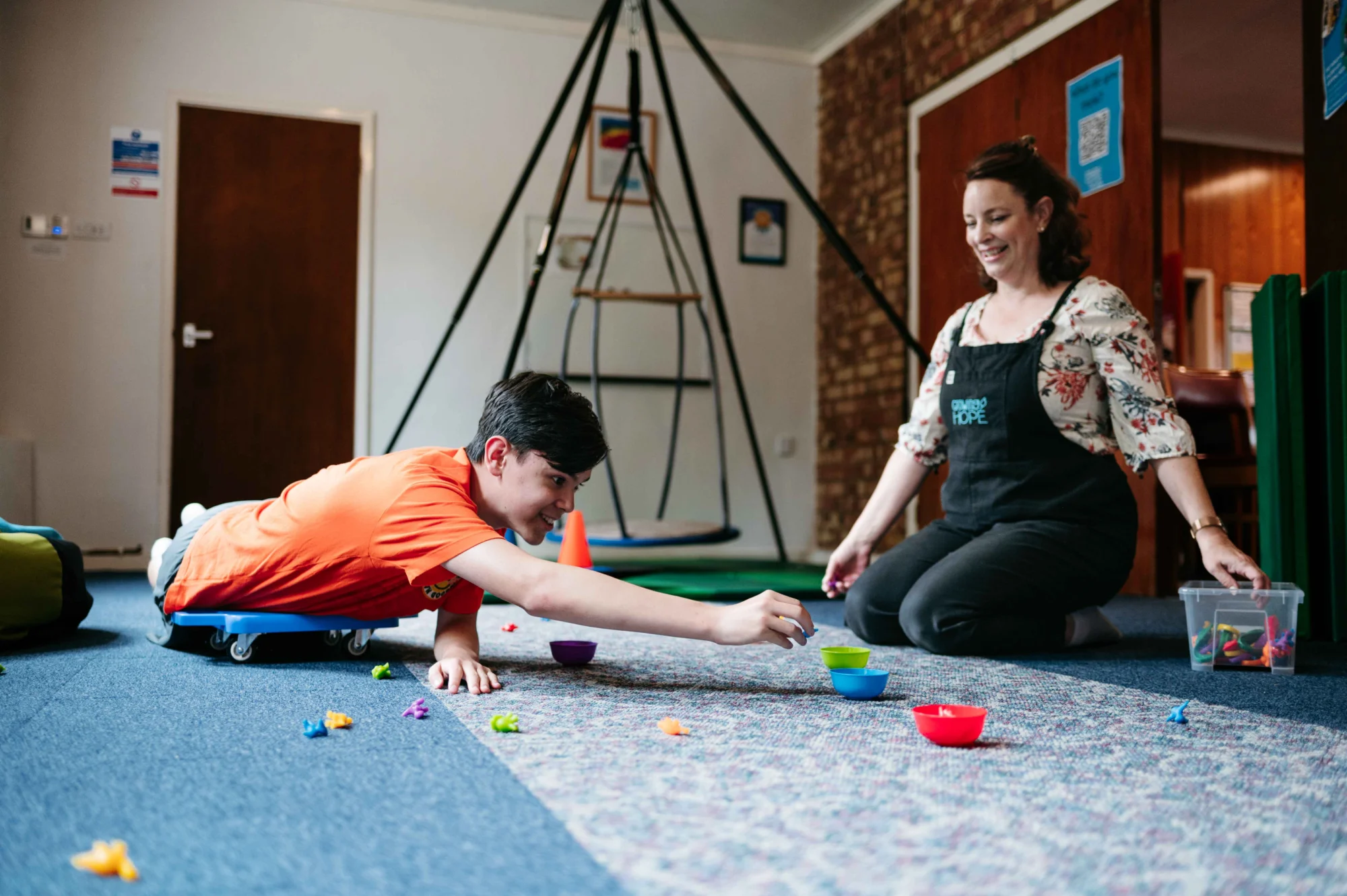
What happens when a church opens its doors to families who may never otherwise walk through them?
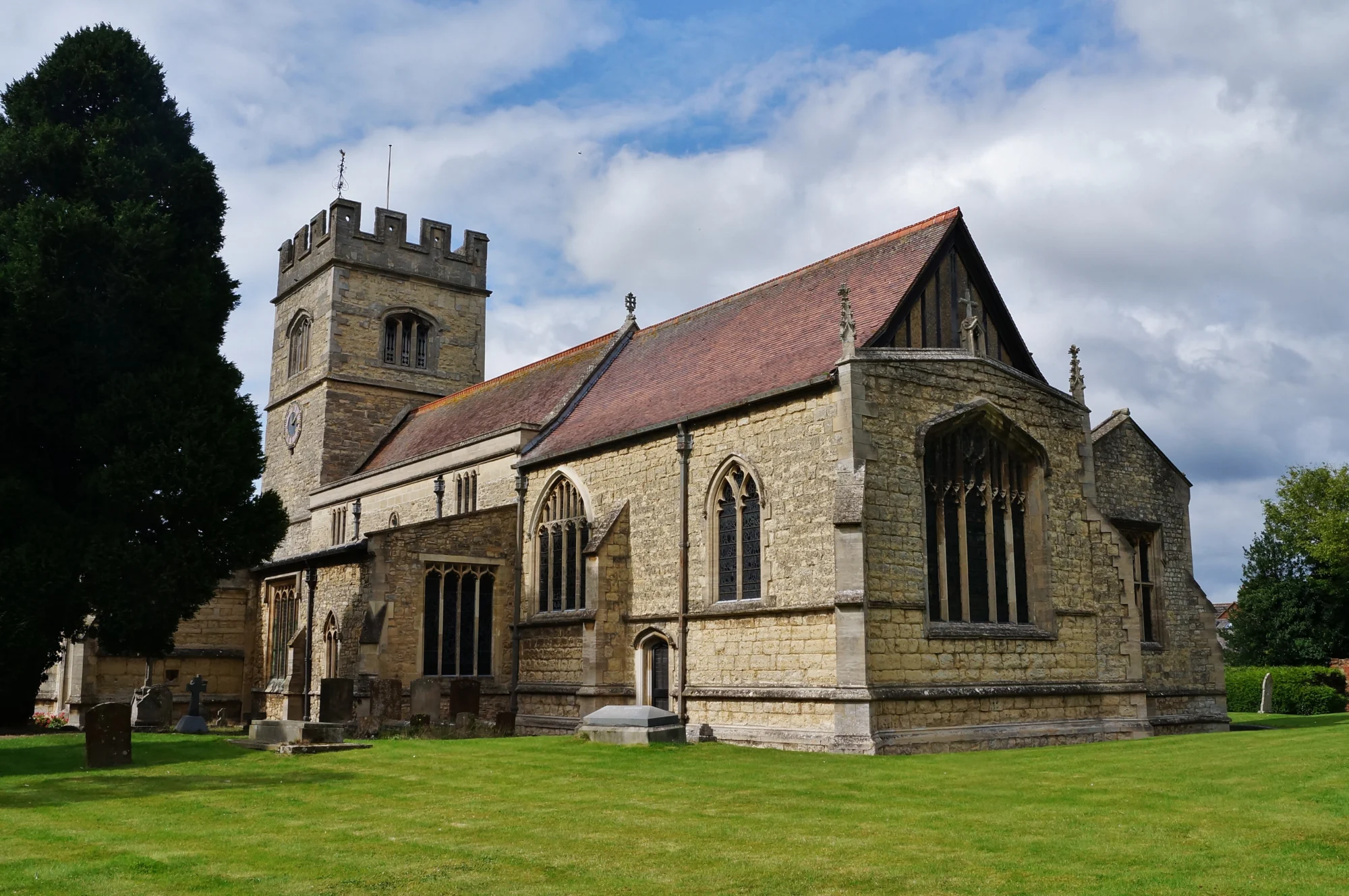
A collection of more than 150 Nativity scenes owned by Libby Purves will go in display at St Laurence Church in Winslow next month.
Around 120 people attended Diocesan Synod to explore how Christians can respond with hope and love to the challenges facing our communities.
The Bishop of Reading says trepidation about addressing the issue of safeguarding is understandable, but that overcoming it might bring the humility that opens us to learning.
A new National Lay Minister Register will be published on the Church of England website at the end of January 2027.

Delight in Diocese of Oxford at Revd Dr Jitesh Patel's new role in North-East
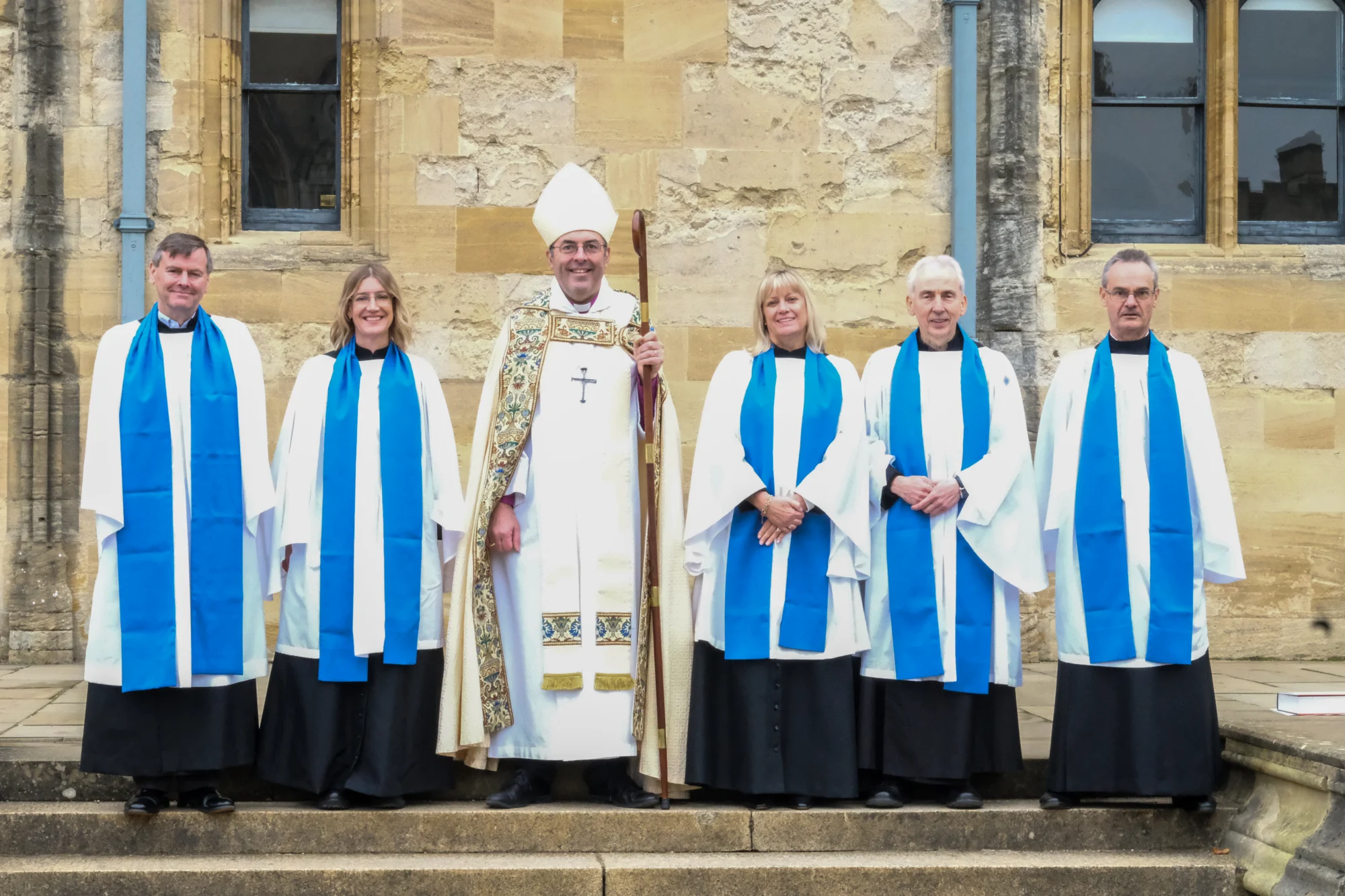
On Saturday we celebrated the admission and licensing of five new licensed lay ministers (LLMs) and the ministry of all LLMs across the diocese at Christ Church in Oxford.
Berkshire vicar on why her church's actions in the strange case of the burger van urn should be celebrated.