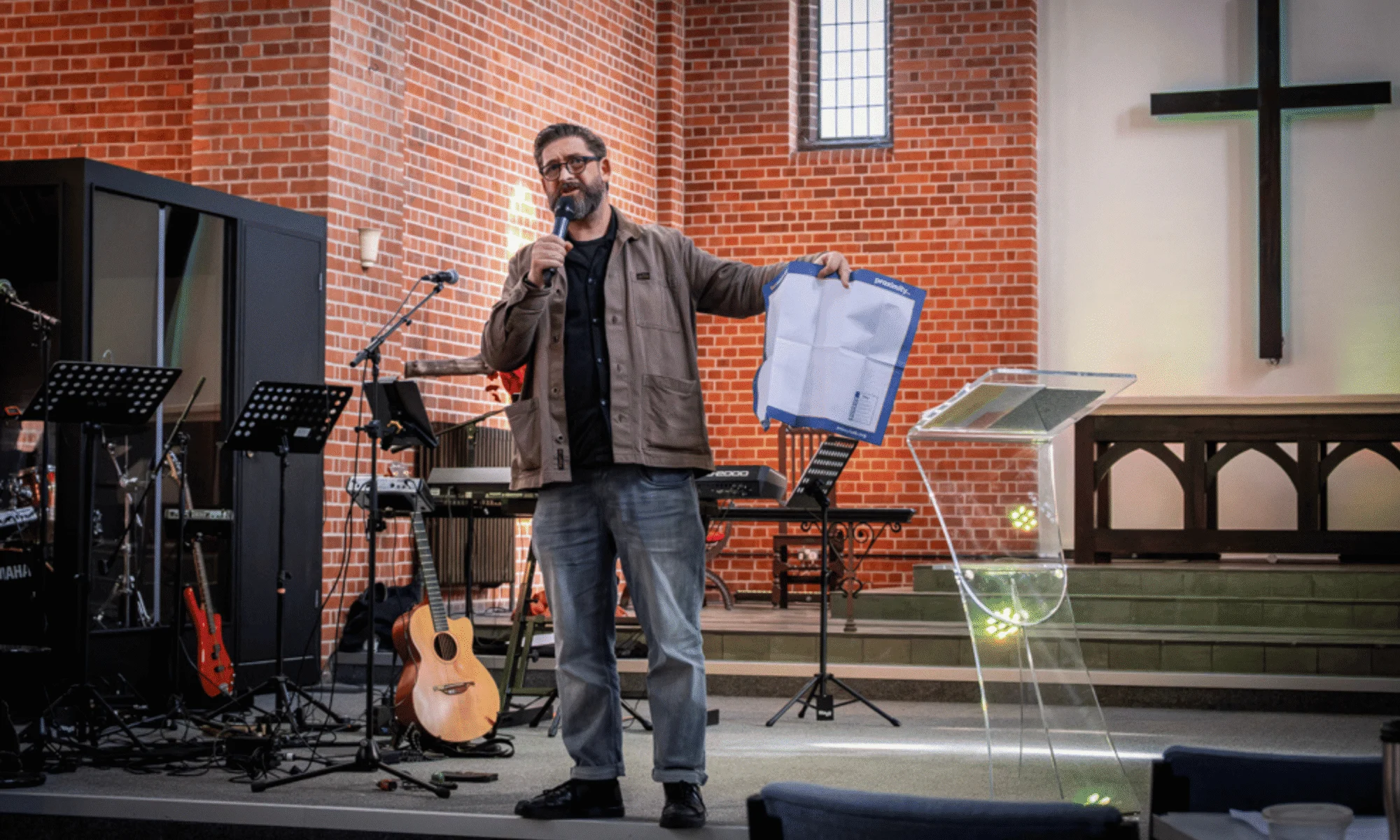
Celebrating the gifts in every community
Church leaders and volunteers gathered to explore how churches can recognise and nurture the gifts present in the communities they serve.

People across the Diocese of Oxford asked thoughtful, and sometimes difficult, questions about faith, as part of this year’s Come and See journey through Lent. In a special question and…
People across the Diocese of Oxford asked thoughtful, and sometimes difficult, questions about faith, as part of this year’s Come and See journey through Lent.
In a special question and answer session, The Rt Revd Dr Steven Croft and Generous Giving Adviser Joshua Townson responded to a wide range of topics. Questions ranged from the meaning of communion to how Christians should respond to global conflict.
This year’s theme was discovering Jesus through the Eucharist, also known as Communion. Communion refers to the bread and wine that are given during many church services. They represent the sacrifice Jesus made when He died on the cross. The bread represents Jesus’ body and the wine His blood.
One of the first questions explored whether children should receive communion, and whether confirmation is required.
Bishop Steven encouraged parishes to welcome children, with the right preparation and agreement at local level.
He also clarified that, in the Church of England, baptism, not confirmation, is the key requirement for receiving communion.
A deeper theological question followed: when Jesus says, “this is my body”, should this be taken literally?
Joshua acknowledged that Christians understand this in different ways. But whatever the interpretation, he emphasised a shared truth:
Communion is about becoming the body of Christ together, the Church.
Another question tackled a common challenge: how to discern God’s will in everyday life.
Bishop Steven pointed to three key elements:
He stressed that discernment is rarely done alone, but through community, reflection and guidance.
Some of the most searching questions focused on how Christians understand God.
One asked how to reconcile the idea of the wrath of God with a belief in a loving God.
Both speakers acknowledged the complexity. Bishop Steven suggested that, rather than focusing on wrath being satisfied, it can be more helpful to see Jesus’ death and resurrection as restoring a broken relationship with God.
At the same time, he noted that anger at injustice and suffering is not incompatible with love: “God’s anger can be understood as a response to what is wrong in the world, alongside deep love for creation.”
A number of questions reflected concern about the state of the world, particularly conflict in the Middle East.
Joshua said Christians are called to take sides in terms of justice and peace, rather than violence: “The first word of the resurrection is peace.”
Bishop Steven agreed, but highlighted the complexity and sensitivity of modern conflicts. He cautioned that:
He encouraged Christians to:
Another honest question asked whether becoming a Christian should bring a clear emotional change.
The answer: not necessarily.
Both speakers reflected that faith can begin in different ways. Sometimes with a powerful moment, sometimes as a gradual journey. What matters is a growing relationship with God over time.
In a diverse society, this question resonated strongly.
Bishop Steven was clear that the starting point is always love of neighbour. Christians are called to:
The final question addressed a live issue for many churches: how to hold differences of opinion alongside a commitment to inclusion.
Bishop Steven said he does not see these as opposing ideas. Instead, he pointed to the example of Jesus and the teaching of St Paul: “Because we see in part… we need to continue to be charitable and inclusive and welcoming to everyone.”
He emphasised that welcome and love must come first, even where there is disagreement.
Thank you for journeying with us through Come and See.
It’s been a joy to explore so many themes together over the last six years and we hope you continue to deepen your faith and stay curious in the years ahead.
Come and See resources are still available should you find them useful.
Church leaders and volunteers gathered to explore how churches can recognise and nurture the gifts present in the communities they serve.
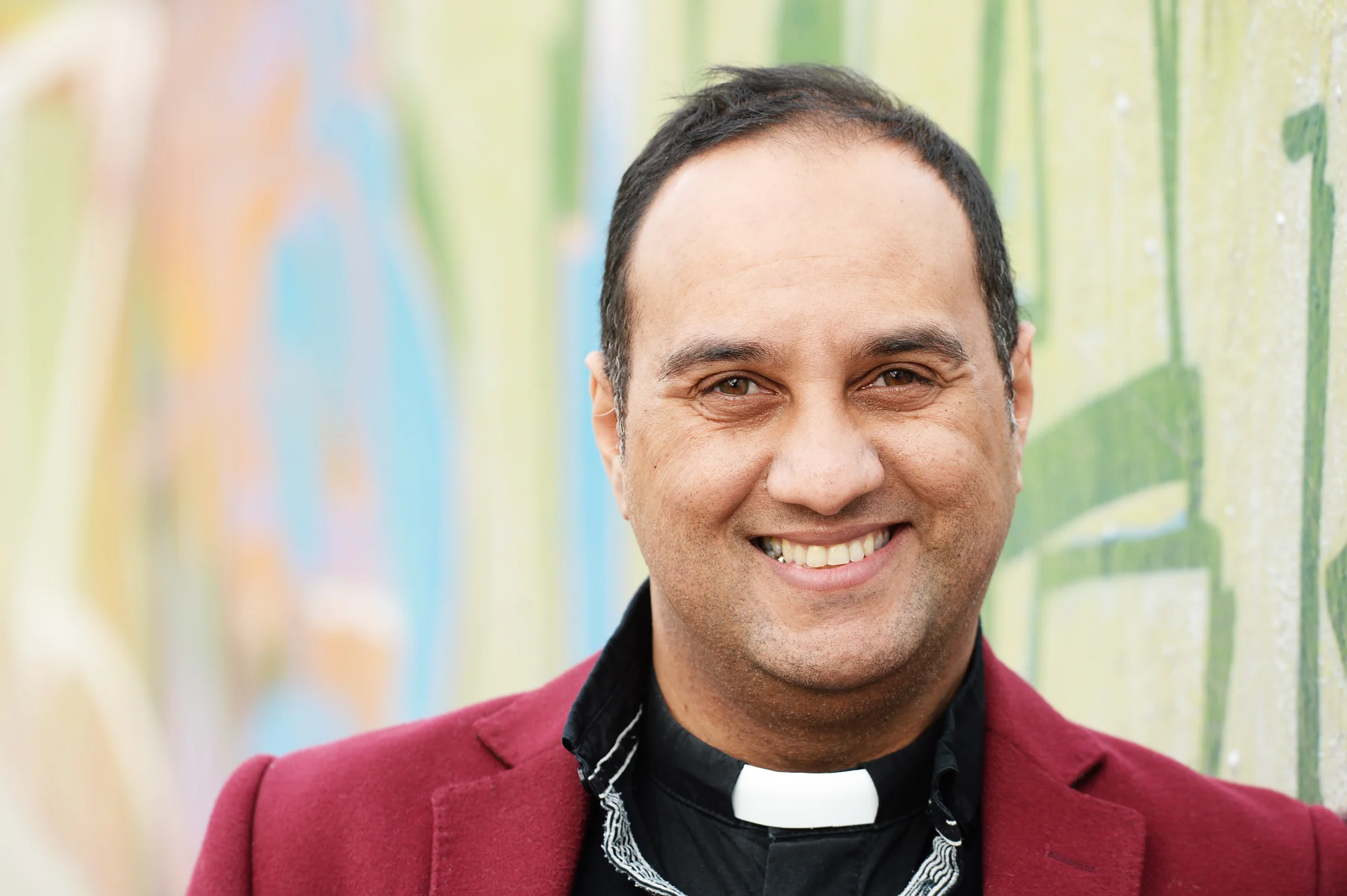
During Black History Month, the Revd Peterson Feital reflects on why the Church still needs to talk about race, belonging and the contributions of Black and Brown clergy.
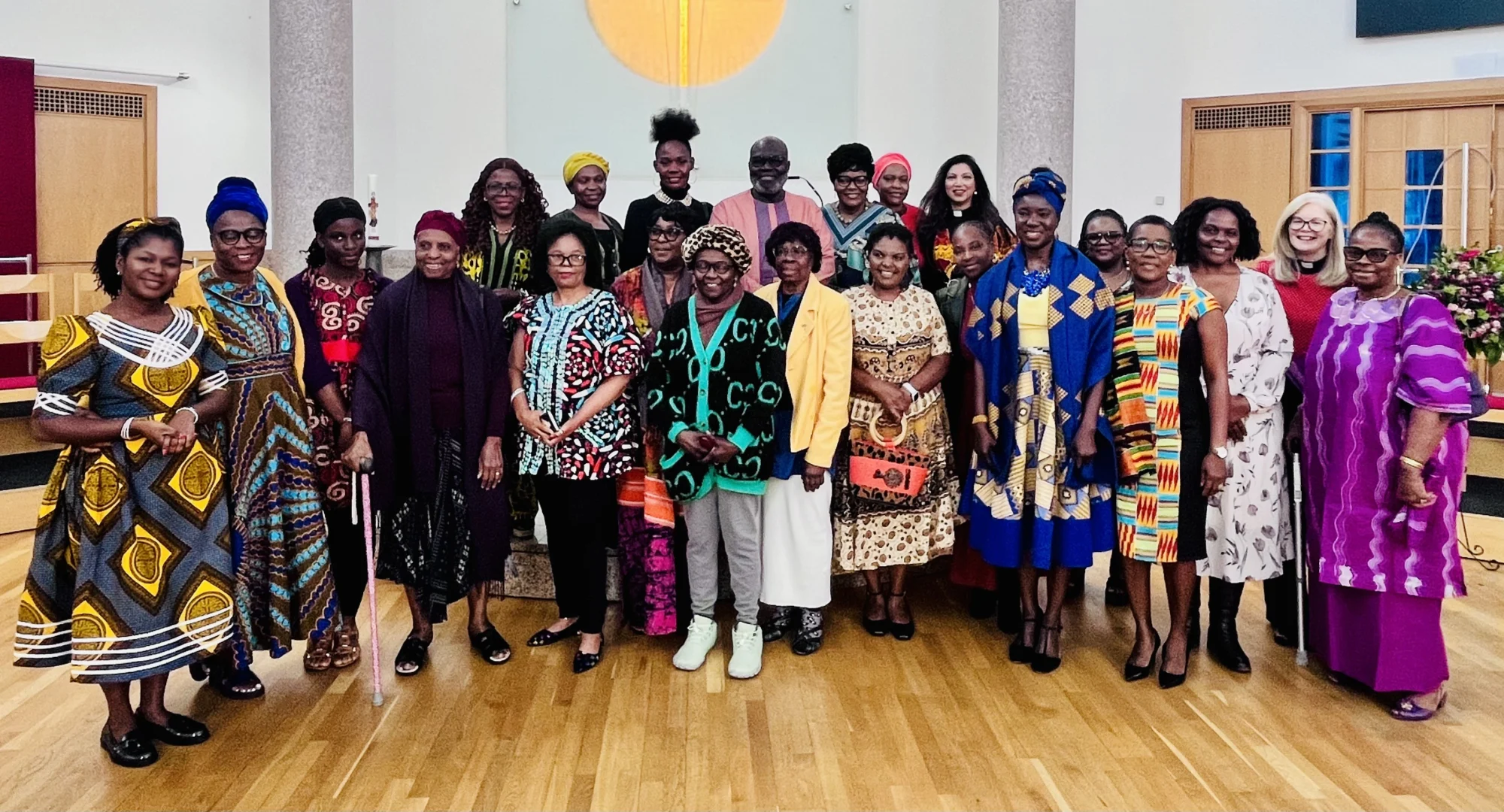
Event at Christ the Cornerstone Church celebrates African culture as part of Black History Month.
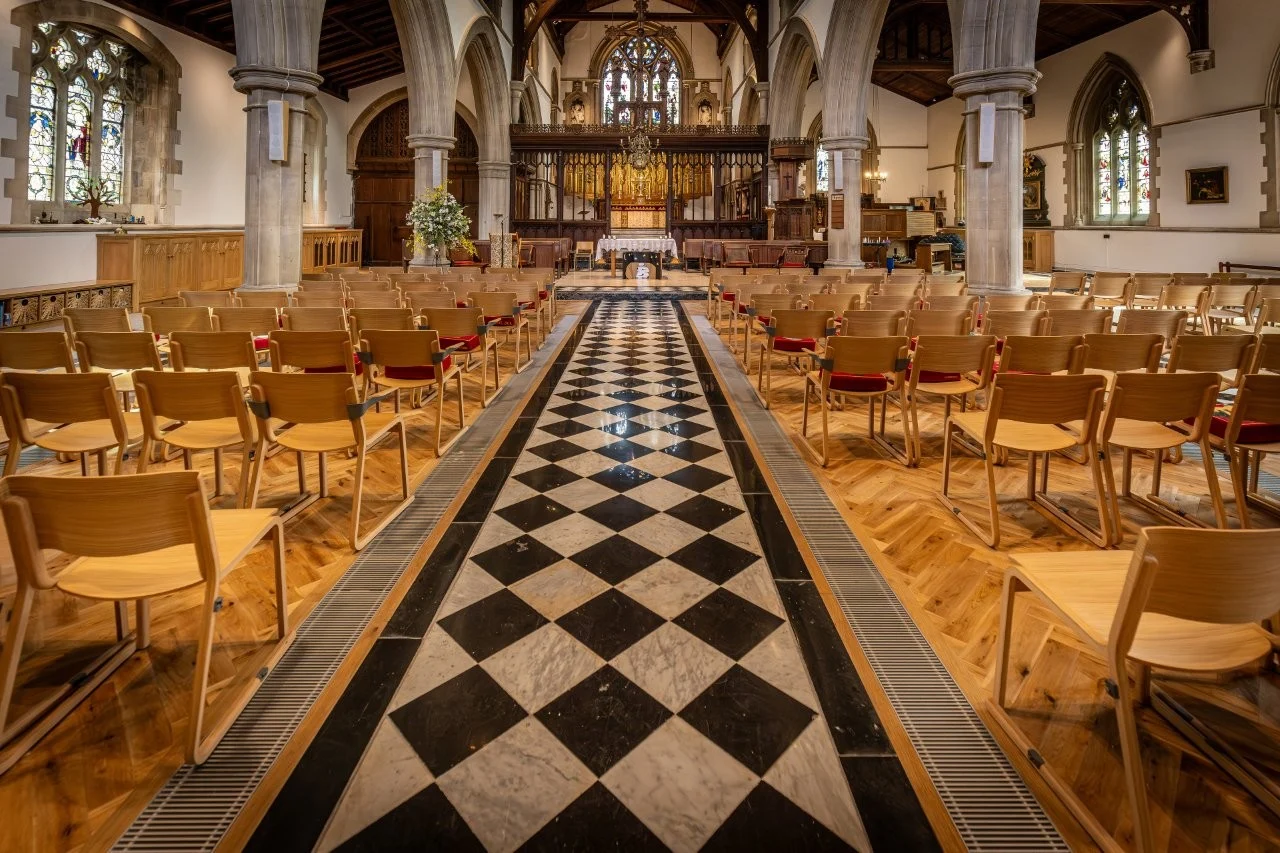
St Margaret’s Church in North Oxford is one of the finalists in the Oxford Preservation Trust Awards.
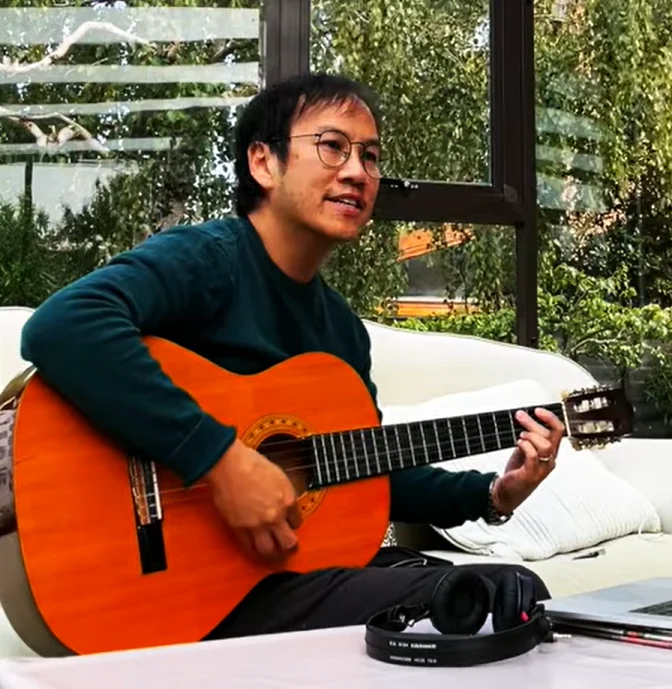
The Revd Mark Nam, vicar of St John the Evangelist in Woodley, was one of two winners of Sounds of the Church.

Revd James Dwyer finds running helps him reflect and serve his parish better
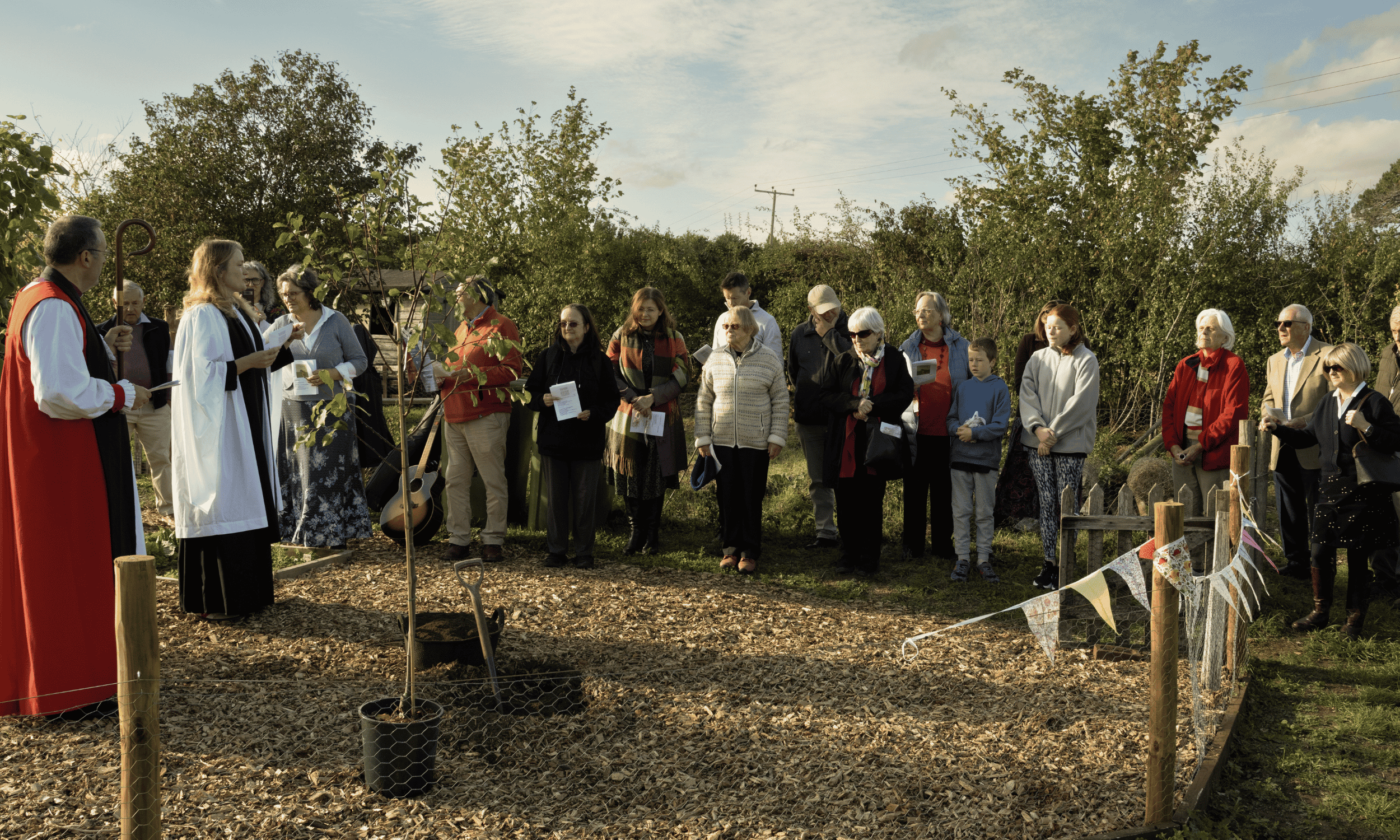
Bishop Gavin dedicates space that was created with help from diocese's Development Fund.
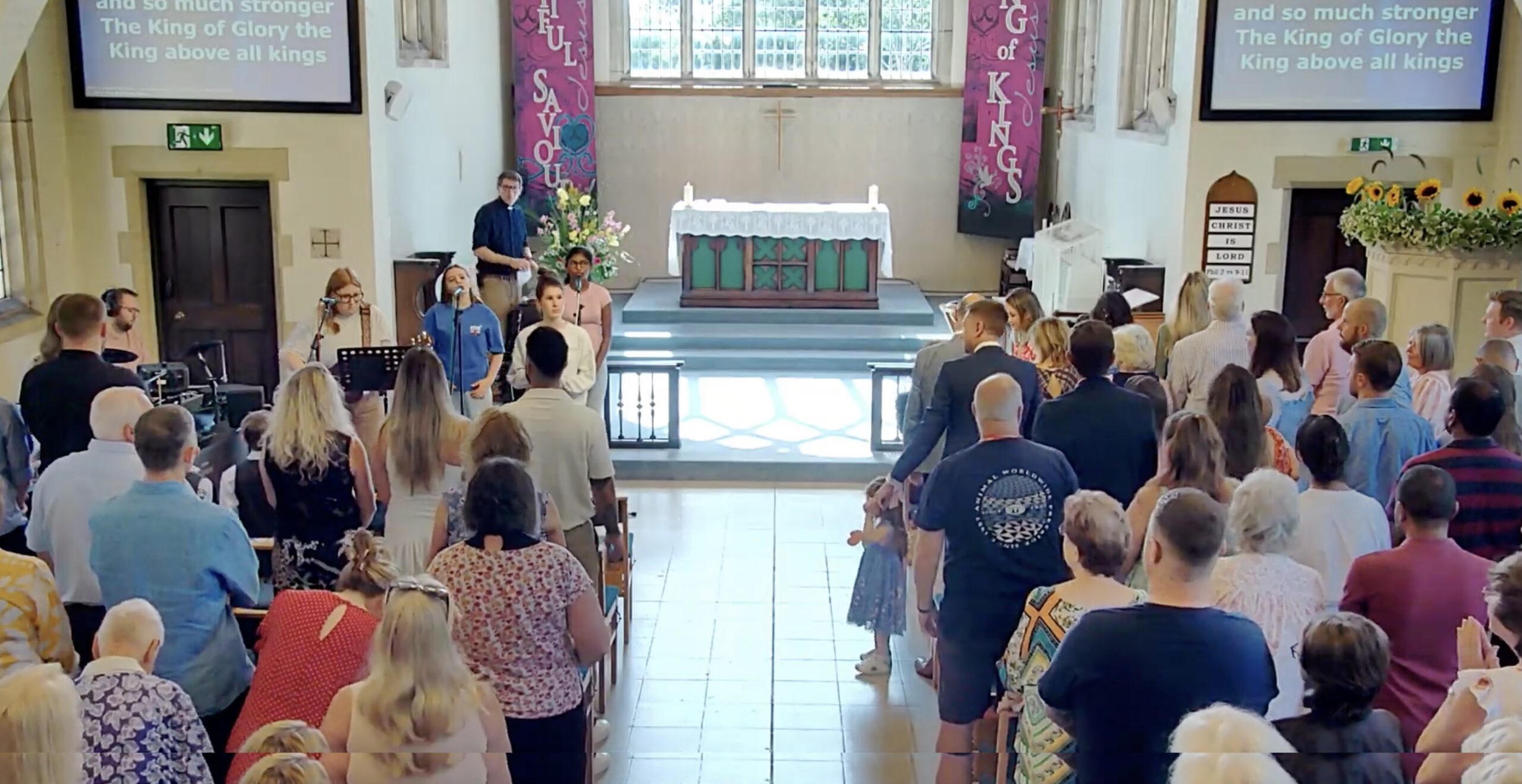
A vicar's challenge helped a congregation welcome 75 non-church members to services

The Oxford church where C.S. Lewis is buried is to host a weekend festival celebrating the author's enduring influence.

The Acting Bishop of Oxford spoke on Wednesday at a service to remember the events of 7 October 2023.