
Why Ministry Accompaniers?
As part of the diocese’s encouragement and support for healthy and sustainable ministry, the network of Ministry Accompaniers exists to act as a critical friend and external reference. They are there to help think through the issues you face in your role as minister, all within a confidential relationship.
Ministry Accompaniment is part of a healthy development of ministerial skills and practice. A Ministry Accompanier might provide coaching, or mentor you for a period of time, or to offer specific workplace consultancy in a particular area or specialism. Ministry Accompaniment is not just for when you are ‘finding things difficult’, or any indicaton of a failure.
Such issues could include vision setting, conflict resolution, small or major change, how you exercise your leadership, building and developing collaborative ministry, dependency problems, as well as more personal work issues such as changing jobs, time management, or achieving a better balance in your life.
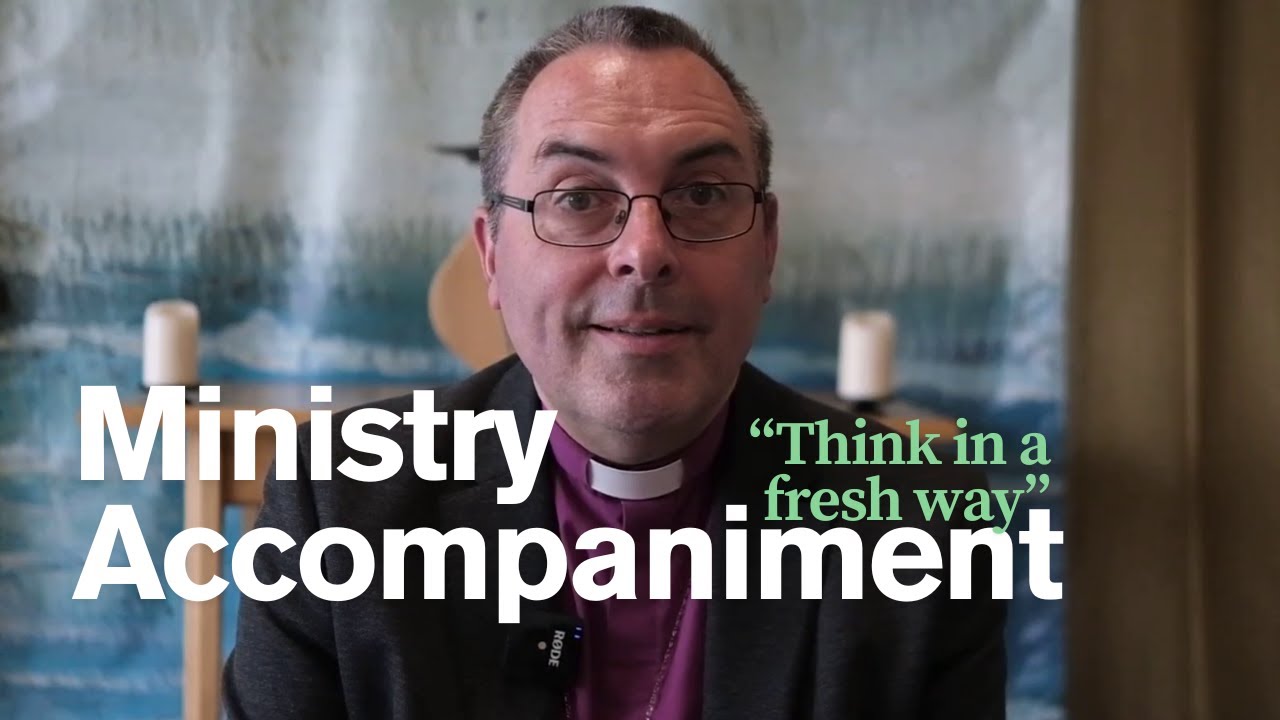
“How was it for you, Bishop Gavin?”
Watch this video to see what happened when Bishop Gavin worked with a Ministry Accompanier from our network…
“Calling in a ministry accompanier can feel threatening; it could look like I cannot do things myself. Having used three accompaniers over the last 11 years, I can only say they have been very positive, empowering experiences, facilitating real change in practice and consciousness.”
Team Rector, Berkshire Area
FAQs
Anyone in church leadership (lay or ordained) in Oxford Diocese can ask to work with a Ministry Accompanier. Ministry Accompaniment is also available for those in sector ministry within the diocese.
A Ministry Accompanier focuses on you in your role as minister in the context of your benefice/parish/team etc. They can offer an impartial perspective from outside that context, helping you to develop your ministerial skills or through a specific season. Note – Ministry Accompaniment is not therapy, or counselling and has a different focus from Spiritual Direction.
Ministry Accompaniment is forward-focused 1-to-1 support from an independent, skilled practitioner who has personal experience of ministry or who understands the Church of England parish context. A Ministry Accompanier is there to work with your ‘stuff’ in a safe, confidential* environment. Their aim, through attentive listening and challenging questions, is to enable you find greater clarity, identify possible ways forward and to move on. They may use a number of different skills or approaches, as appropriate, to support your thinking, eg coaching, consultancy or mentoring, but they won’t tell you what to do.
* If your conversations involve illegal activity or situations which present a safeguarding risk to you or those you work with and/or minister among, the Ministry Accompanier has a responsibility to report the conversation to the appropriate authorities.
For full details download the Ministry Accompaniers leaflet.
Some of the network members are freelance and charge a fee, others make no charge. The set fee rate is negotiated by the CMD Team and is very reasonable (£50 per hour). Most importantly, you are able to use your annual CMD grant of £250 to fund 5 sessions. Some clergy are able to get funding from their Parish training and development budget too.
First of all, please contact the CMD Adviser or your Parish Development Adviser. They will discuss with you what it is you are looking for from the relationship, e.g. a specific focus or need, and will seek to put you in contact with a number of people who might be appropriate, and with whom you can explore the potential for a working relationship.
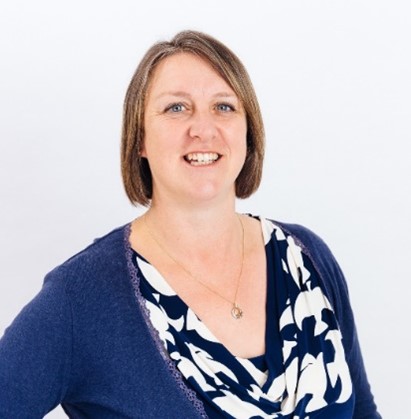
Jane Myers is a qualified Performance Coach, Facilitator and Trainer, with a background in psychology, and over 25 years’ experience in the field. Jane has a niche in understanding how individuals process information and how to maximise this for personal development and learning. Jane has worked with individuals and teams in the Oxford Diocese for over 10 years, as well as a range of organisations, local government, education sectors and corporate clients. Jane creates thinking space for the client using a range of tools and methods to reflect the needs of the individual. Jane is a dyslexia specialist, understanding and offering support to a range of neurodiverse conditions.
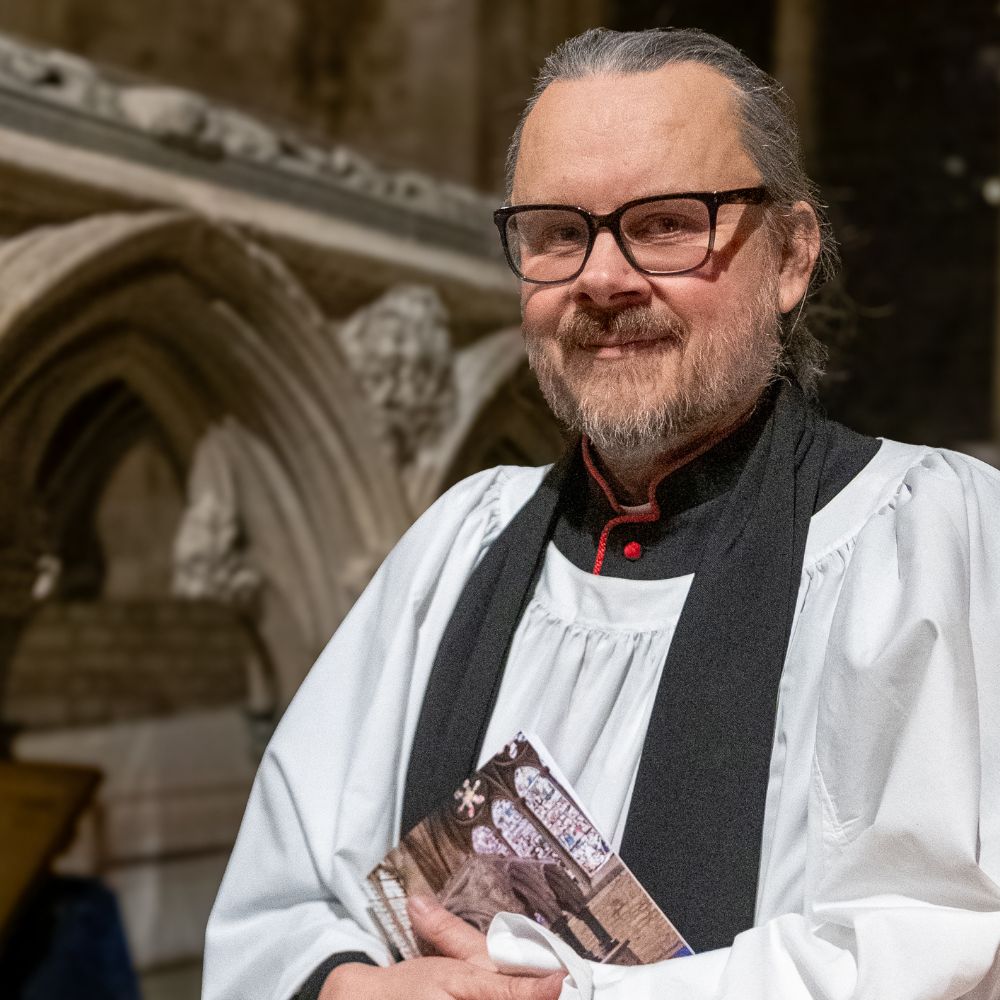
Mike Smith is Rector of the parish of Caversham Thameside and Mapledurham and Area Dean of Reading. He has parish experience in inner city, urban deprivation, suburban and rural ministry. Mike’s experience on a diocesan senior staff provided him with insight in overseeing and supporting clergy through transitions and change. Mike is interested is helping clergy and parishes discern God’s preferred and promised future, using his coaching qualification to help them identify their own challenges and the obstacles they need to overcome in order to achieve them.
Gill Lovell is a priest with 12 years parish ministry experience and 9 years experience as a diocesan consultant working with individuals, teams and benefices in a variety of contexts. Gill is a professionally accredited coach (ICF ACC), specialising in personal and professional development; wellbeing and resilience; and the management of change and transition. Gill was previously CMD Adviser for the Oxford Diocese and co-ordinator of the Ministry Accompaniment Network.

Charles Chadwick was ordained in this diocese in 1988 was trained as a work consultant in the 1990s. He spent more than 25 years as a parish priest serving in a range of settings and, prior to retirement, was the Parish Development Adviser for the Dorchester Archdeaconry for 10 years. He is particularly interested in enabling people to undergo transitions well, and to explore their roles and how they inhabit them. He also has much experience of the many aspects of rural ministry and would be pleased to accompany those serving in rural contexts.

Derek Lancaster is a Licensed Lay Minister and an experienced coach with a background in project management, change management and strategic development. He coached individuals and groups for over 15 years in senior management and consultancy roles in the civil service, local government and the BBC. He works part-time in parish ministry, having retired in 2022. Derek is interested in exploring the joys and challenges of parishes, vision and strategy development, welcoming the opportunity to provide a safe space to explore and help clients gain new perspectives, and to simply wonder about possibilities.

Fiona Elder is a qualified coach and mediator who has worked for over 20 years with organisations in the UK and Europe to build Leadership Capability and strengthen team working. She specialises in facilitating change and engagement by working with leaders to build robust, stakeholder networks through effective and sometimes difficult conversations. ( i.e. getting the people who need to do “stuff “ to work together! ) She has worked in Christian Youth Work for over 25 years, and was previously part of a church plant and so has experienced the tensions, challenges and opportunities in a wide variety of Christian families. Fiona is also an experienced Relationship Counsellor and has worked with couples who experience challenge and pressure from the impact of the roles one or both hold.

Nigel Hardcastle retired in the summer of 2012 after 40 years in the Anglican ministry having served in 5 different parishes – from Urban Priority Areas, through ethnically and socially mixed areas to leafy suburbs. He is now based in Tilehurst, Reading. Nigel has been a Diocesan Work Consultant (and then Ministry Accompanier) since 1997. He was also an associate trainer for the Regional Training Partnership Transitions in Ministry consultations. Nigel is interested in a wide range of areas that affect parish life – from routine reviews of ministry, parish strategy and tactics, to more specific work on problems and opportunities such as difficult relationships, looking for new understanding and ways forward, cultural change, and working with other cultures.
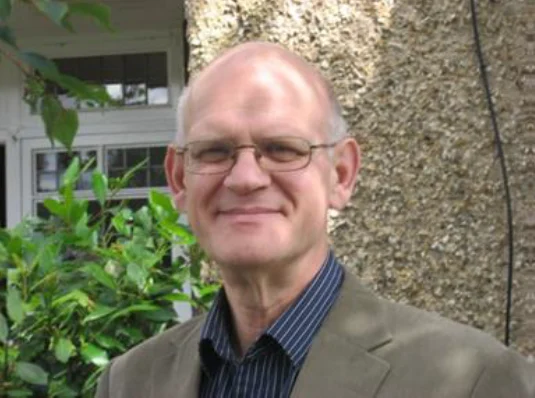
Tom Leach is an experienced Coach with more than 26 years in organisational development and training roles in the NHS and almost 10 years as a qualified coach-mentor. He has been a leader in a variety of organisations, and has experience of spearheading successful change initiatives. Tom helps leaders who are facing changes to figure out their top priorities. He also works with aspiring leaders on how to achieve their ambitions and become more confident.
His coaching style is engaging and practical, enabling people to explore options by examining different perspectives on complex situations, supporting leaders in working out their own solutions to difficult issues and in developing awareness of the rich opportunities for learning which surround them.
Diocesan Ministry Accompaniers
Our Diocesan Ministry Accompaniers fulfil dual roles, both as the key contacts for arranging Ministry Accompaniment, but also as experienced coaches and mentors in their fields, forming part of their roles.
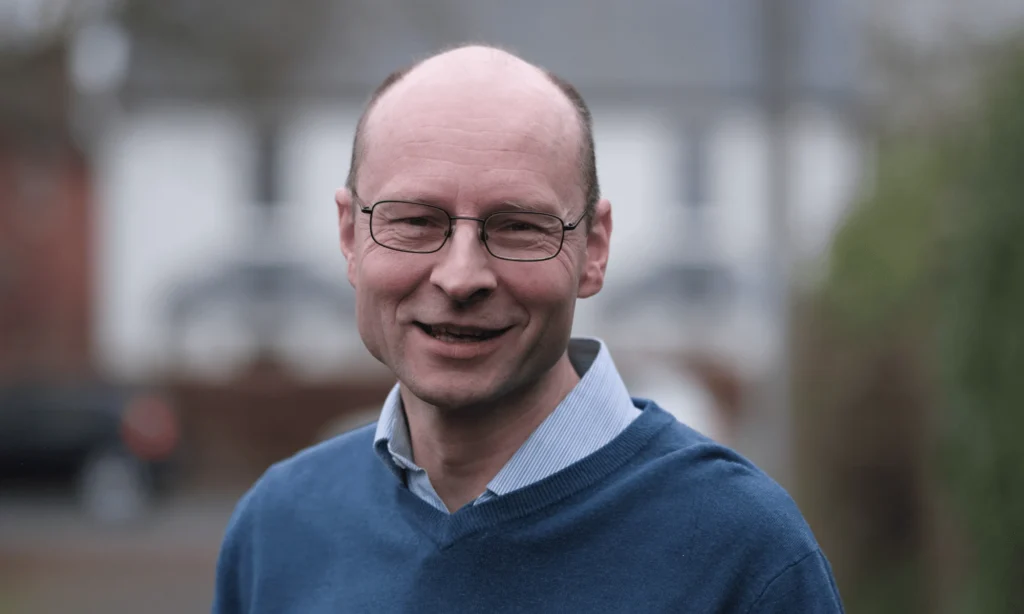
Rhodri Bowen is the Parish Development Adviser for Berkshire and Oxford Archdeaconries. He came to this role after a significant time in school leadership and, before that, church-based youth and children’s ministry. Rhodri is a skilled Ministry Accompanier with many years experience.
Contact Rhodri to explore what kind of ministry accompaniment might benefit you, your ministry and God’s mission in your community.
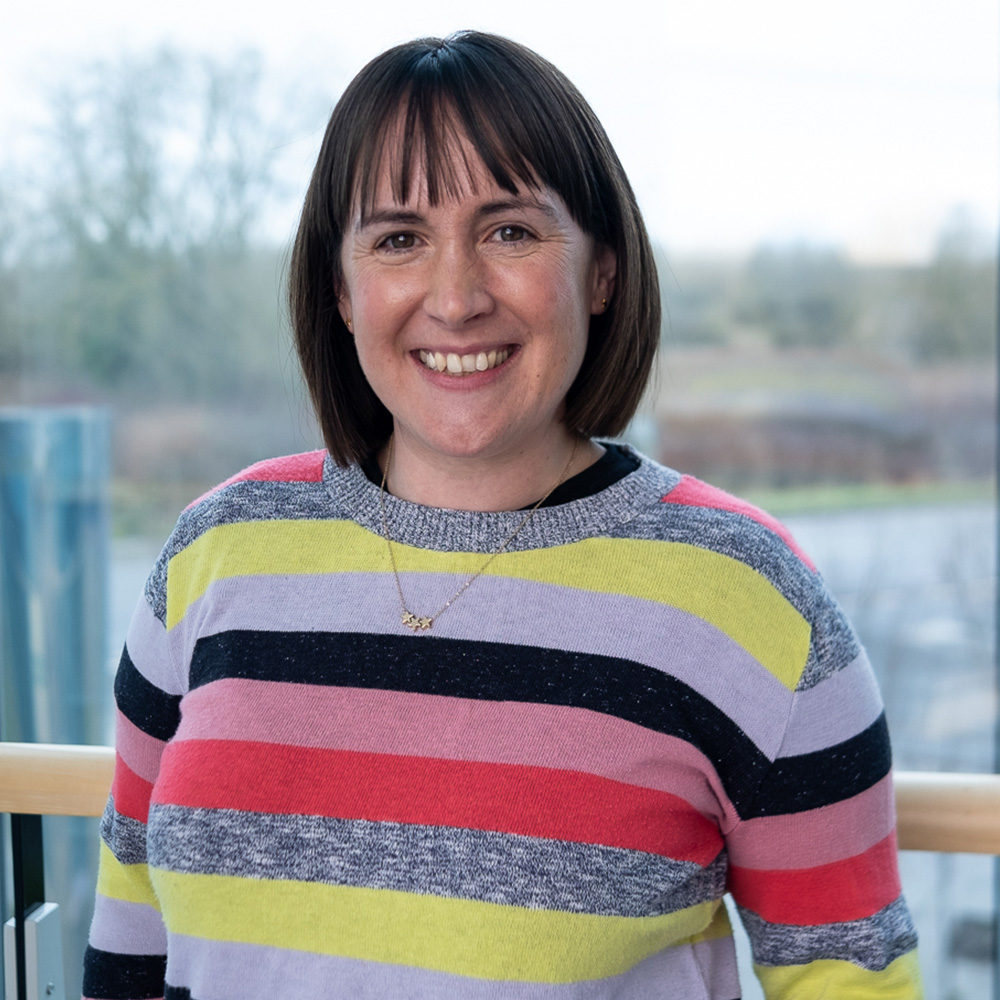
Anne Perry comes from an education background , most recently as an Assistant Headteacher and Special Educational Needs Coordinator, where she specialised in enabling staff and the school environment to adapt and better meet the needs of neurodivergent students.
Anne is now the Parish Development Adviser for the Dorchester Archdeaconry and having been an active part of a small rural church for the last 15 years, has a particular interest supporting and coaching clergy in the challenges and opportunities that rural ministry presents.

Asa Humphries is the Parish Development Adviser for Buckinghamshire Archdeaconry, and is a trained ACAS mediator. He previously served as a Parish Priest in Chelmsford and Salisbury Dioceses. Holding a town planning qualification and having long experience in volunteer youthwork, provides a particular knowledge of community development and engagement. Asa is available to clergy for support and direction, as well as a discussion on what sort of Ministry Accompaniment might help you.
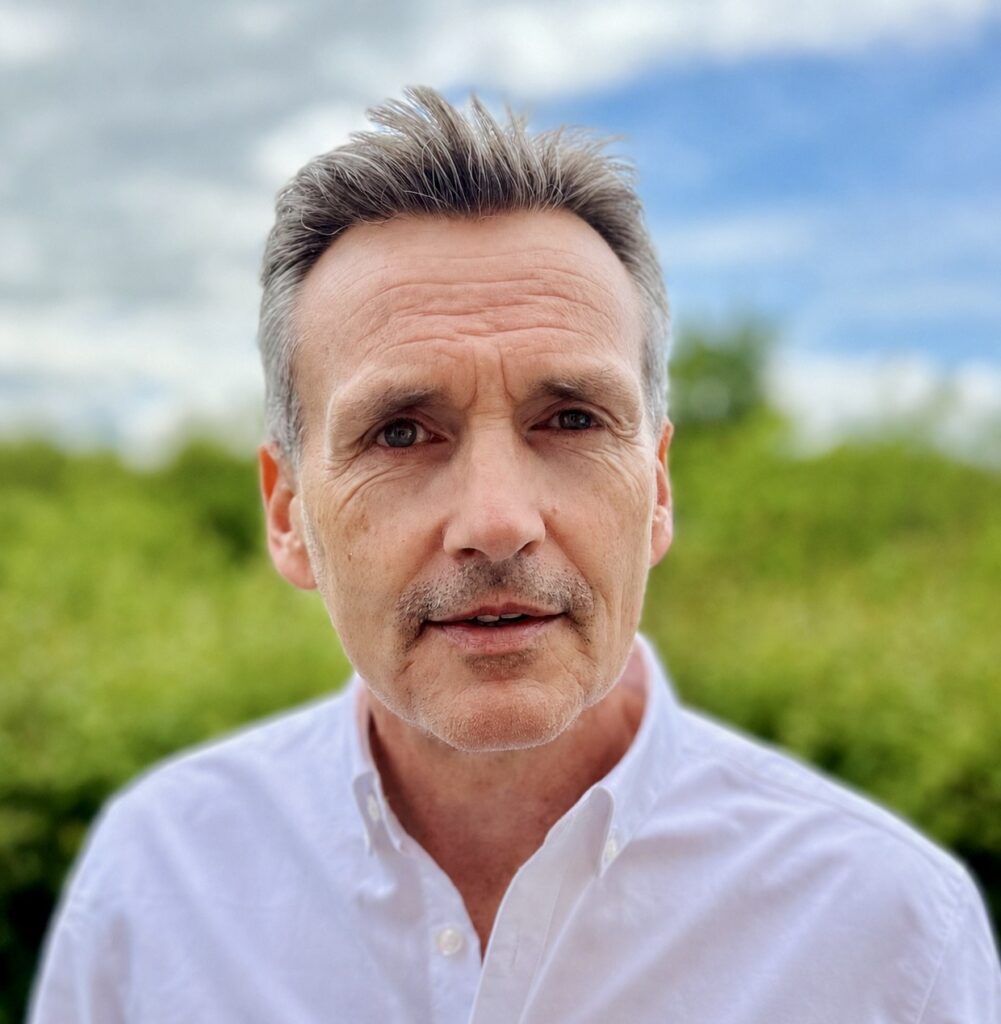
Pete Wheeler is CMD Adviser for the Oxford Diocese, having been Vicar for 10 years in a both challenging and wonderful estate in Aylesbury. Pete has coached and mentored pioneer clergy & curates, young adults, worship pastors and lay ministers. He has particular experience in growing new worshipping communities; appreciative models for change and transition; understanding the self; building healthy teams; theological reflective practice; growing and emerging leaders; discerning vision, purpose & values; and enabling and equipping all God’s people for mission.
Contact Pete for a discussion on how Ministry Accompaniment might help you in your ministry.
“fitting in another meeting on top of everything else felt like yet another distraction from ‘getting on with the ministry’ … after a couple of meetings the penny started to drop and something changed as I realised the real power and value of coaching … carefully chosen, well timed and penetrating questions are perfect for providing the very means and space I need to self-reflect and so continue to grow as a minister … rather than disempowering me with advice that I most likely quickly forget, ministry coaching on a live issue in my ministry empowers me to do the hard work of processing the people and situations affecting me and affected by me for myself and then take ownership over to do next.” (AD, Team Vicar)
“thank you for the time and space you allowed me to explore my ‘stuff’ … You helped me to see something in a new way, which, I’m sure, will have a huge impact on my life and ministry. To have someone listen, not give me answers, but ask insightfully good questions, reminds me again of the potential coaching has to help people to move forward in ministry. I felt much ‘lighter’ leaving the coaching session than when I came in, as if a weight had been lifted from me. Having a plan to move forward has given me hope and momentum. I just love this approach to helping as it respects me, is non-judgemental, challenging, supportive and future orientated.” (CG, Incumbent)
Ministry Accompaniment “provided a safe space for me to be able to reflect on those areas in which I felt I needed help to make health-giving changes. The work-life balance is one that I have struggles with my entire life and particularly in my current role … I can honestly say that through [Ministry Accompaniment] I have felt strengthened to make positive changes that have enabled be to flourish more fully. I am going forward with hope and energy.” (AP, School chaplain)
“I’ve been very blessed and enriched to have worked with ministry accompaniers and work consultants in every major role as a vicar and theological educator, missioner and bishop. I have learned a huge amount through being simply listened to and asked thoughtful questions as a regular part of ministry. I warmly commend the practice of ministry accompaniment to all clergy in the Diocese of Oxford.” (Bishop Stephen)
Top 5 Tips For Using A Ministry Accompanier
- Don’t Wait Until Something’s Wrong
Ministry Accompaniment isn’t a crisis service! Some of the best conversations happen when ministry is going great and you’re able to ask, ‘What next?’ or ‘Where is God going with this?’ - Consider What You Want To Get From It
Coaching, mentoring and workplace consultancy all offer different things. You don’t need a perfectly formed objective, but knowing what you want help with (or just help thinking about) is useful. - Find The Right Person
Chemistry matters. Different Accompaniers bring different experience, approaches and specialisms. It’s OK to want someone who fits you. If the approach isn’t helping, say so. Ministry Accompaniers are used to this, and don’t take it personally. So if the relationship isn’t the right fit, changing Accompanier is normal. Finding the right relationship is key. The CMD Adviser will help you with this process. - Bring The Real Stuff
The conversation gets real and useful when you talk about what’s actually swirling around your head, not what you think you ought to talk about. Don’t just talk about problems – use Ministry Accompaniment to explore possibilities, strengths, opportunities, self, ideas, time, people, weaknesses, hopes and ambitions… not just difficulties. - Expect To Do A Little Work (On Yourself)
A good Coach won’t simply tell you what to do (although that can form part of mentoring!). Expect questions, challenge, reflection and perhaps something to work on between conversations. That’s not a load of extra work – just reflection time.
To discuss how Ministry Accompanier might benefit you, contact your either the CMD Adviser or your Parish Development Adviser:
rhodri.bowen@oxford.anglican.org Rhodri Bowen
Parish Development Adviser (Berkshire & Oxford)
anne.perry@oxford.anglican.org Anne Perry
Parish Development Adviser (Dorchester) and Rural Church Lead
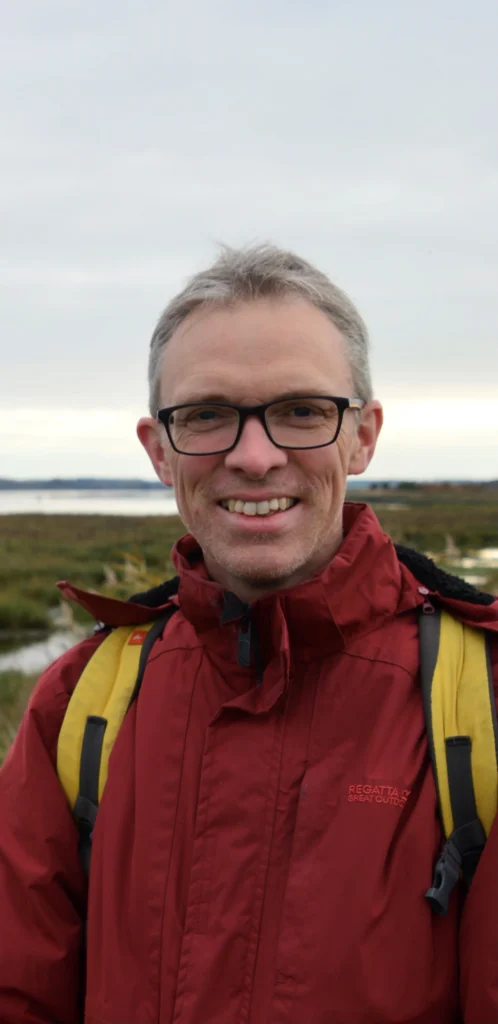 Asa.Humphreys@oxford.anglican.org
The Revd Asa Humphreys
Parish Development Adviser (Buckingham)
pete.wheeler@oxford.anglican.org Revd Pete Wheeler
CMD Adviser