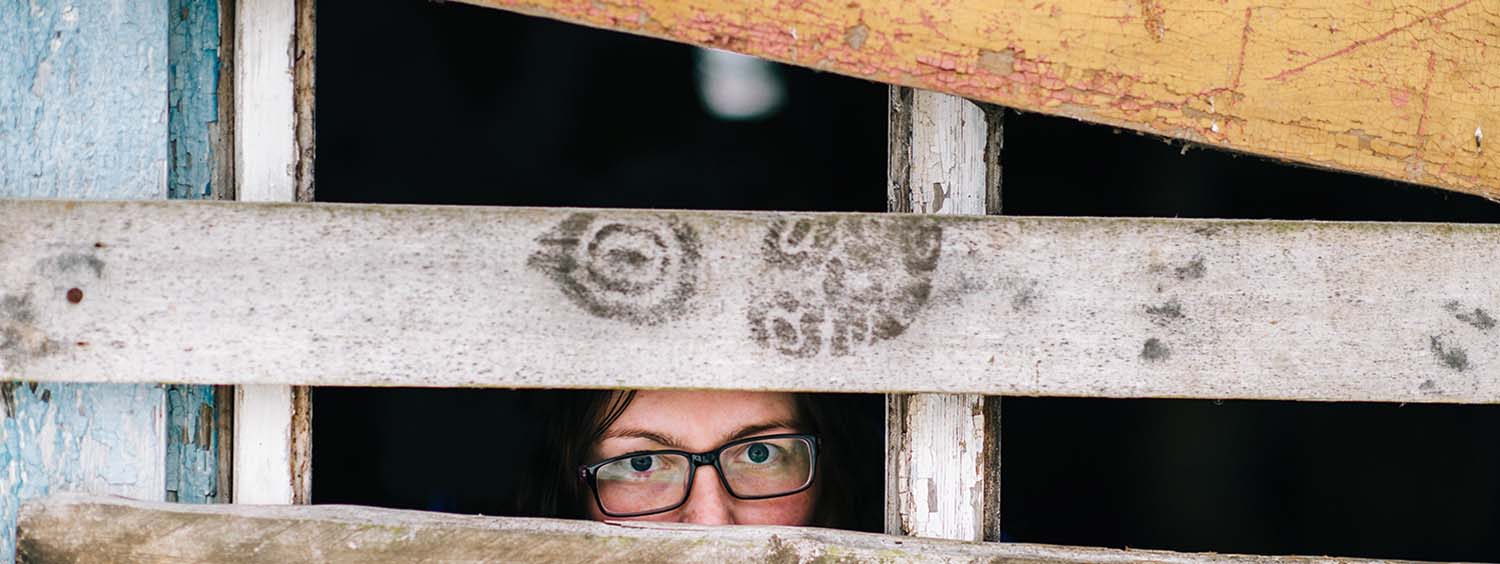
While many view slavery as a relic of the past, it remains a reality for millions of people today. Although the transatlantic slave trade has ended and slavery is illegal in every country, it continues to exist in modern forms, affecting people across the world, including in the UK. Modern slavery, trafficking, and exploitation is broader than what might first come to mind; survivors can be any gender and even children, and who are victims of labour exploitation, criminal exploitation (such as county lines or cannabis farming), domestic servitude, or sexual exploitation.
The Clewer Initiative share more about the nature of modern slavery, and highlights that today 50 million people are estimated to be in some form of modern slavery across the world, with an estimated 122,000 of these victims being in the UK. The Thames Valley has one of the highest reported rates of modern slavery in the UK, creating a pressing need for us all to answer the call to compassion and justice in response to modern slavery.
Many of our churches run groups and projects with people who may be vulnerable to or already entrapped in modern slavery, so it's important our congregations and our volunteers running community lunches, foodbanks, warm or cool spaces know the signs to look our for and what to do should we be concerned. All of us can also be praying for the end to slavery, in the UK and worldwide, and for the victims and survivors who've been exploited.
- The Clewer Initiative and Hope for Justice share information and resources on how to spot the signs of modern slavery.
- The Clewer Initiative provides training and educational resources:
- Downloadable posters for raising awareness of modern slavery, with versions for seasonal workers, homelessness, county lines, foodbanks, and more.
- Children in the Shadows - a six-week course for churches and individuals, focusing on child exploitation in the UK and beyond.
- Waiting in the Wilderness - a six-week course, drawing on themes from Luke 13 and encourages individuals and churches to respond to modern slavery in their communities.
- County Lines Lesson Plans for schools and youth leaders.
- Modern Slavery in Rural Areas toolkit, designed for people living and working in rural areas.
- The Farm Work Welfare app provides farmers and pickers with the information they need to avoid criminal organisations and navigate the challenges of seasonal employment. It contains lots of practical information and signposting on existing protections and the rights of workers.
- Hope for Justice have training and resources:
- A range of online courses, on keeping children safe in a digital world, modern slavery in the UK, and more.
- Small group video course on modern slavery awareness.
- Watch this conversation between IJM and Tearfund about how trafficking and the climate crisis are inherently linked.
Run an Anti-Slavery Day event (annually on 18 October)
- Anti-Slavery Day Church Resource - raise awareness of modern slavery in your church and help to end modern slavery. Use the resources from The Clewer Initiative or Hope for Justice to engage in activities with your whole church or small group, including resources for prayer and preaching.
- Organise an awareness event in partnership with a local or national charity speaker; display art work highlighting the issues; or launch a small group course in your parish. Examples from the diocese:
- The Mother's Union knitted a giant chain which toured churches in the diocese and was displayed alongside information about modern slavery.
- All Saints Farringdon ran a Prayer for Justice event as part of the IJM and 24-7 Prayer for Justice Tour. IJM provided them with editable scripts and presentation, as well as material resources to enable the evening which focused on awareness of and prayer for situations of online sexual abuse and exploitation of children in the Phillipines, where content is viewed by perpetrators globally.
- Seven churches across the diocese and a whole deanery joined in with the International Day of Prayer and Awareness Against Human Trafficking on St Bakhita's Day (8 Feb) by ringing their bells and praying against modern slavery.
- Anti-Slavery Initiative Oxford (ASIOX) — A Christian group based in Oxfordshire who have a passion to see human slavery and trafficking ended.
- Oxford Anti-Slavery Network (OxASN) — Partnership of Thames Valley Police and local authorities and organisations, including the Diocese of Oxford.
- The Clewer Initiative is enabling Church of England dioceses and wider Church networks to develop strategies to detect modern slavery in their communities and help provide victim support and care. It provides training and educational resources such as lesson plans and undertakes project initiatives such as the Safe Car Wash app and The Farm Work Welfare app.
- IJM work with police and local authorities to protect people from slavery, human trafficking and violence, and have resources for churches to get support this work.
- Hope for Justice is fighting human trafficking and helping victims and survivors of modern slavery around the world by identifying victims, supporting survivors, and preventing exploitation.
Pray
Lord of creation, we thank you
for all who are working to combat modern slavery:
for governments and agencies,
for Church and other faith leaders,
for charities and individuals.
Help us to be part of love’s movement
to work for a world where human beings are valued,
free to come and go, where no one is enslaved,
no one used against their will for another’s pleasure or need.
Amen.
Source: Clewer Initiative
Download Hope for Justice's Prayer & Discussion Guide for small groups, and receive live prayer requests for children and adults impacted by exploitation.
- Buy slavery free: Consider how you and your church can buy and source products and services that avoid supply chains with hidden slavery involved. One simply place to start is buying Fairtrade, ethical, and secondhand.
- Invite a Hope for Justice speaker to share with your church about their work to combat human trafficking and child exploitation, and how to support this work.
- For teachers and youth leaders: use The Clewer Initiatives' County Lines resources to raise awareness of country lines with young people in years 7-9.
- Join or start an Abolition Group to raise awareness, pray, and take action against modern slavery.
- Run Journeys with your church small group to learn more and be inspired to fight against modern slavery. This includes videos with moving stories based on true accounts of survivors.
- Host survivors of modern slavery for a fixed period with Hope at Home. They are the only hosting scheme of its kind in the UK, and offer training and support for hosts who have a spare bedroom and an attitude of hospitality for marginalised people.
Report suspected slavery
- Modern Slavery Helpline — 08000 121 700
- Thames Valley Police can be contacted on 101 (for non-emergency scenarios) or 999 (in emergencies), or on their website
- Crimestoppers take anonymous information from members of the public which is then passed on to the police — 0800 555 111
- The Safe Car Wash app enables anyone who uses hand car washes to identify and report slavery.
- The Farm Work Welfare app enables workers, employers, or concerned individuals to flag up suspicions of modern slavery or labor abuse, and seek immediate help.